The Unrivaled offseason league was designed to strip basketball down to its most essential elements: skill, decision-making, toughness, and chemistry. In the 3-on-3 format, there is no hiding weak links, no easing into games, and no luxury of prolonged adjustment. Every possession matters, every matchup is exposed, and every roster decision carries amplified consequences. As the league approaches the 2026 season, those truths feel more pronounced than ever.
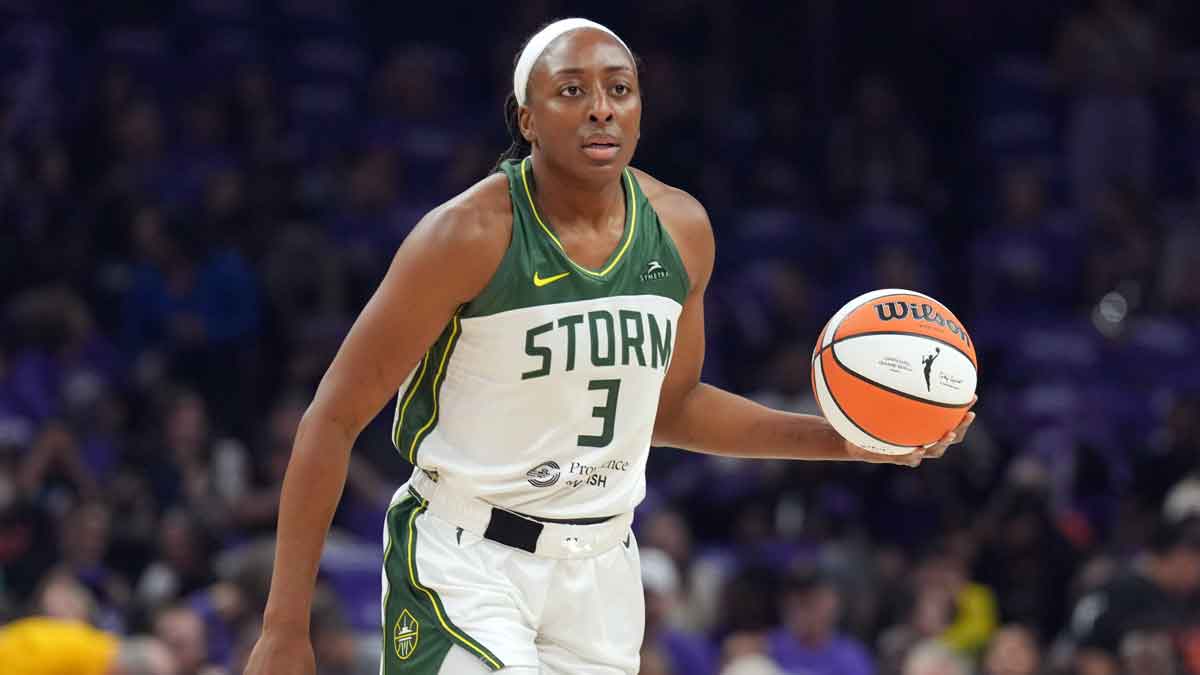
The competitive order entering this year reflects not only talent but adaptability. The absence of Napheesa Collier, the league’s reigning MVP and most consistent two-way force, has reshaped expectations across the board. Her injury removes a gravitational center from the league, forcing teams to redefine leadership, recalibrate offensive structure, and reimagine defensive anchors. In that vacuum, opportunity has emerged. Teams that once hovered in contention now stand at the forefront, while others face the challenge of reinvention under pressure.
Let's take a look at the eight Unrivaled teams entering the 2026 season, power ranking them not only by name recognition or past success, but by how well each roster is positioned to thrive in the league’s unforgiving environment.
1. Rose BC
Rose BC enters the 2026 season as the league’s standard-bearer. Their placement at the top is rooted not in theoretical upside but in demonstrated execution. In a league where chaos often dictates outcomes, Rose has mastered control. They understand who they are, how they win, and when to press advantages.
Chelsea Gray remains the intellectual core of the team. Few players in the league possess her ability to manage tempo, especially in high-leverage moments. In 3-on-3, where rushed decisions are often punished immediately, Gray’s patience becomes a weapon. She manipulates defenders with subtle shifts, keeps teammates engaged, and rarely forces low-percentage outcomes. Kahleah Copper complements that steadiness with force. Her aggressive downhill attacks collapse defenses, creating openings even when spacing tightens.
The supporting cast reinforces Rose’s identity. Lexie Hull brings defensive discipline and reliable shooting, while Azurá Stevens provides size without sacrificing mobility. Sug Sutton injects speed and energy, particularly valuable when games stagnate. Every player fits into a clearly defined role, and that clarity translates into consistency.
Rose does not overwhelm opponents with sheer talent. Instead, they suffocate mistakes, capitalize on inefficiencies, and thrive in close contests. Entering 2026, they are not just champions in name but in approach, making them the team others must measure themselves against.
2. Breeze BC
Breeze BC sits second, representing both the league’s next chapter and a legitimate present-day threat. Their rise reflects a growing belief that youth, when paired with elite skill and confidence, can challenge experience sooner than expected.
Paige Bueckers is the engine that drives everything Breeze does. Her understanding of space and timing makes her uniquely suited for 3-on-3 basketball. She reads defenses almost instantly, turning split-second advantages into clean looks. More importantly, she elevates those around her, drawing attention that frees teammates to operate decisively rather than reactively.
Rickea Jackson’s athletic scoring adds physicality, while Dominique Malonga’s size and finishing ability give Breeze a vertical element that disrupts switching defenses. Cameron Brink’s instincts on the defensive end allow Breeze to gamble more aggressively, knowing there is protection behind mistakes. Aari McDonald’s speed introduces chaos, forcing opponents into rushed decisions.
What keeps Breeze just below the top spot is experience. Late-game execution, defensive communication, and possession management are learned through repetition. Breeze has the talent to beat anyone, but not yet the polish to do so consistently. Still, their trajectory suggests that the gap between promise and dominance is narrowing rapidly.
3. Laces BC
Laces BC occupies the third position, a testament to how valuable structure and balance are in Unrivaled. While they may lack the narrative momentum of Breeze or the championship aura of Rose, they remain one of the league’s most dependable teams.
Alyssa Thomas anchors Laces with physicality and relentless competitiveness. Her ability to initiate offense, rebound through traffic, and defend across positions gives Laces an edge in possession battles. Jackie Young’s scoring versatility keeps defenses stretched, while Jordin Canada and Brittney Sykes apply constant pressure, disrupting rhythm before plays develop.
The presence of Maddy Siegrist and Naz Hillmon adds dimension. Siegrist’s shooting forces defensive respect, opening driving lanes, while Hillmon’s toughness ensures Laces does not concede interior space easily. This roster is built to avoid extremes, as it's neither overly dependent on one player nor vulnerable to a single matchup.
Laces’ placement reflects their reliability. They will rarely be outclassed, but they may struggle to create separation against teams with higher offensive ceilings. In a league where volatility often defines standings, Laces’ steadiness remains a powerful asset.
4. Mist BC
Mist BC enters the season fourth, embodying the tension between immense talent and collective discipline. Few teams can match their individual skill level, but sustained dominance has proven elusive.
Breanna Stewart remains one of the most versatile players in the world, capable of reshaping games through scoring, passing, and defense. Arike Ogunbowale’s shot-making can turn deficits into leads within moments, while Veronica Burton contributes defensive pressure and connective play. Li Yueru’s size provides a physical option that alters defensive schemes.
Mist’s challenge lies in synchronization. When the ball moves freely and defensive responsibilities are honored, they look nearly unstoppable. When possessions become isolated and rushed, efficiency drops sharply. In 3-on-3, the margin for error is razor-thin, and Mist’s tendency toward individual solutions keeps them just outside the league’s top tier.
5. Vinyl BC
Vinyl BC slots fifth, defined by strength, experience, and inconsistency. Their roster is imposing, yet execution has fluctuated.
Rhyne Howard and Courtney Williams provide multi-level scoring, capable of punishing mismatches. Erica Wheeler’s composure steadies late-game moments, while Dearica Hamby’s relentless energy creates second chances. Brittney Griner’s presence alone reshapes offensive and defensive priorities, forcing opponents to adjust.
But Vinyl’s reliance on individual brilliance often undermines cohesion. Ball movement stagnates, defensive rotations lag, and momentum swings quickly. When they commit to team play, they can overwhelm opponents. When they don’t, they fall behind just as fast. That volatility defines their middle-tier position.
6. Phantom BC
Phantom BC enters the season sixth, still attempting to translate its talent level into an identity. The roster features proven professionals, but cohesion remains elusive.
Kelsey Plum’s scoring instincts remain elite, and Natasha Cloud brings leadership and defensive grit. Aliyah Boston provides interior strength, while Tiffany Hayes' abilities create matchup challenges, and Dana Evans adds shot creation under pressure.
Despite these strengths, Phantom struggles with spacing and defensive consistency. They often flash potential, only to lose rhythm through miscommunication. Until alignment replaces fragmentation, Phantom remains capable but unreliable.
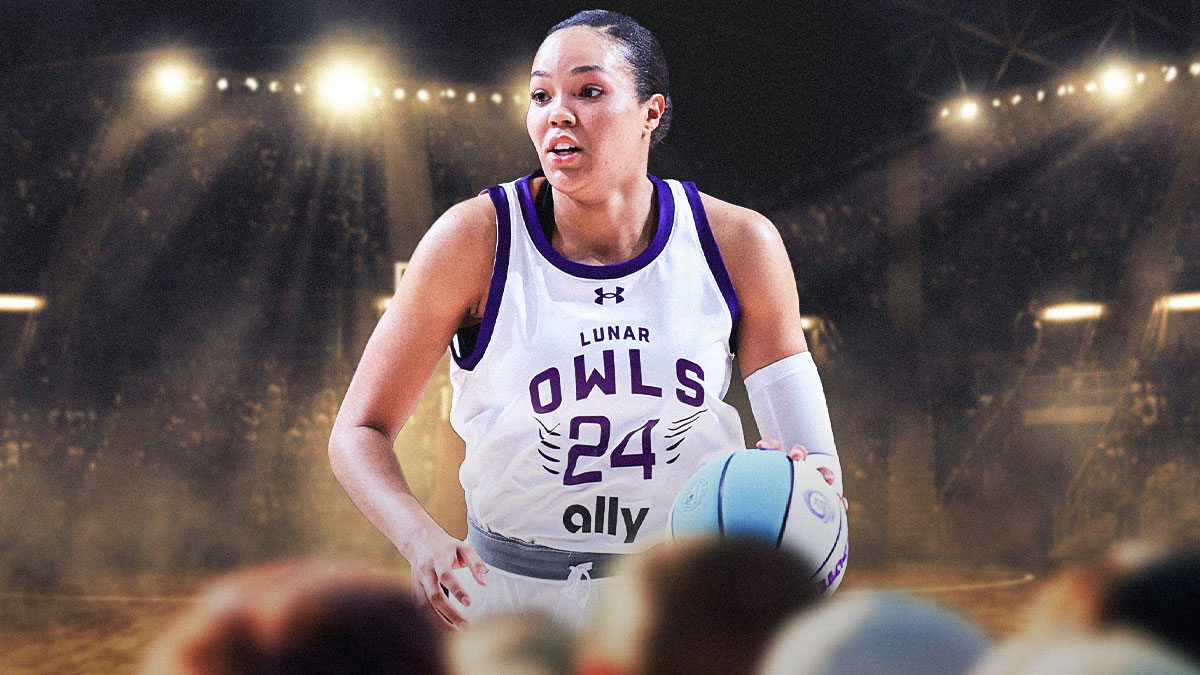
7. Lunar Owls BC
Seventh place belongs to Lunar Owls BC, a dramatic shift driven by circumstance rather than design. The absence of Collier removes both their primary scorer and defensive anchor, forcing a complete redefinition.
Skylar Diggins and Marina Mabrey assume leadership responsibilities, bringing creativity and competitiveness. Aaliyah Edwards adds athleticism, while Rebecca Allen and Rachel Banham provide perimeter shooting, and Temi Fagbenle fills an essential interior role.
The Owls remain competitive, but without a singular stabilizing force, mistakes carry greater weight. Their success will depend on collective discipline, a difficult adjustment in such a compressed format.
8. Hive BC
At the bottom sits Hive BC, a team rich in talent but with questionable levels of cohesion, considering they make up a new squad. Offensive firepower is evident, but clarity on whether these players can play together remains elusive.
Kelsey Mitchell’s scoring, Sonia Citron’s efficiency, and Ezi Magbegor’s defensive presence form a strong foundation, however. Natisha Hiedeman’s shooting and the youthful energy of Saniya Rivers and Monique Billings offer additional tools.
Hive’s issue could be cohesion. Until roles solidify and accountability improves, Hive remains defined more by promise than production.
The 2026 Unrivaled season begins amid transformation. With the league’s most dominant figure sidelined, hierarchy is no longer dictated by inevitability but by execution. Rose BC stands as the model of clarity and control, Breeze BC signals the future’s arrival, and Laces BC offers dependable excellence. Mist and Vinyl balance brilliance with volatility, while Phantom, Lunar Owls, and Hive navigate paths toward cohesion.
In a league where every possession reveals truth, success will belong to teams that embrace discipline, adaptability, and collective purpose. The 2026 season will not simply crown a champion — it will redefine what power looks like in Unrivaled.