At some point, losing seasons stop being a phase and start becoming an identity problem. For the Tennessee Titans, the 2025 NFL season crossed that line. Another 3-14 finish, another coaching change, and another year spent watching the playoffs from the outside forced the franchise into a familiar but uncomfortable place. This is a rebuild that can no longer afford half-measures. The silver lining is that Tennessee may finally have its quarterback. According to the PFF mock draft simulator, the Titans’ 2026 draft strategy reflects a franchise that understands the assignment. They must build aggressively around Cam Ward, or risk wasting the one thing that actually went kinda right.
Season recap
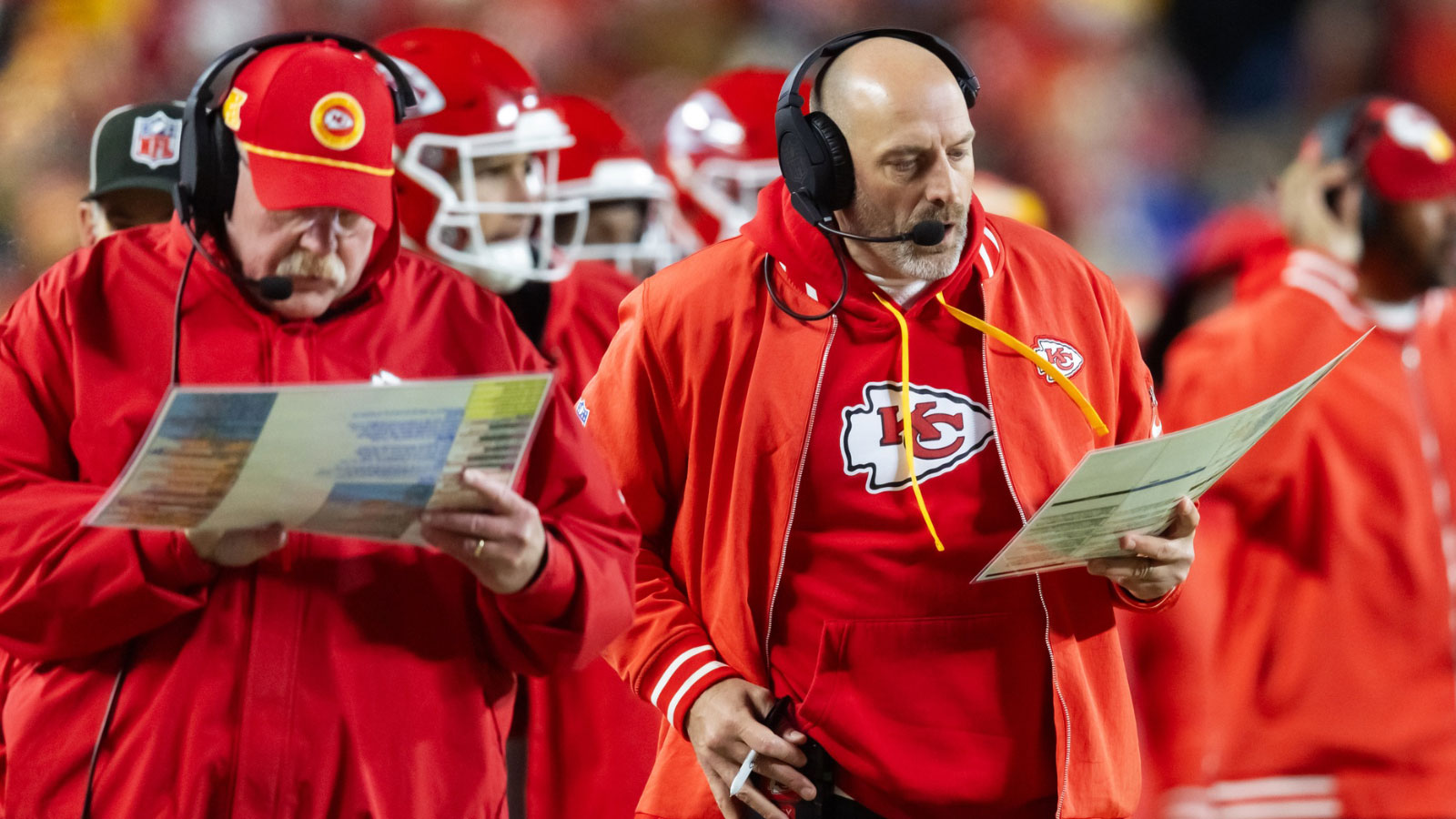
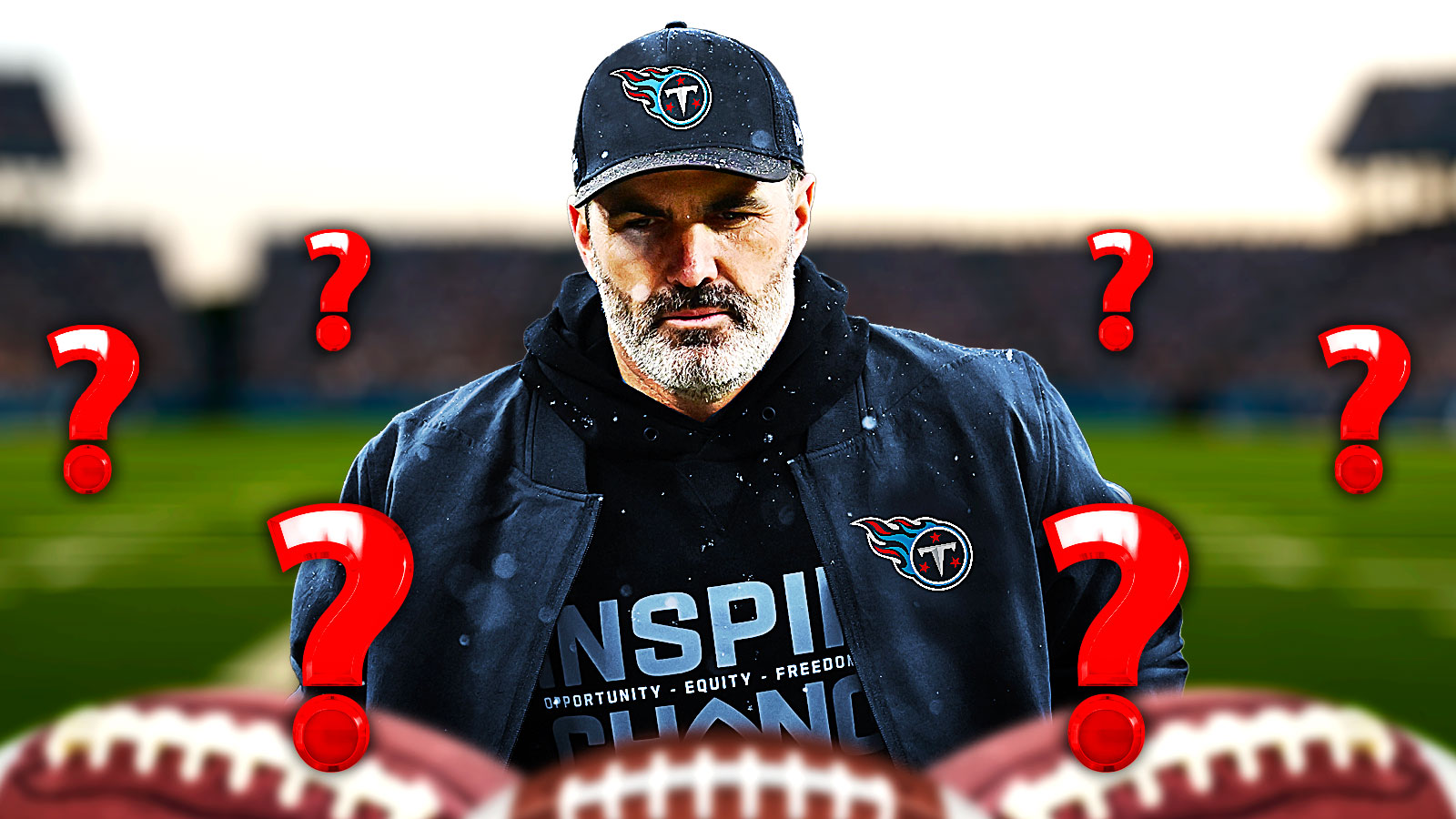
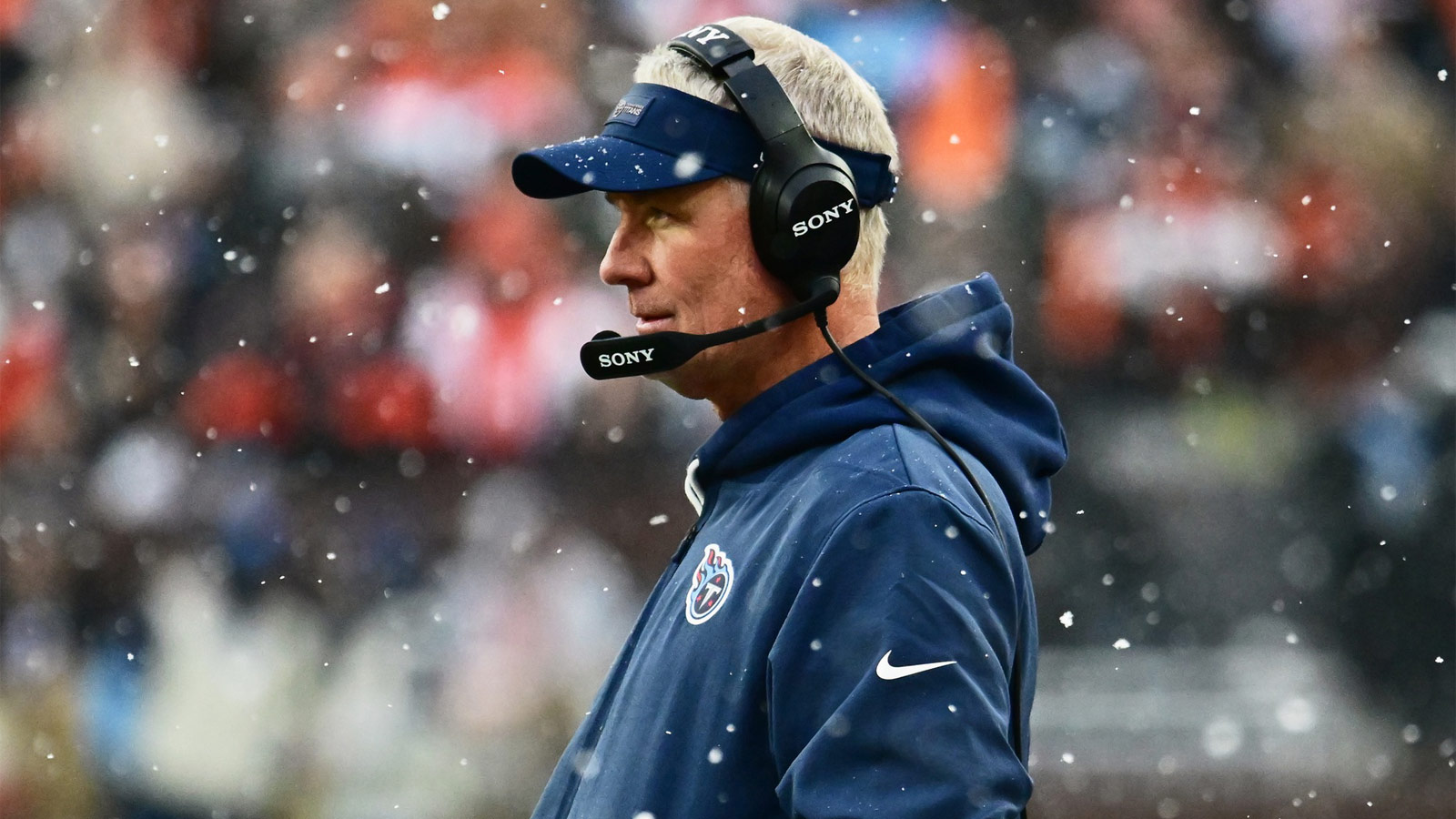
The Titans’ 2025 season unfolded like a rerun no one asked for. Tennessee finished 3-14 for the second straight year. It marking their fourth consecutive losing campaign and sealed playoff elimination by Week 13. The team stumbled out of the gate with a 1–11 start. That prompted the firing of head coach Brian Callahan in October after a 1-5 opening stretch. Veteran coordinator Mike McCoy stepped in as interim head coach. He was tasked less with saving the season than with stabilizing the evaluation process.
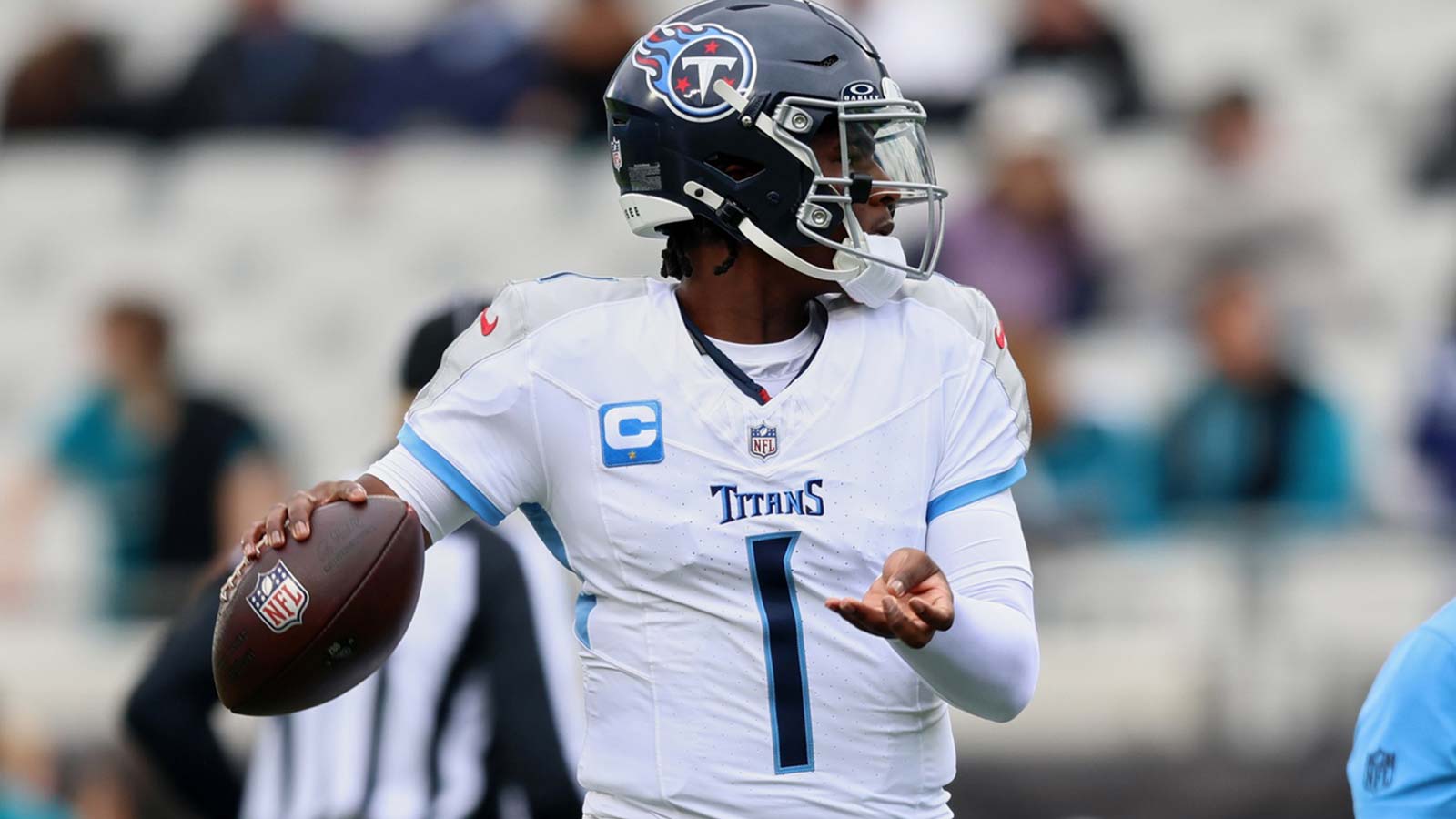
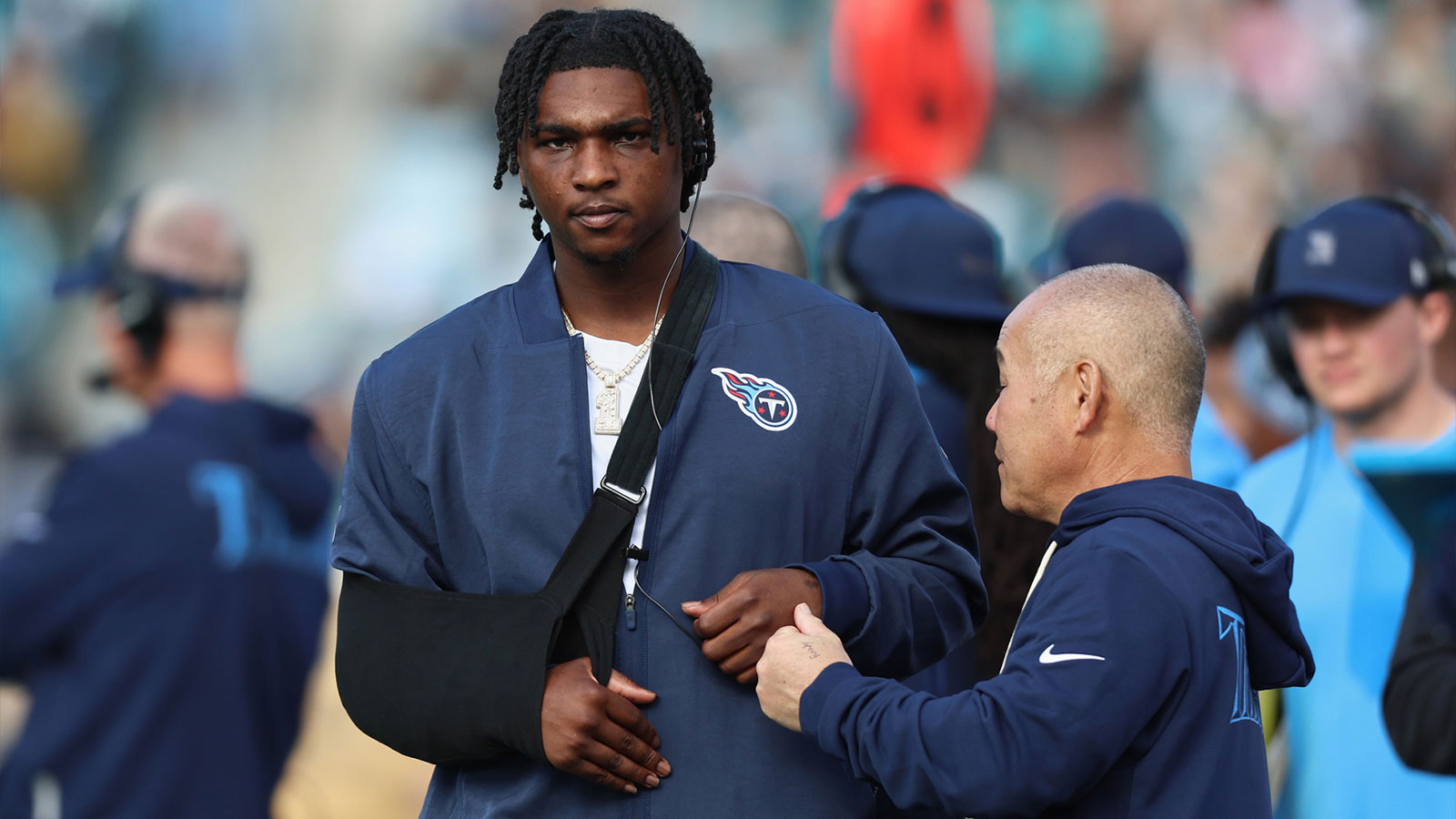
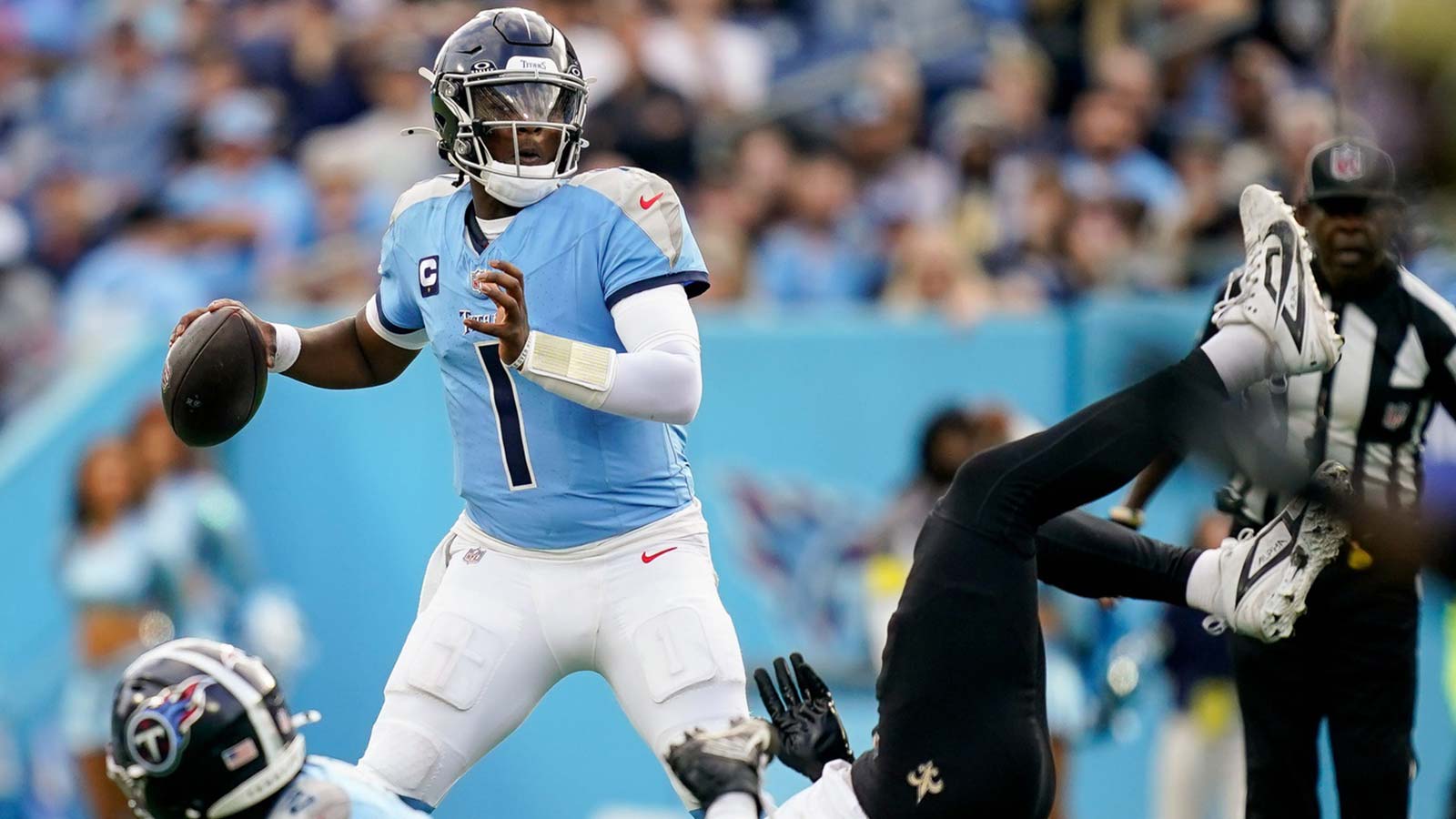
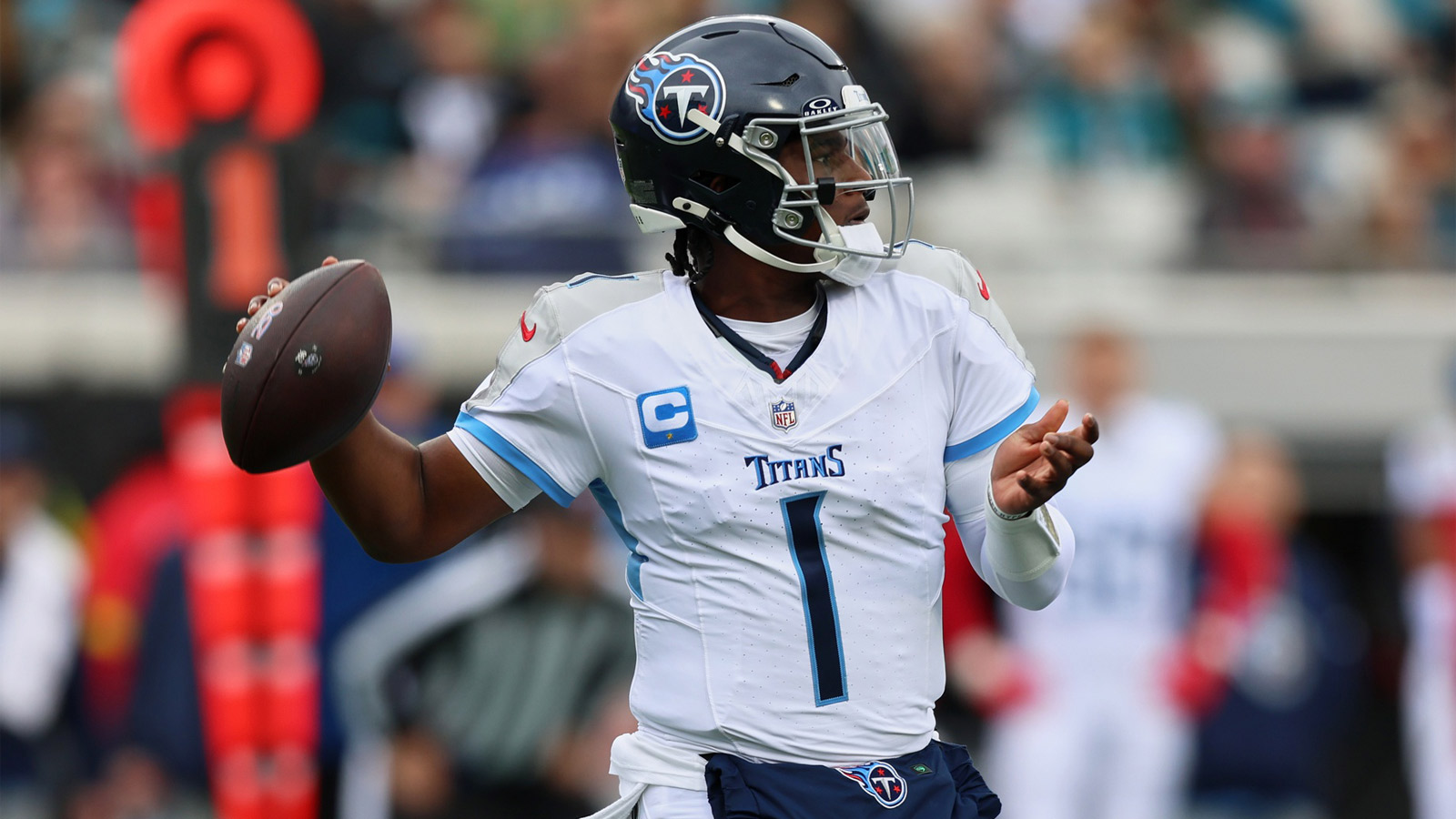
Despite the ugly record, the year was not a total waste. Cam Ward, the first overall pick in the 2025 NFL Draft, showed legitimate promise under difficult circumstances. Playing behind a shaky offensive line and throwing to a limited receiving corps, Ward still managed to protect the football at a historic rate. He did set a franchise record for lowest interception percentage in a season. More importantly, he looked increasingly comfortable as the year wore on. Ward also delivered Tennessee’s best offensive stretches in the final weeks. The losses piled up, but clarity emerged: the Titans have a quarterback worth building around.
Draft needs
Once a franchise identifies its quarterback, everything else becomes about acceleration, or obstruction. For Tennessee, the 2026 NFL Draft must be about removing obstacles from Ward’s path to development. That kinda starts and ends with the pass-catching group. The Titans’ wide receiver room lacked explosiveness, reliability, and matchup stress throughout 2025. They allowed defenses to compress the field and dare Ward to beat tight windows. If your best pass catcher tallied just 560 yards on the season (Chig Okonkwo), that's a massive red flag.
The offensive line also remains a concern. Sure, the interior held up at times. However, inconsistency in protection limited downfield concepts and forced Ward into conservative decisions. Adding skill talent without improving protection would be short-sighted. That said, so would ignoring the lack of playmakers who can actually win one-on-one.
Defensively, the Titans still need help. That's particularly true at edge rusher and cornerback. This mock draft is all about making a statement, though. Tennessee is choosing offense first, urgency second, and aesthetics last. The goal is not balance. It's survival and growth for their quarterback.
Here we'll try to look at and discuss the Titans' 3-round mock draft based on the PFF 2026 NFL mock draft simulator.
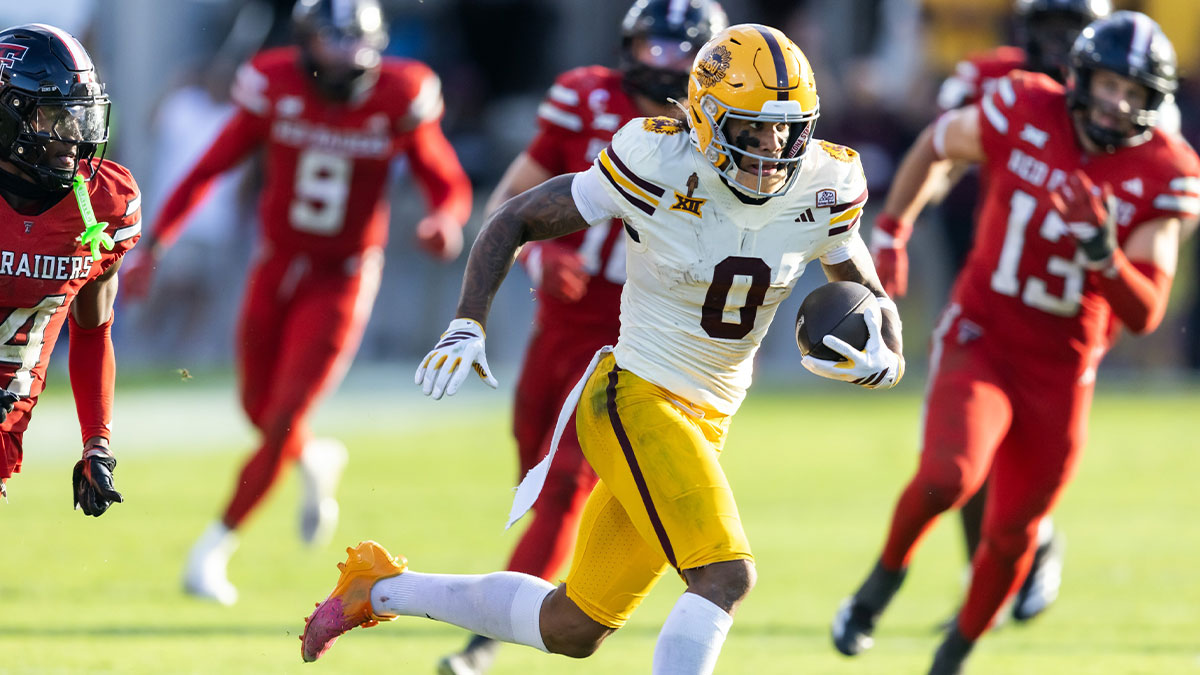
Round 1, pick 4: WR Jordyn Tyson, Arizona State
If you want to know how serious the Titans are about helping Ward, look no further than this pick. Jordyn Tyson gives Tennessee a versatile, competitive playmaker. He can align inside or outside and win in multiple ways. Yes, he’s not physically imposing by NFL standards. That said, Tyson plays bigger than his frame. He can routinely finish contested catches and hold up as a blocker.
His route running shines in the intermediate area. That's where he creates separation with sharp breaks and physicality. Drops showed up on tape the past couple of seasons. His release package against press coverage remains a work in progress. Still, those are coachable issues. What isn’t teachable is his toughness and football temperament. Tyson may not be a finished WR1 on Day One, but he immediately raises the floor of the Titans’ passing offense.
Round 2, pick 35: WR Elijah Sarratt, Indiana
If Tyson is the technician, Elijah Sarratt is the bully. Sarratt profiles as a true X receiver who thrives on contact and contested catches. He doesn’t separate easily, and he likely never will. However, that’s not his game. He’s built to win through defenders, not around them.
For a young quarterback, that matters. Sarratt gives Ward a receiver he can trust on third downs, in the red zone, and when the play breaks down. His competitiveness as a blocker also fits the Titans’ identity. Drafting Sarratt is a bet on reliability and mentality over raw efficiency. It's a bet that makes sense for an offense still finding its footing.
Round 3, pick 66: WR Ja'Kobi Lane, USC
Yes, it’s another wide receiver. That is entirely the point, though. Ja’Kobi Lane brings length, body control, and a massive catch radius to the room. He excels in contested situations, particularly near the goal line. That's where his ability to track the ball and shield defenders turns fades into legitimate weapons.
Lane’s separation issues are real. NFL corners will test his ability to win without leaning on subtle push-offs. As a third-round pick, however, Lane’s role is clear: situational dominance. He gives Tennessee a red-zone specialist and a boundary target who complements Tyson’s versatility and Sarratt’s physicality. Suddenly, Ward has options. That changes everything.
Sending a message
This mock draft may raise eyebrows for its singular focus in the early rounds. Still, it sends a necessary message. The Titans are done pretending they can evaluate a quarterback without giving him help. Three wide receivers in the first three rounds represents commitment, not excess. If Cam Ward is going to succeed, Tennessee is determined not to be the reason he fails.