The Tampa Bay Buccaneers enter the 2026 offseason in an uncomfortable but familiar place. They are competitive enough to matter, yet flawed enough to miss January. The post–Tom Brady years were always going to test the organization’s patience and vision. 2025 reinforced that reality. Tampa Bay didn’t collapse, didn’t bottom out, and didn’t tank. It also didn’t quite have the answers it needed when the margins tightened. That’s what makes this three-round projection from the PFF mock draft simulator so revealing. It’s not a swing-for-the-fences class. It’s aimed at fortifying the defense, adding structure on offense, and giving the next quarterback a fighting chance.
Season recap
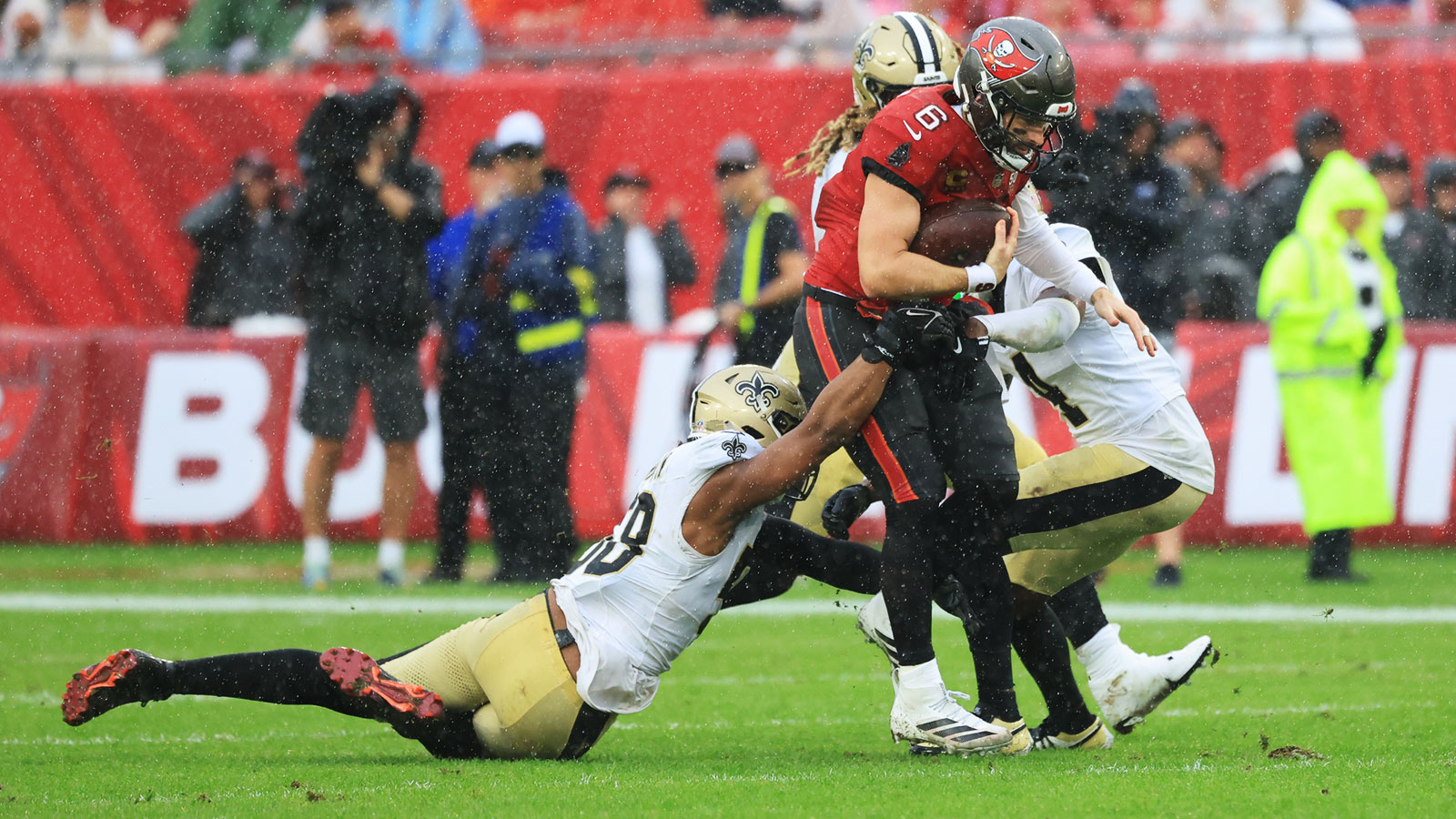
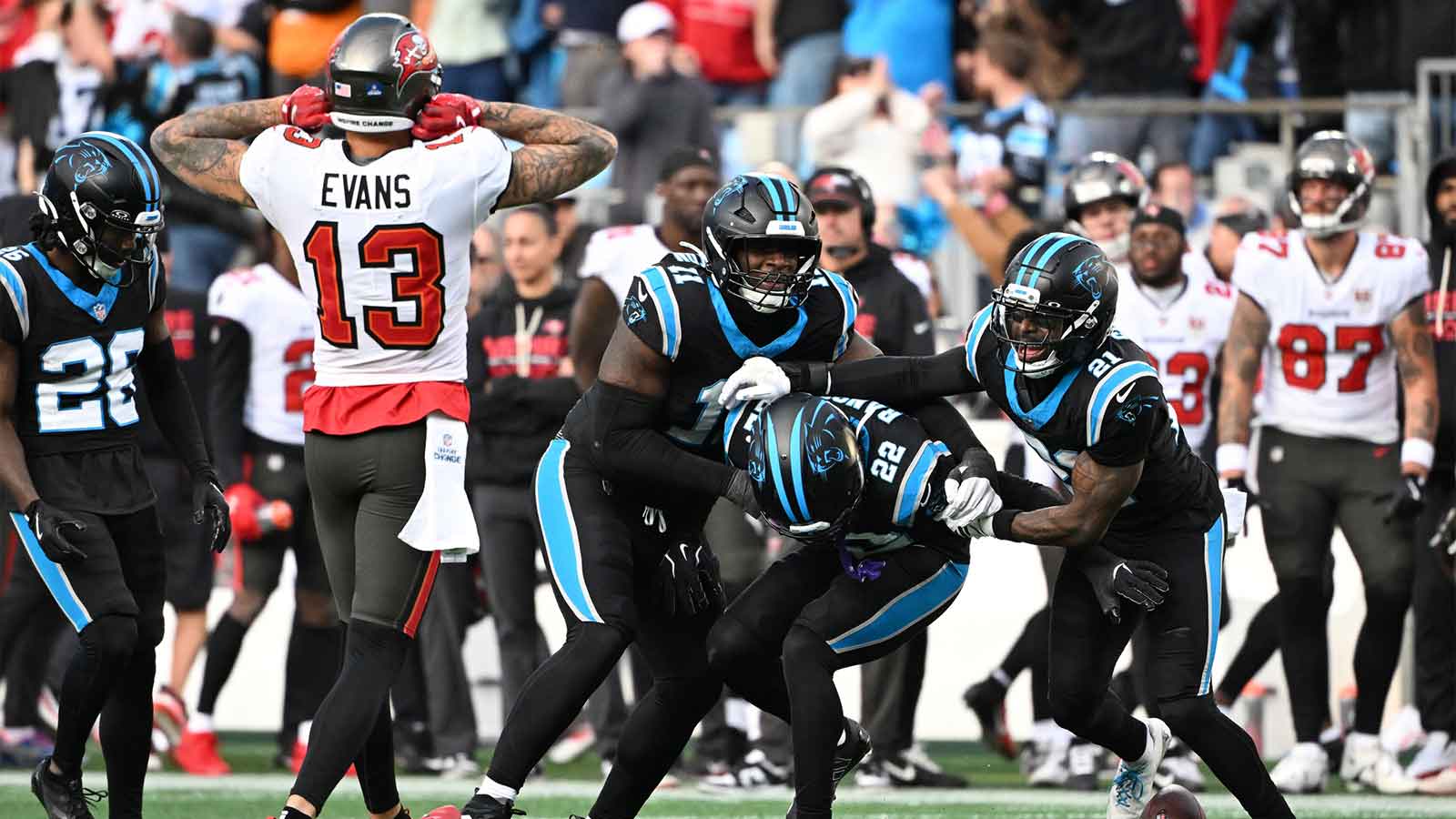
The Buccaneers finished the 2025 campaign at 8-9. They narrowly missed the playoffs despite staying in the NFC South race until the final week. Tampa Bay looked like a division contender early. They raced to a 6-2 record before the bye week, only to unravel down the stretch by going 2-7 afterward. Offensive inconsistency and a passing game that never fully stabilized proved costly as the season wore on. That shrank the margin for error with each missed opportunity.
The defense quietly kept the Buccaneers competitive through long stretches. However, stalled drives, red-zone failures, and late-game breakdowns repeatedly flipped winnable games. When the dust settled, identical records with the Panthers and Falcons left Tampa Bay on the outside looking in via tiebreakers. It was a frustrating finish for a team that once appeared firmly in control of its postseason destiny.
Draft needs
Tampa Bay’s needs are not subtle. Offensively, the tight end position stands out immediately. With veteran Cade Otton seeming to platea in terms of his effectiveness, the Buccaneers lack a middle-of-the-field presence who can threaten seams. They need someone who can help bail out quarterbacks and create mismatches. The offensive line also needs reinforcements. It's not necessarily a full rebuild. That said, depth and competition are essential to surviving a long season.
Defensively, the priorities are equally clear. Edge pressure has been inconsistent. This has forced the defense to manufacture pressure rather than dictate terms. Linebacker speed and coverage range remain areas of concern. That's particularly true against modern spread offenses. In the secondary, Tampa Bay needs a corner who can survive on an island. They need someone with length, speed, and confidence to play man coverage without constant safety help.
Here we'll try to look at and discuss the Buccaneers' 3-round mock draft based on the PFF 2026 NFL mock draft simulator.
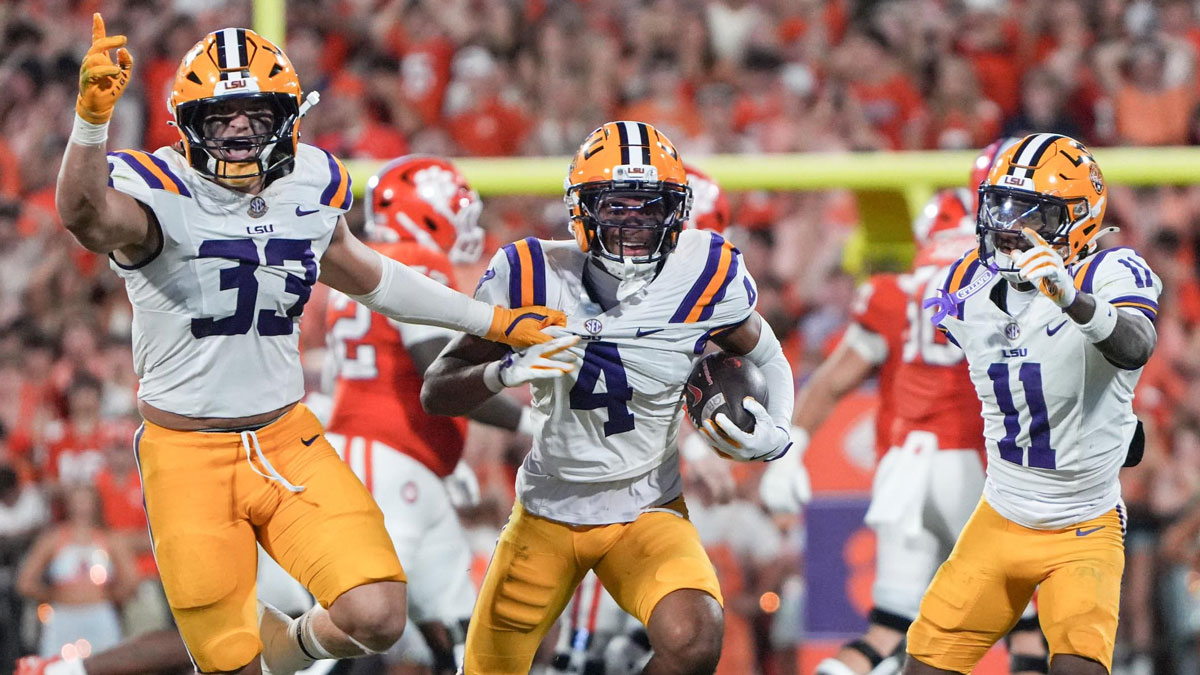
Round 1, pick 15: CB Mansoor Delane, LSU
Mansoor Delane feels like a very ‘Buccaneers' pick. He is long, athletic, and built for aggressive coverage schemes. At his best, Delane is exactly what defensive coordinators want on the outside. He is a press-capable corner with real vertical speed and the courage to challenge receivers at the line of scrimmage. He’s comfortable disrupting routes early and has the recovery speed to stay in phase when things get uncomfortable.
The concerns are real but manageable. Delane’s slender frame shows up in run support and contested-catch situations. That's where added strength will be mandatory at the next level. However, Tampa Bay isn’t drafting him to play safety or linebacker. They’re drafting him to cover. Delane offers immediate schematic value and long-term CB1 upside if his physical development catches up to his movement skills.
Round 2, pick 46: EDGE Zion Young, Missouri
Zion Young is not a flashy pick. That's precisely why he makes sense here. Tampa Bay needs functional, reliable edge defenders who can anchor the run. Young can allow the rest of the defense to stay sound. He brings length, power, and discipline, even if his pass-rush production doesn’t jump off the stat sheet.
His best NFL role likely comes inside as a 3-4 defensive end or a strong-side presence who eats snaps and bodies. He’s not going to win with bend or chase quarterbacks down from behind. That said, he understands leverage, sets firm edges, and finishes plays in his area. With further physical development and a more defined role, Young can become the kind of unspectacular-but-essential defender every playoff team needs.
Round 3, pick 77: TE Michael Trigg, Baylor
Michael Trigg represents the swing pick of Tampa Bay’s draft. Here, the Buccaneers bet on athletic upside and positional scarcity. As a receiver, Trigg is easy to like. He has long arms, natural hands, and the ability to threaten defenses vertically. He competes at the catch point and looks eager to turn short gains into chunk plays.
The concern, of course, is consistency. His blocking tape has been uneven. He has shown flashes of dominance mixed with lapses in effort and technique. For Trigg to stick, he’ll need to embrace the unglamorous parts of the position. That includes sealing edges, executing assignments, and playing within structure. If he does, Tampa Bay could land a legitimate mismatch weapon on Day 3. If not, he risks becoming a situational piece rather than a foundational one.
What this draft says about Tampa Bay
This three-round haul paints a clear picture of the Buccaneers’ mindset. Tampa Bay isn’t panicking. They’re reinforcing. The emphasis on length, physical traits, and positional versatility suggests a team that believes it’s close. At the same time, they also know that they need more dependable pieces in critical spots.
There’s no headline-grabbing gamble here. Instead, the Buccaneers invest in coverage, trench stability, and offensive flexibility. If the front office can pair this class with a more consistentoffense, Tampa Bay remains well-positioned to stay relevant in a volatile NFC South.
Sometimes the smartest drafts don’t chase stars but build structure. For the Buccaneers, that might be exactly the point.