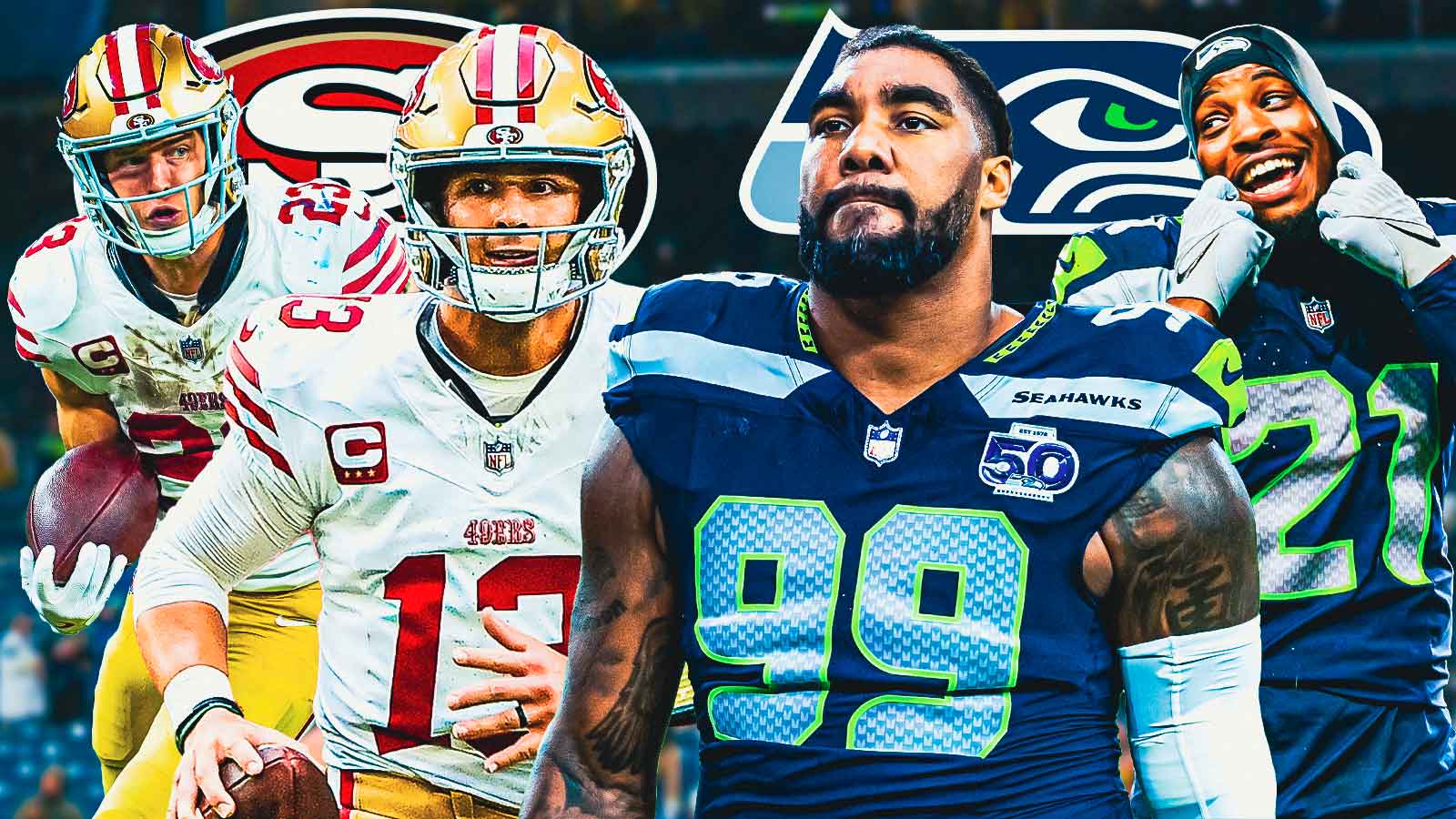
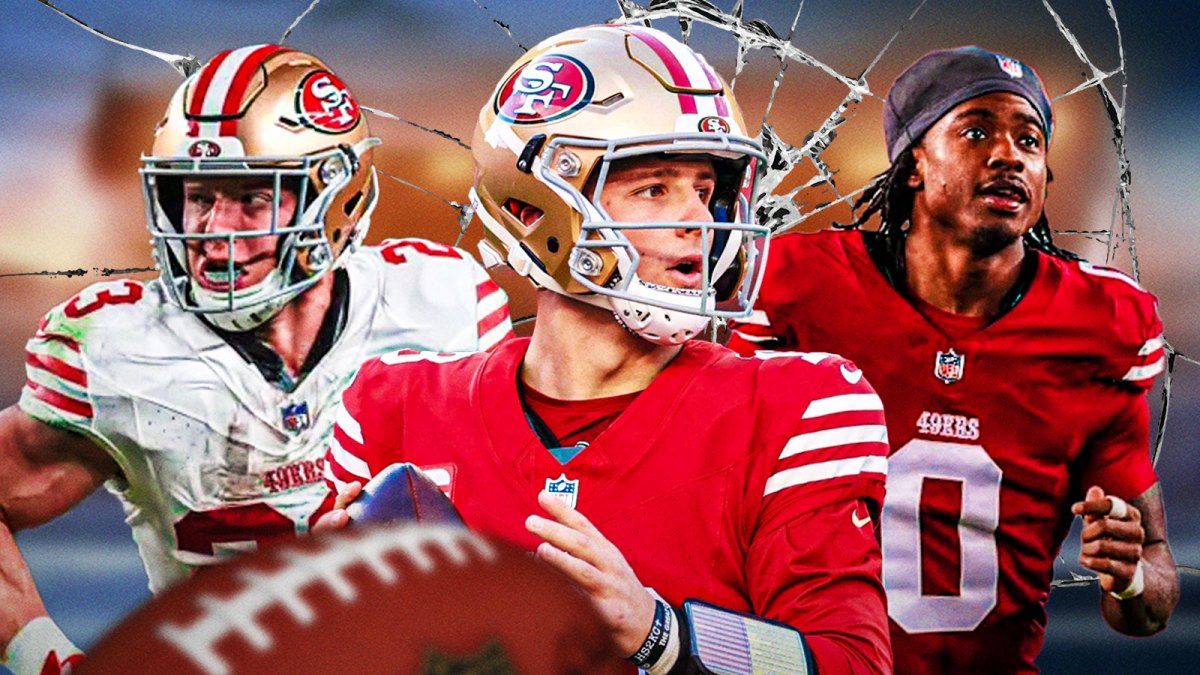
Everything the San Francisco 49ers worked for over the last six weeks seemed to come apart in one cold, deflating night. A division title. The NFC’s No. 1 seed. Home-field advantage throughout the playoffs. All gone. In their place stood a home loss to the Seattle Seahawks that revealed vulnerabilities the 49ers had managed to mask during their winning streak. This wasn’t about bad luck or one fluky bounce. It was a systemic failure across multiple position groups. It's the kind of loss that forces uncomfortable conversations even for a Super Bowl contender.
Season-shaping loss
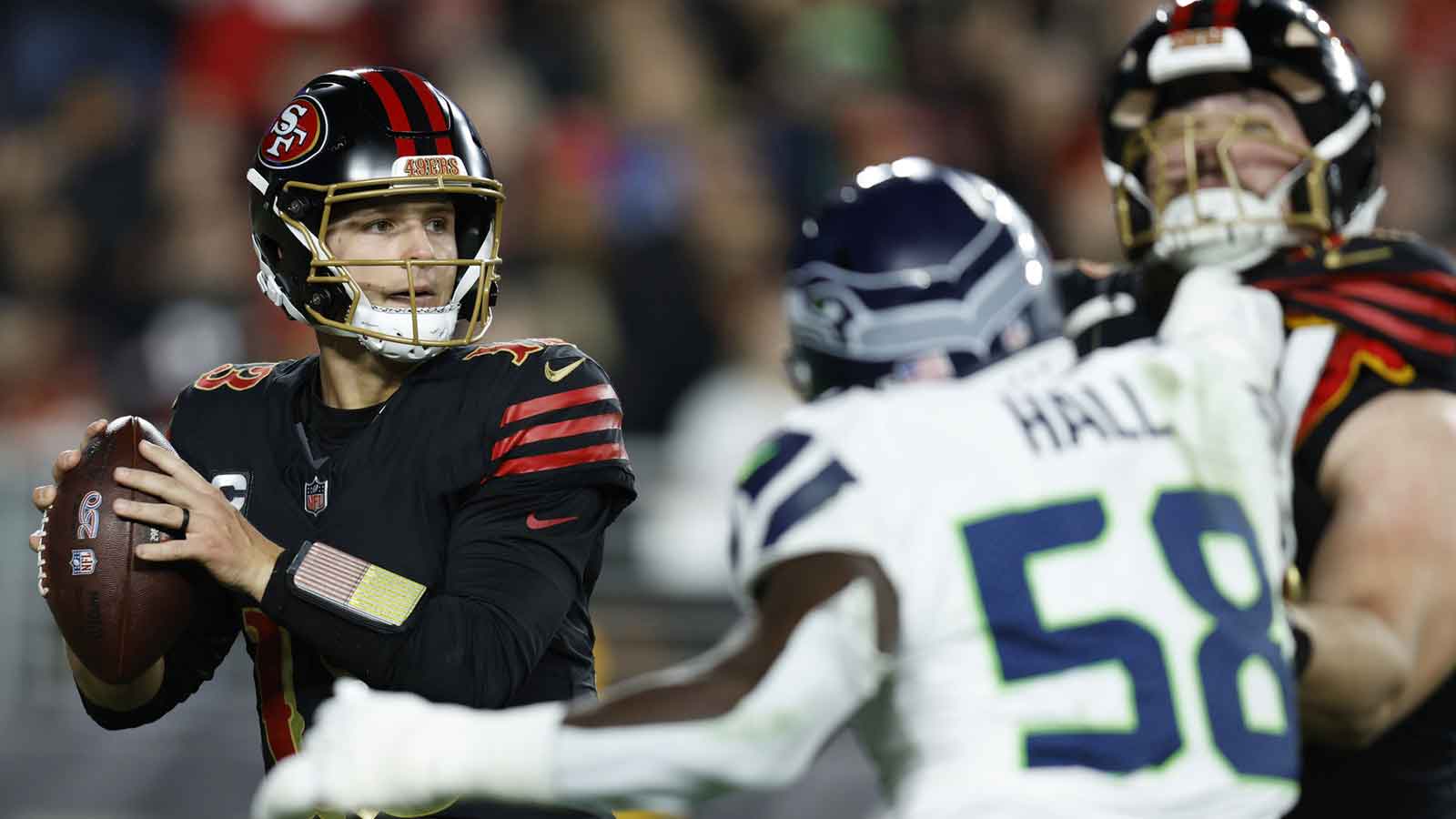
San Francisco’s six-game winning streak came to an abrupt halt in Week 18 with a 13-3 loss to Seattle. It cost them the NFC West crown and the conference’s top seed. The Seahawks’ defense suffocated the 49ers from the opening snap. Seattle held them to just 173 total yards and three points. That's their lowest scoring output since 2017.
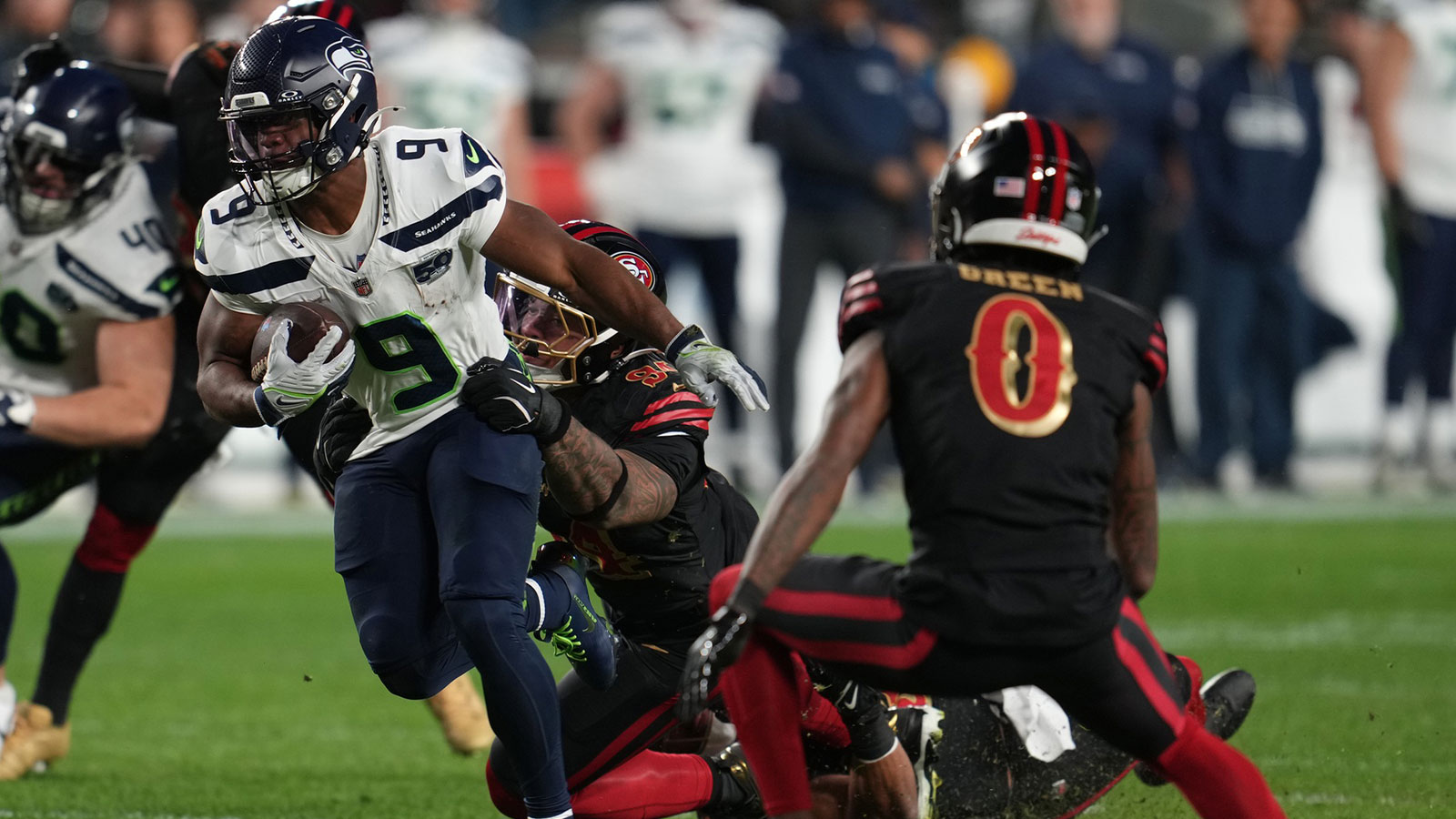
Seattle controlled the game with physicality and patience. Running backs Kenneth Walker III and Zach Charbonnet combined to outgain the entire San Francisco offense. Charbonnet scored the game’s lone touchdown on a 27-yard run. A fourth-quarter red-zone interception thrown by Brock Purdy ended any realistic comeback hopes and ensured the 49ers will open the postseason on the road.
Here we'll try to look at and discuss the San Francisco 49ers most to blame for their Week 18 loss to the Seahawks.
QB Brock Purdy
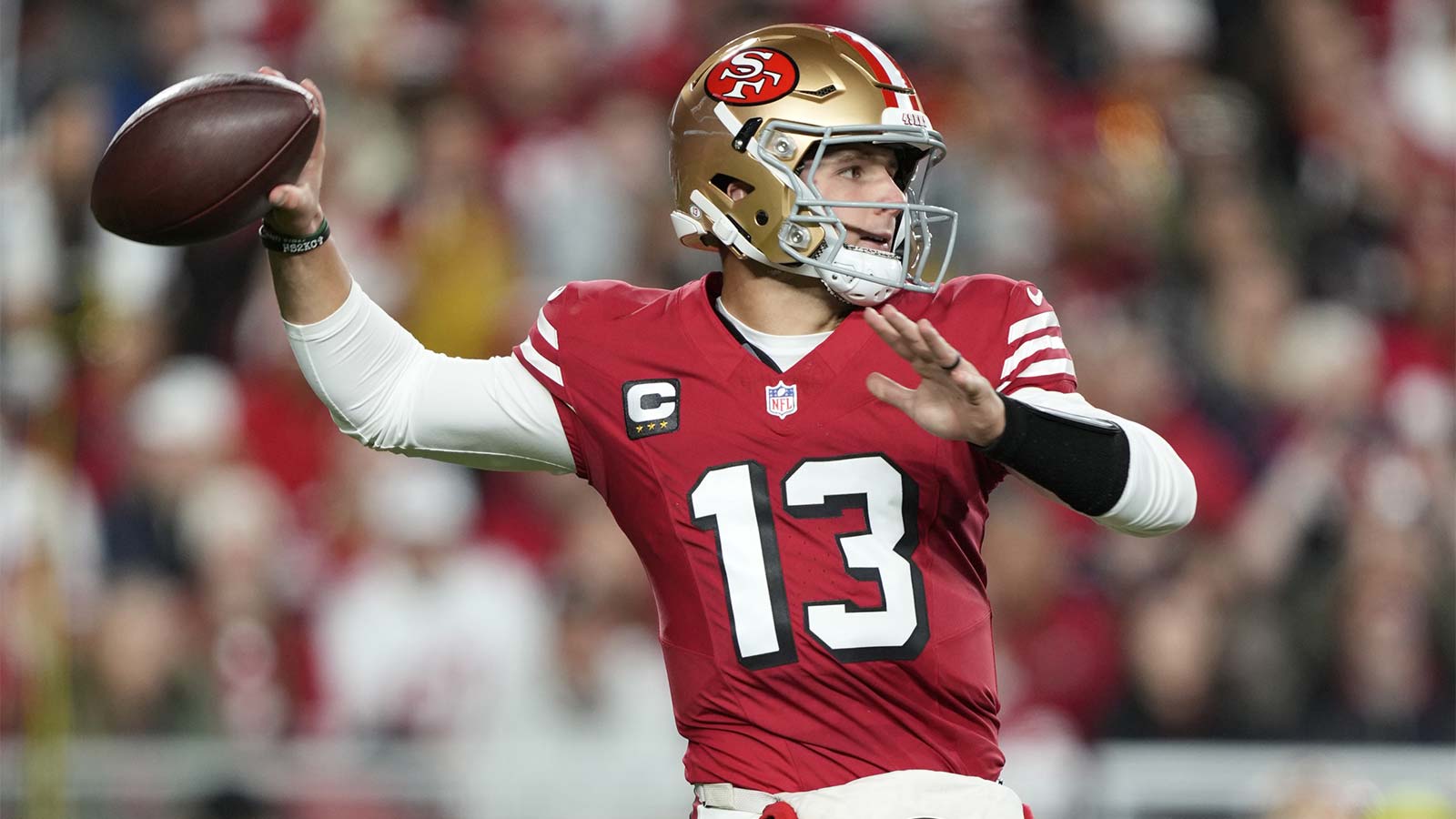
Purdy will draw scrutiny, and some of it is fair. He finished 19-of-27 for 127 yards, with the lone interception coming on a pass that bounced off Christian McCaffrey’s hands. Statistically, it wasn’t a meltdown. Contextually, though, it highlighted the boundaries of what Purdy can do when everything around him collapses.
Without Trent Williams protecting the blind side and without Ricky Pearsall to stretch coverage, Purdy struggled to push the ball downfield. Seattle dared San Francisco to beat them vertically and largely won that bet. Purdy made some sharp throws on the lone fourth-quarter drive that reached goal-to-go. However, his arm strength and ability to function in a chaotic pocket were tested and found wanting.
He wasn’t the primary reason the 49ers lost. Still, in a game where margins were razor-thin, he couldn’t elevate the offense beyond its surroundings.
RB Christian McCaffrey
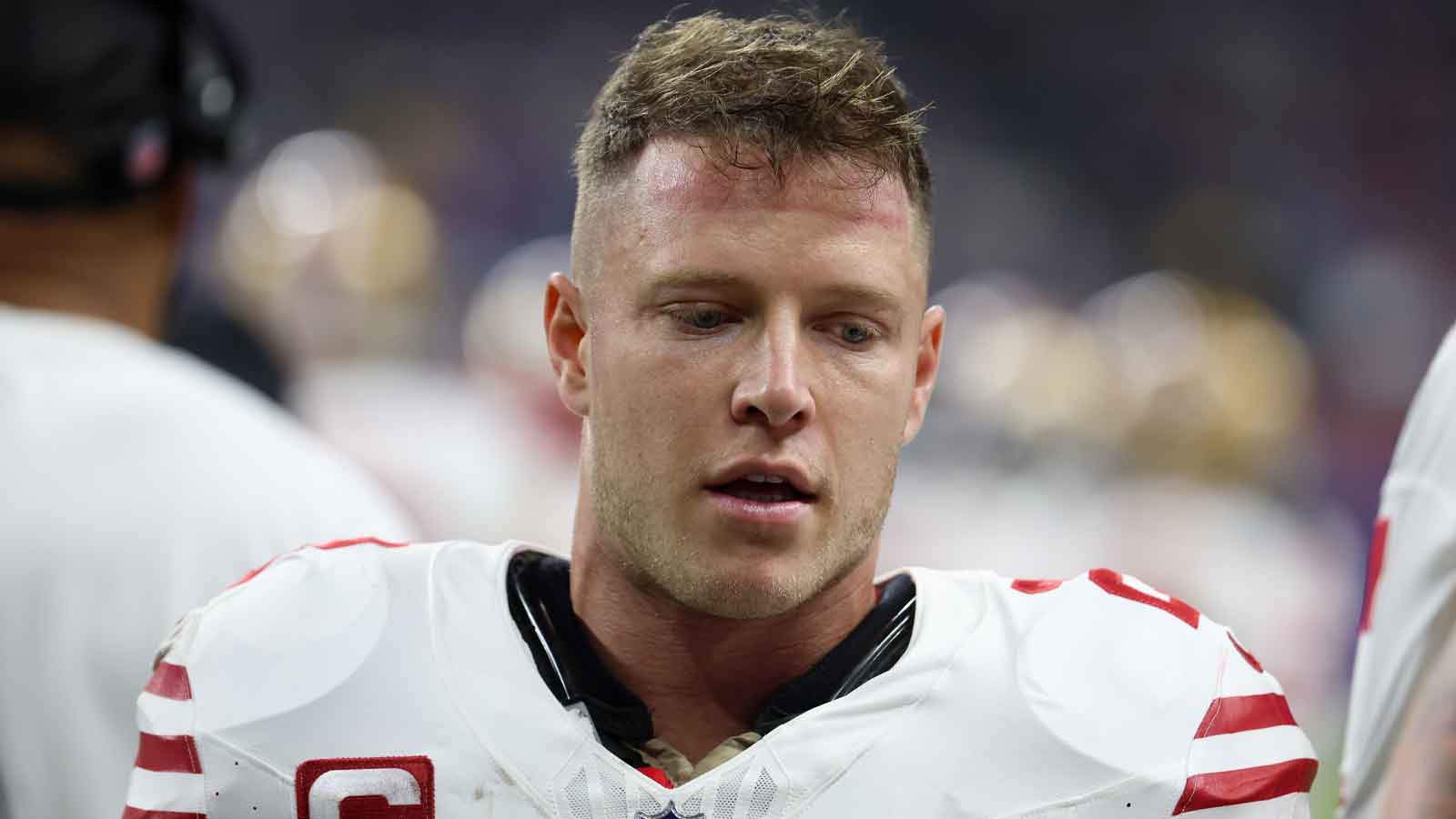
McCaffrey didn’t dodge responsibility. On second-and-goal at the Seattle 6-yard line, Purdy put the ball right where it needed to be. McCaffrey dropped it, and linebacker Drake Thomas came down with the interception.
That was the game.
McCaffrey finished with eight carries for 23 yards and six catches for 34 yards. Those numbers reflect how thoroughly Seattle controlled tempo and possession. The Seahawks limited San Francisco to just 42 offensive plays. Seattle suffocated rhythm and volume. Even McCaffrey, who's the engine of this offense, couldn’t find space. His longest gain went for only nine yards.
The drop doesn’t erase a brilliant season, of course. That said, in a game of this magnitude, that single moment swung everything.
CB Renardo Green
If there was one defender the Seahawks circled in red ink, it was Renardo Green. Seattle built much of its passing offense by attacking him, especially with Jaxon Smith-Njigba.
Green struggled in press coverage. He committed pass interference penalties and then overcorrected by giving too much cushion. It was the worst of both worlds. Seattle didn’t need explosive passing numbers. They needed reliable completions to stay on schedule, and Green allowed them.
For a defense built on discipline and assignment soundness, this was a glaring weak link. It is one opponents will absolutely test in January.
Offensive line
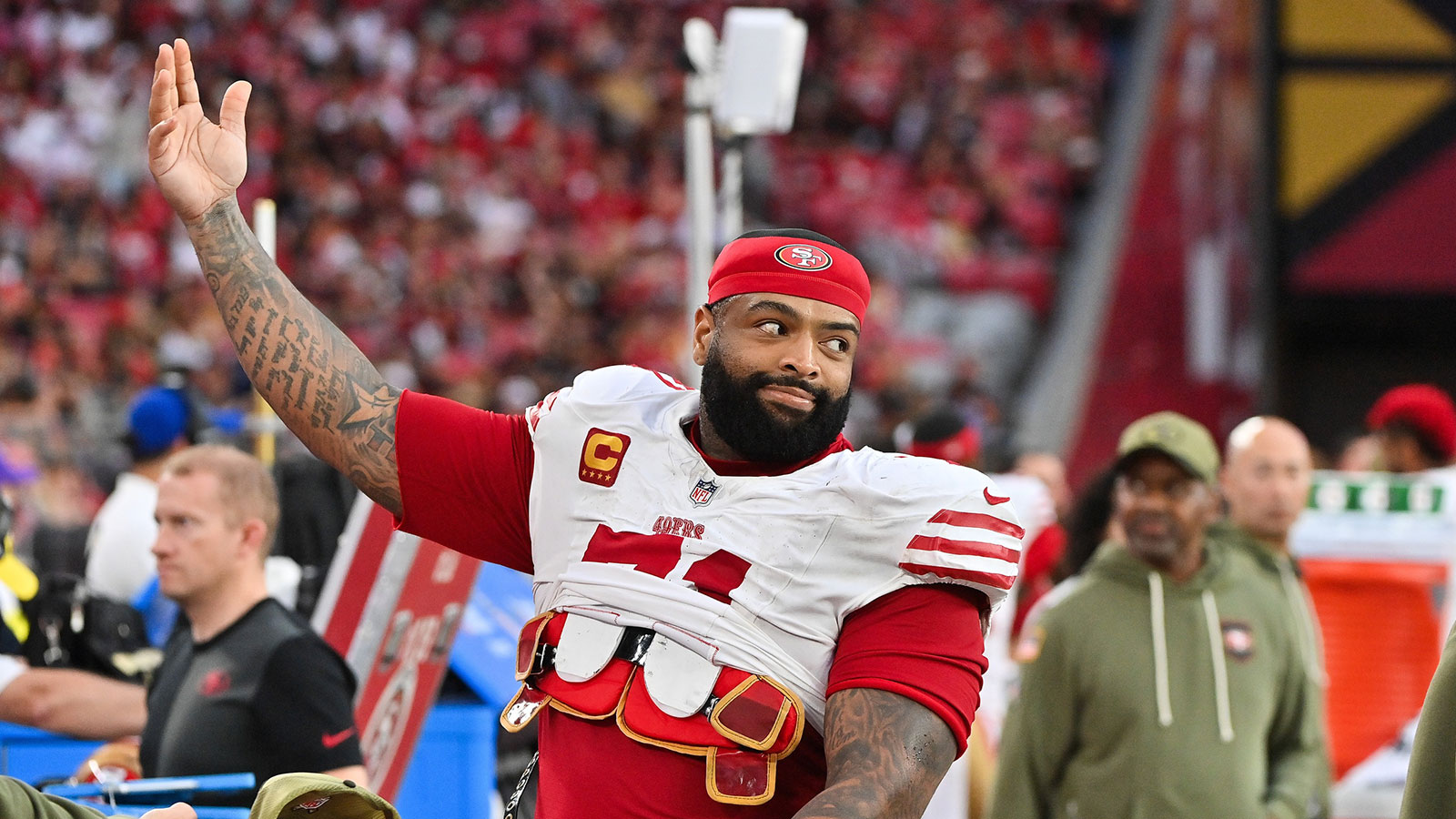
Seattle’s defense deserves credit, but the 49ers’ offensive line was flat-out beaten. Substitute left tackle Austen Pleasants struggled. The issues, though, went far beyond one position. Dom Puni, Jake Brendel, and the interior were pushed around all night.
Purdy rarely had a clean pocket. The run game never threatened. With receivers who already struggle to separate quickly, the lack of protection turned every dropback into a survival drill. It was a comprehensive loss in the trenches. It's something that doesn’t show up as loudly on the scoreboard but determines everything underneath it.
Final word
This wasn’t just a loss but a warning. The 49ers are still dangerous and capable of winning the Super Bowl. However, Week 18 exposed the pressure points: offensive line depth, cornerback reliability, and an offense that can stall when McCaffrey is neutralized and Purdy is forced off script.
San Francisco didn’t lose because Seattle played above its head. They lost because the Seahawks attacked their weaknesses without mercy. Sadly, the 49ers had no counterpunch.
January football won’t be forgiving. If the 49ers want this loss to be a lesson rather than a prelude, they’ll need to respond fast and with force.