For the San Francisco 49ers, this loss was a humiliation layered with inevitability. A season that once carried Super Bowl promise ended flat, fractured, and over almost as soon as it began. From the opening kickoff to the final whistle, the 49ers were overwhelmed by a Seattle Seahawks team that looked faster, better prepared, and utterly ruthless. Injuries played a role, sure. The hostile environment mattered, of course. That said, neither explains how a proud franchise walked into a Divisional Round matchup and walked out with one of the ugliest playoff defeats in its modern history.
The nightmare
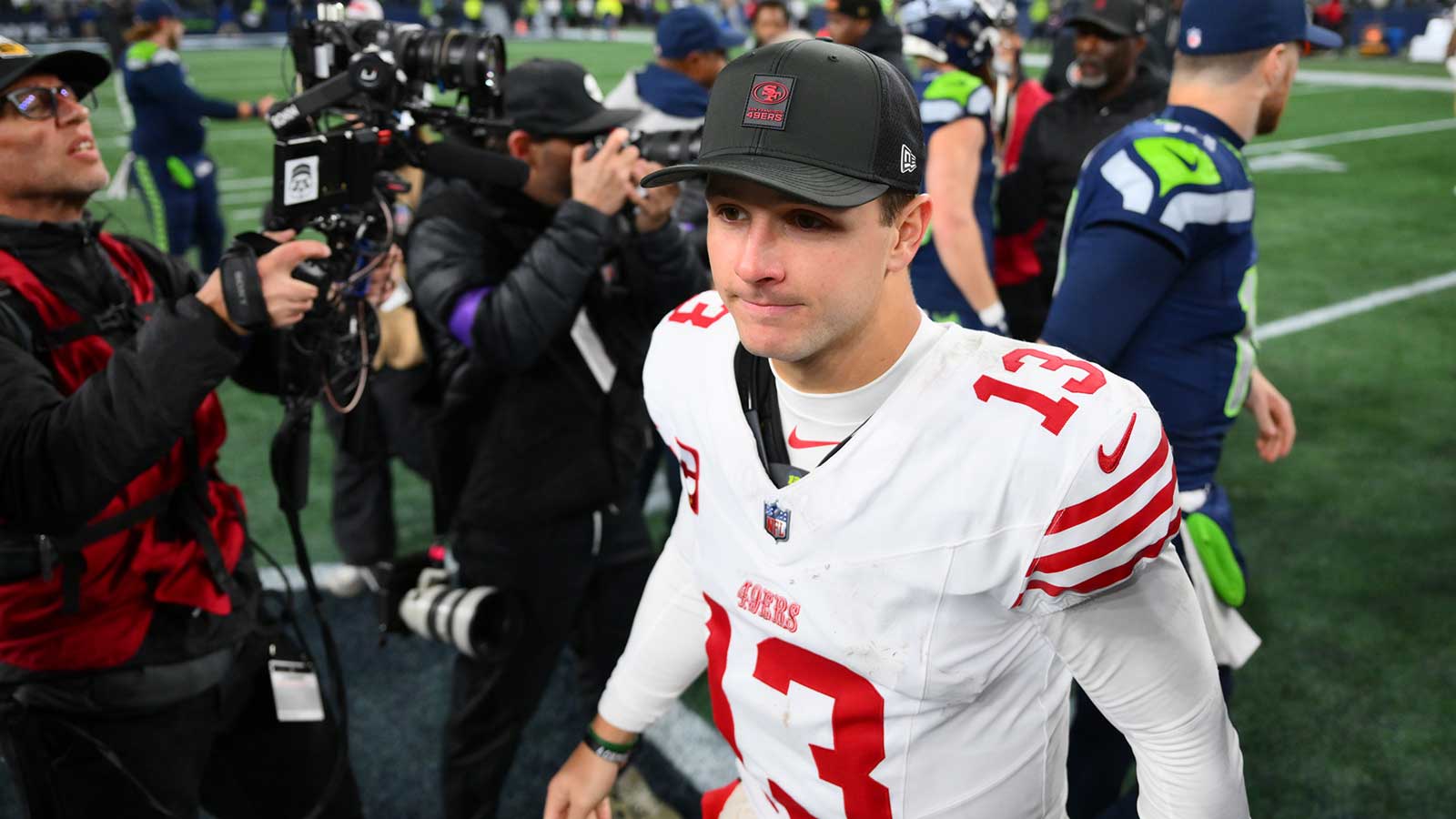
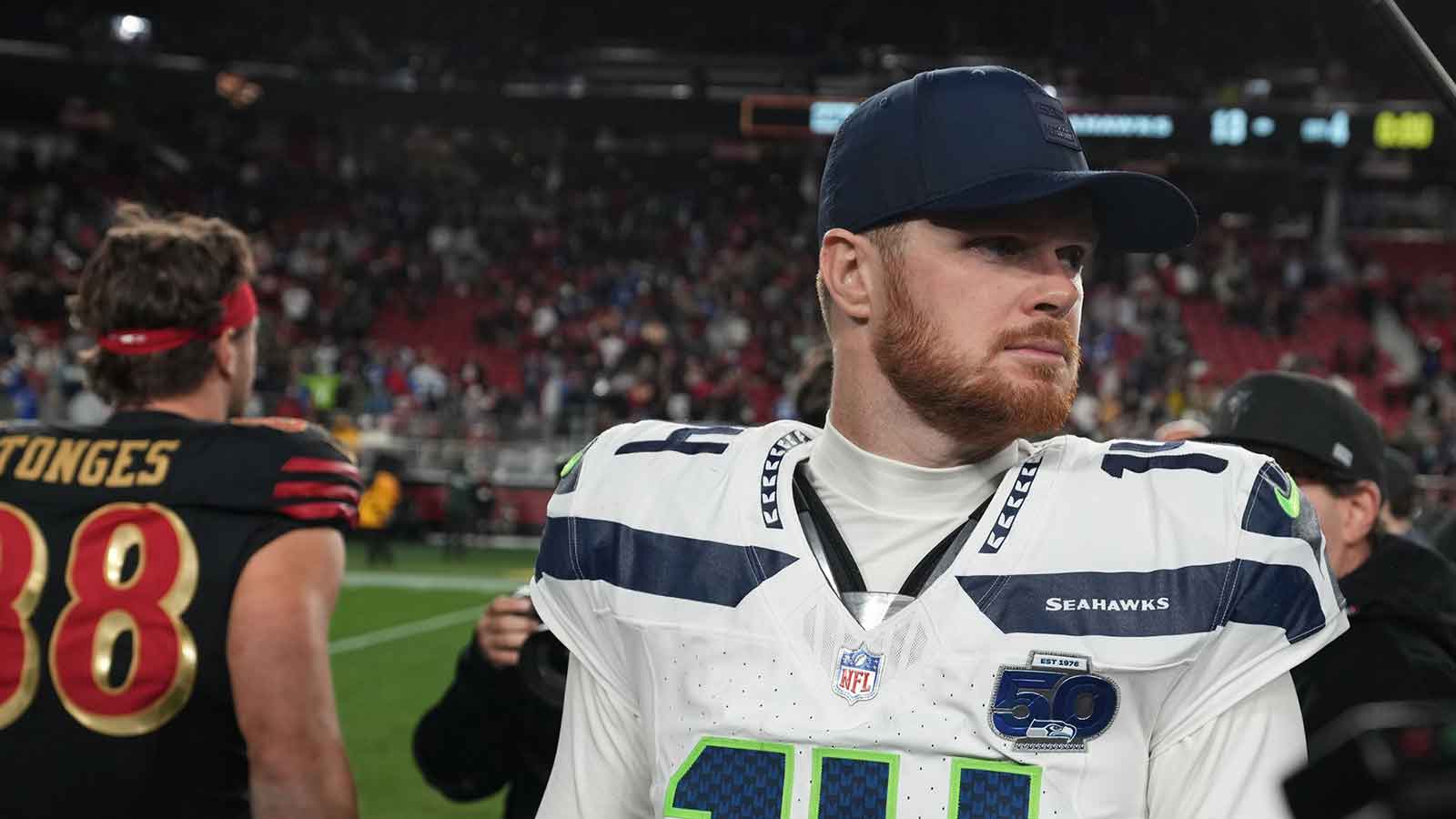
In a historic 41-6 rout, the 49ers were eliminated from the 2025 postseason by the top-seeded Seahawks in the NFC Divisional Round on Saturday. The game took a catastrophic turn immediately, when Seattle’s Rashid Shaheed returned the opening kickoff 95 yards for a touchdown. That ignited Lumen Field and set a brutal tone.
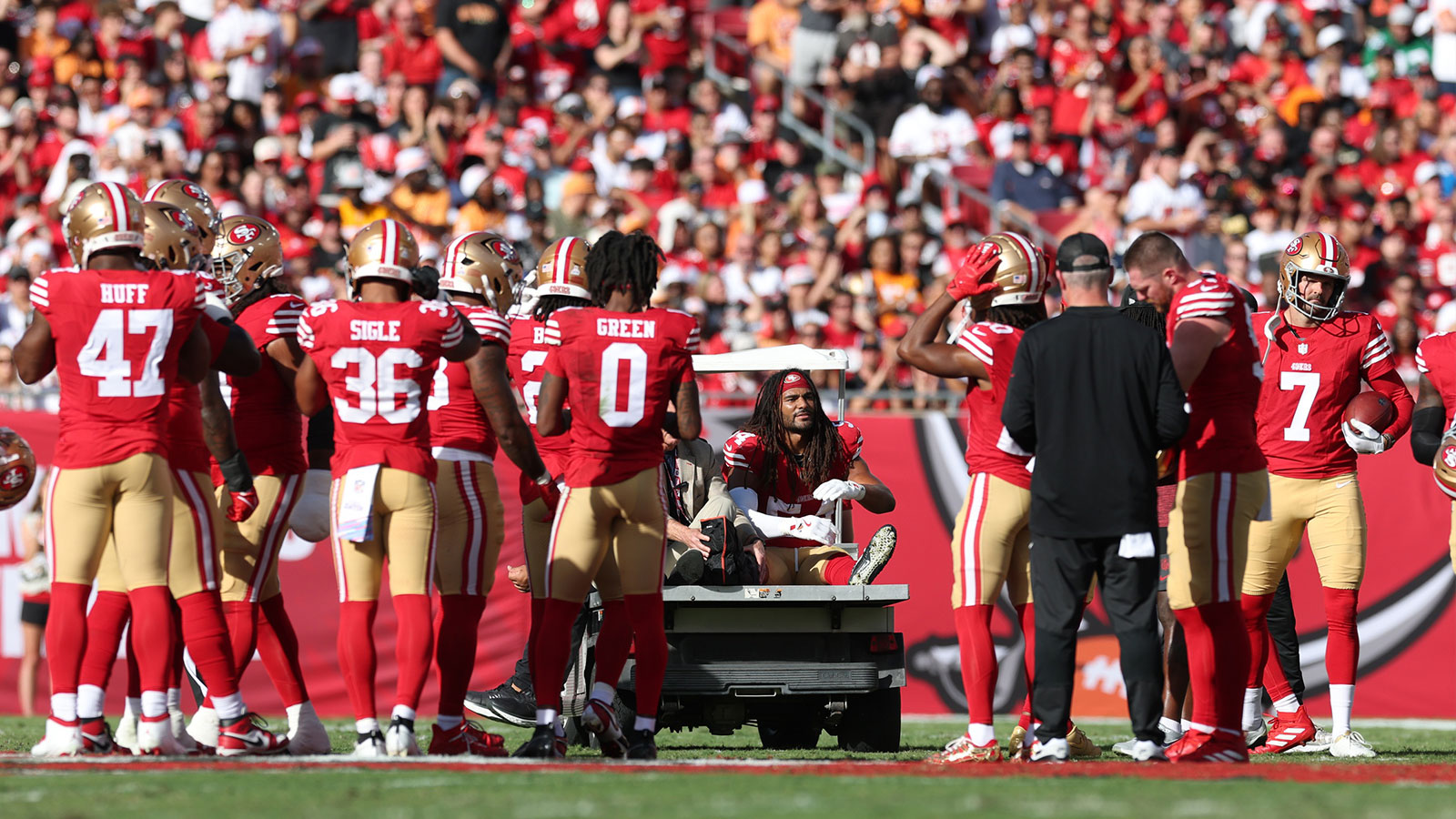
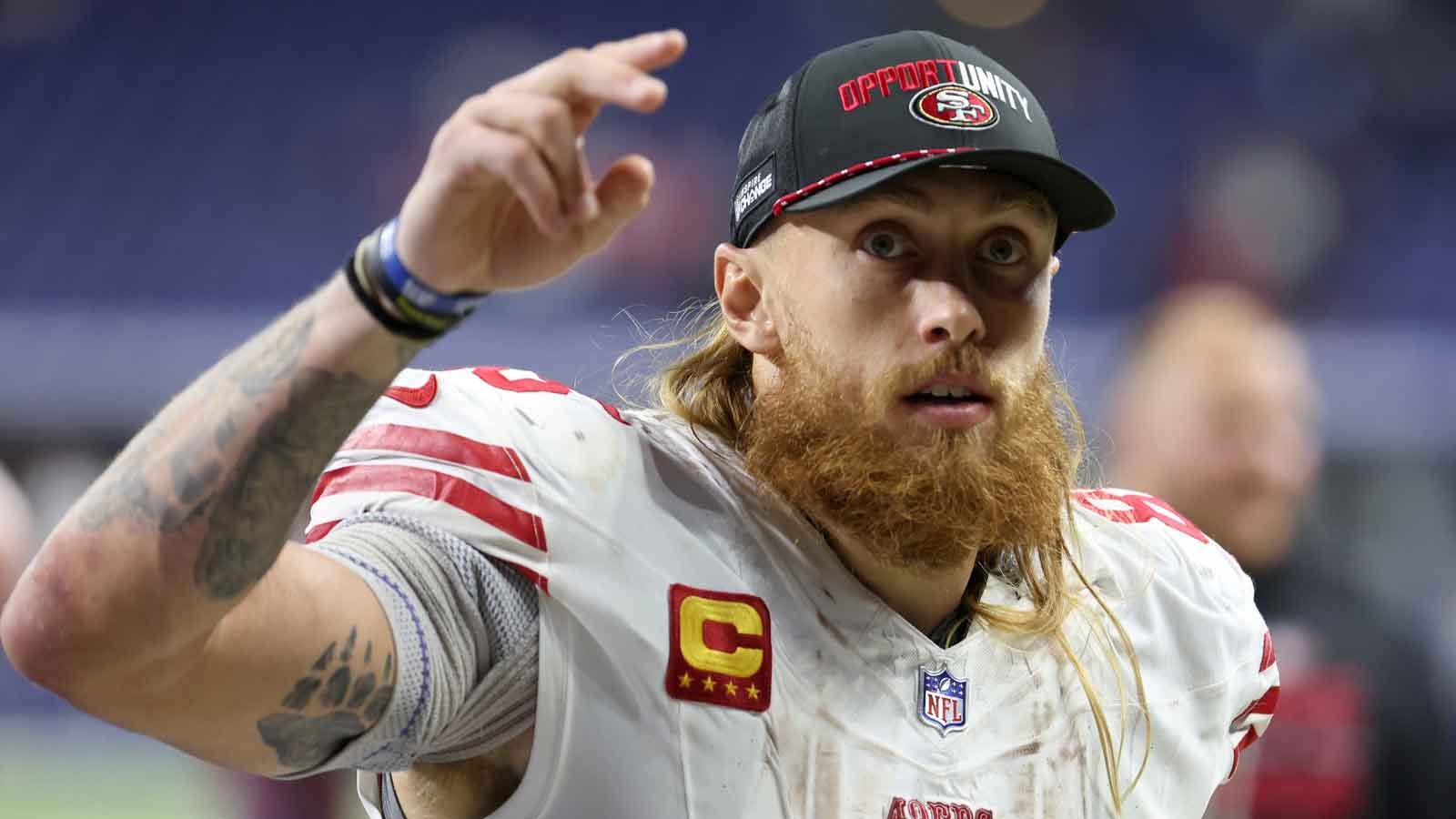
From there, it only got worse. The injuries to George Kittle, Fred Warner, and Nick Bosa, among others caught up with the Niners. They never found traction on either side of the ball. The offense failed to score a touchdown. They settled for two Eddy Piñeiro field goals, while Seattle running back Kenneth Walker III carved up San Francisco for 116 yards and three touchdowns. The Seahawks’ ‘Dark Side' defense forced three turnovers. These included a Brock Purdy interception and a lost fumble. Seattle held the 49ers scoreless for the final 34 minutes. With that, San Francisco’s Super Bowl hopes disintegrated.
Here we'll try to look at and discuss the 49ers most to blame for their Divisional Round loss to the Seahawks.
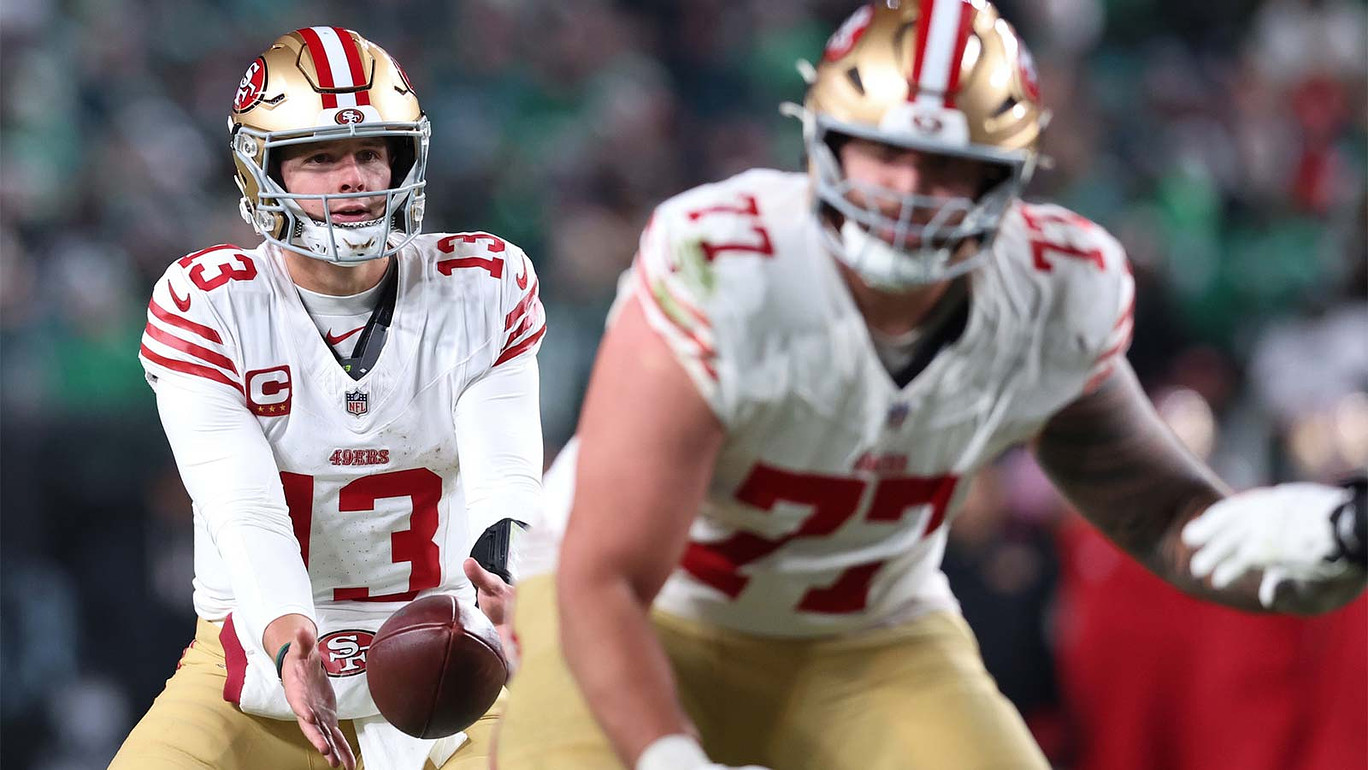
QB Brock Purdy
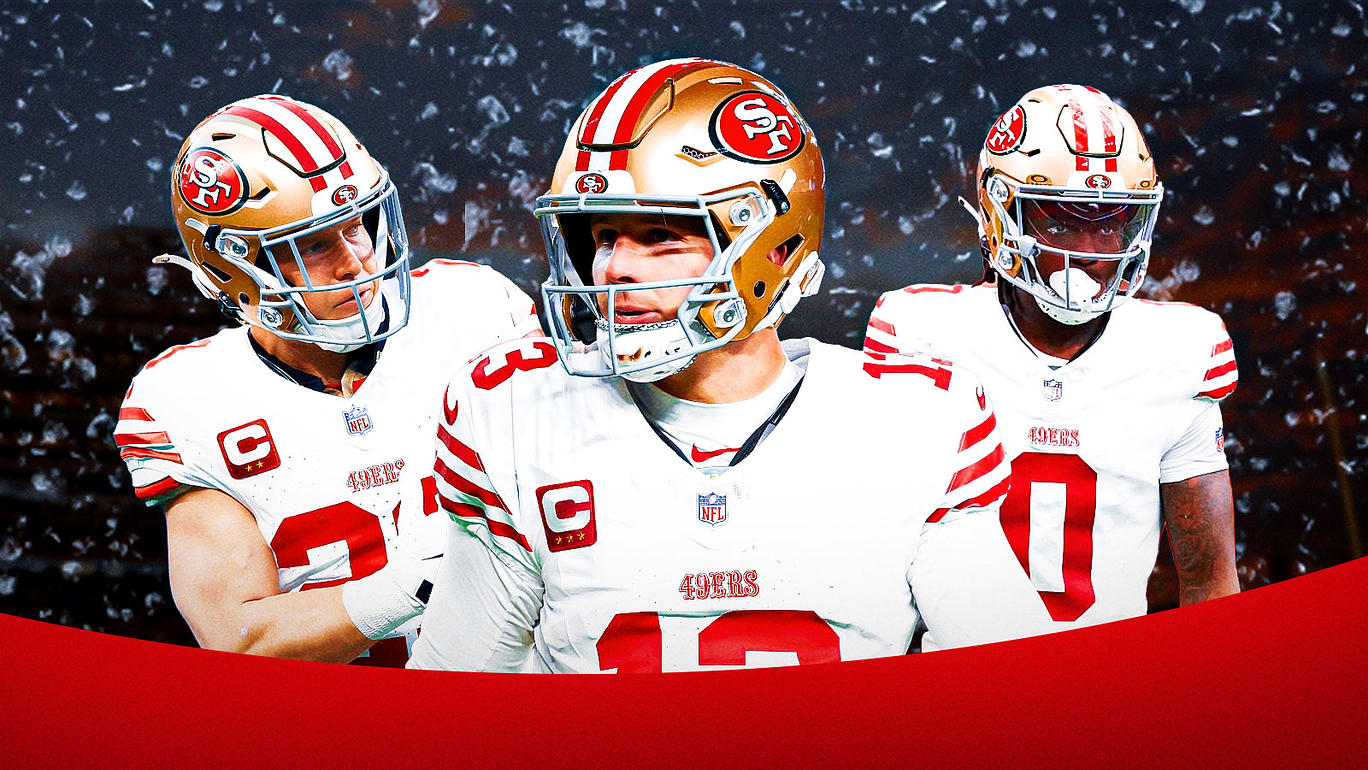
This loss was not solely Purdy’s fault. However, it was the kind of game that demanded he be more than solid. Purdy completed 15 of 27 passes for 140 yards with no touchdowns and one interception. He added 37 rushing yards while also losing a fumble. Purdy played hard and showed toughness. He even flashed aggression as a runner. Still, the truth is that the offense needed Purdy to elevate everyone around him. He couldn’t.
Seattle’s coverage took away the middle of the field. The pass rush collapsed the pocket before routes could develop. Without a healthy supporting cast, Purdy’s physical limitations became more apparent. He struggled to push the ball vertically and couldn’t consistently escape pressure once the Seahawks disrupted the timing.
That doesn’t erase what was otherwise a very good season. In this moment, however, Purdy wasn’t a difference-maker. Against Seattle, that distinction mattered.
RB Christian McCaffrey
Christian McCaffrey was one of the few 49ers who showed up with urgency. That said, even he was rendered mortal.
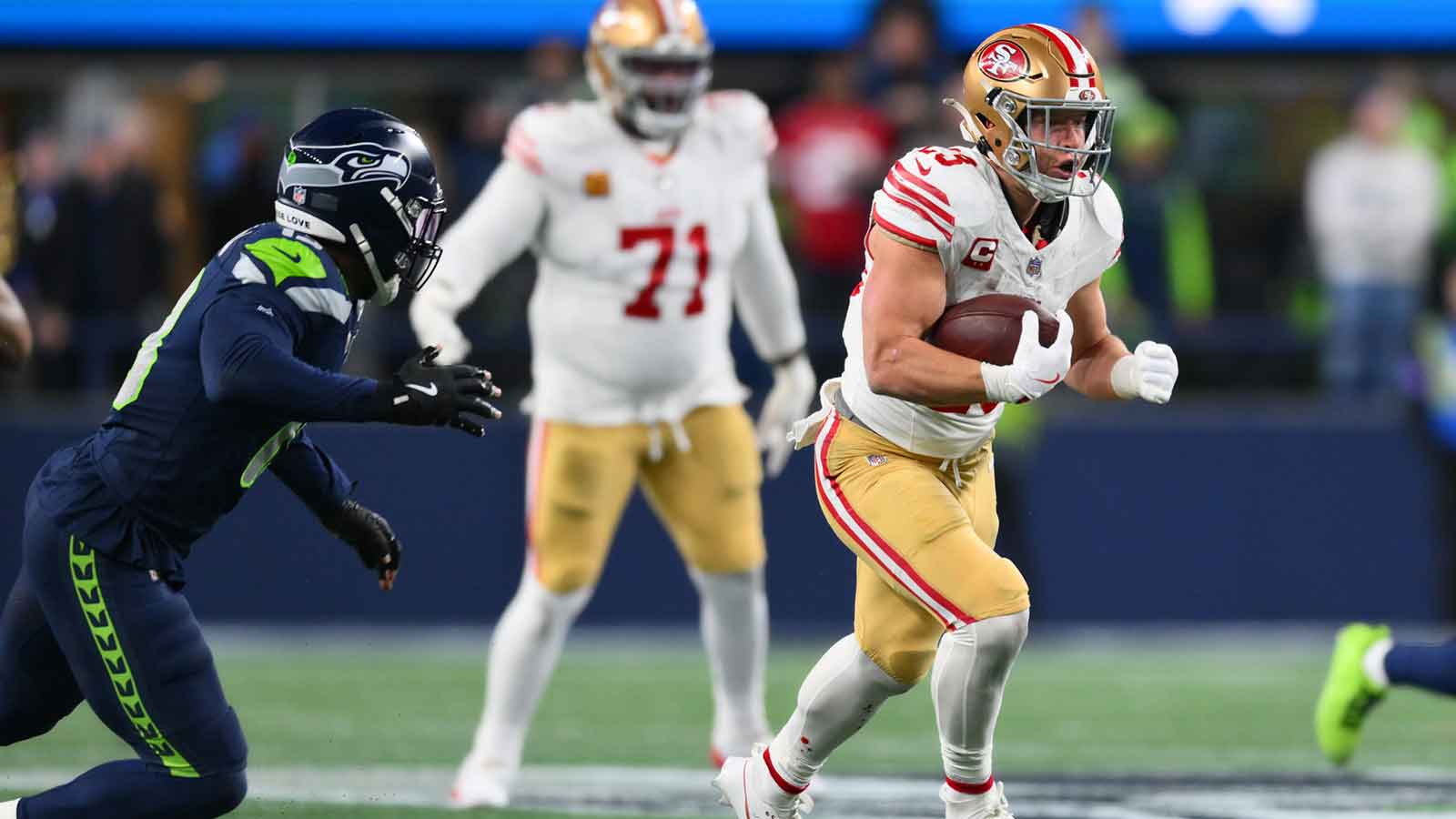
McCaffrey rushed 11 times for 35 yards and added five receptions for 39 yards. His most productive plays came through the air. That's where he found pockets of space when the offensive line could briefly hold. On the ground, however, he had nowhere to go. Game script worked against him. Seattle’s disciplined front erased cutback lanes almost immediately.
McCaffrey also battled through a stinger in his left shoulder that forced him off the field twice. That further limited his impact. When your offense is reduced to field goals and your best player can’t impose his will, the outcome is rarely favorable.
Secondary
If there was a single unit that collapsed under the spotlight, it was the secondary. Seattle made a point of attacking whoever the 49ers put on the field. San Francisco never adjusted effectively. Renardo Green struggled early and drew the ire of Kyle Shanahan after a second-and-long conversion to Cooper Kupp following a sack. That frustration boiled over, leading to personnel shuffling that only made matters worse.
When Deommodore Lenoir and others rotated out, Seattle targeted their replacements. Jaxon Smith-Njigba ran free. Jake Bobo converted key third downs. Coverage busts turned manageable situations into drive-extending disasters.
Marques Sigle, thrust into a larger role, frequently played in position. However, position alone doesn’t make plays. A pass interference penalty set up Seattle’s first offensive touchdown. A missed tackle on Kenneth Walker III led directly to another. It was a night defined by almosts and not-quites. In the playoffs, that’s fatal.
Run defense
The Seahawks just dismantled the 49ers’ run defense. Walker repeatedly found daylight, and Seattle easily manipulated San Francisco’s linebackers. Dee Winters looked overwhelmed. He misread plays and got washed out early. Eric Kendricks and Garret Wallow, solid contributors a week earlier, were exposed as depth options against Seattle’s physical, well-schemed attack.
Seahawks offensive coordinator Klint Kubiak crafted a plan that forced linebackers into impossible choices. They used motion, pulled linemen, and had receiver blocks to create clean lanes. The result was a Niners defense that looked hesitant, reactive, and exhausted long before halftime.
The harsh reality
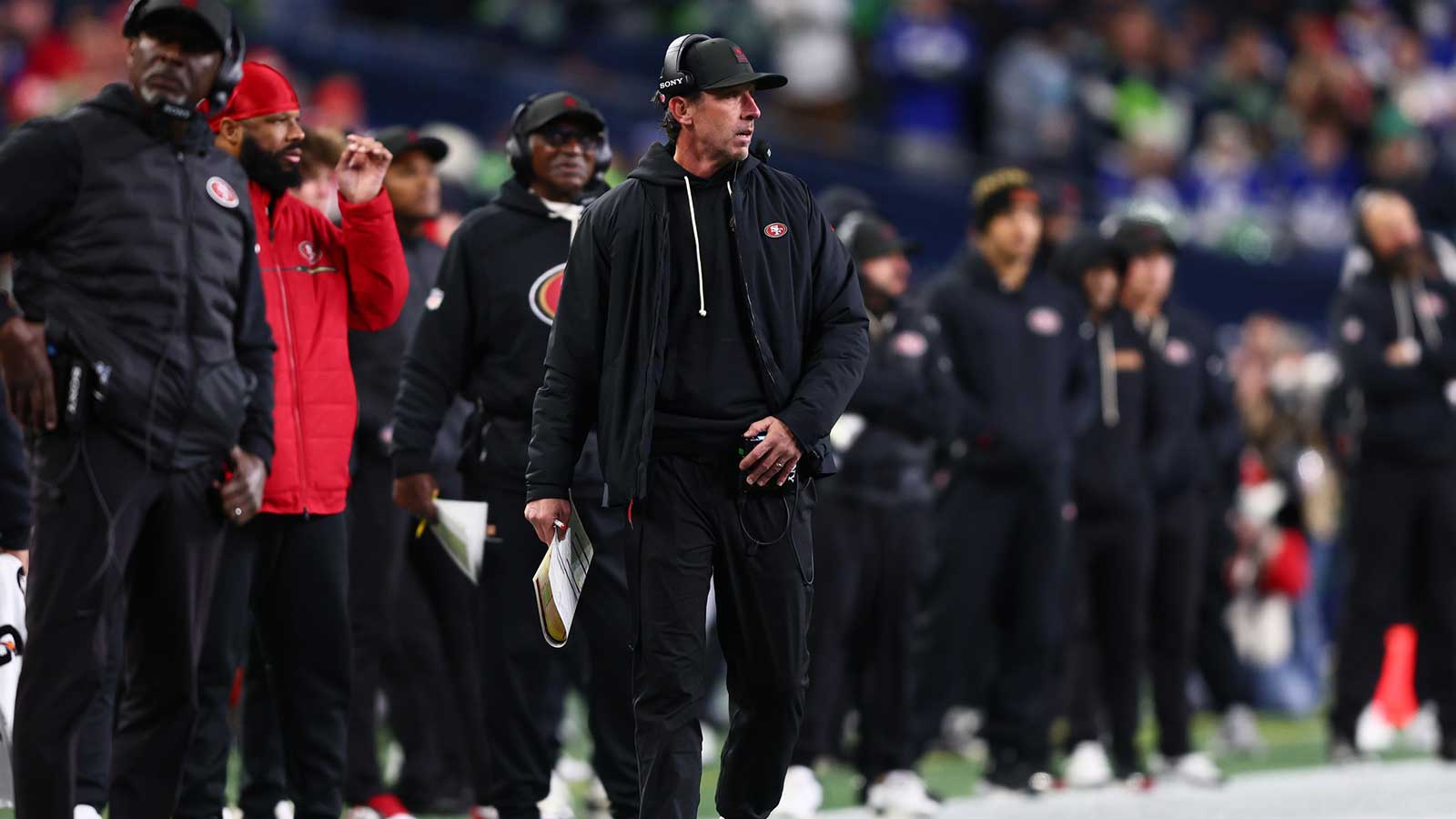
This might have been a reckoning for San Francisco. Injuries mattered. Environment mattered. But preparation, execution, and adaptability mattered more. Seattle dominated in all three. The 49ers were outcoached, outmuscled, and outmatched from the opening kick.
San Francisco entered this postseason believing it could win anywhere. On Saturday night, it learned how fragile that belief becomes when things go wrong early and when there’s no counterpunch ready.
The 49ers’ were not just eliminated by the Seahawks. They were peeled open and exposed.