For the Miami Dolphins, the 2026 NFL Draft represents more than roster building. It's a referendum on direction. After an uneven 2025 season, Miami enters the draft cycle at a crossroads. With cap space tight and expectations still high inside the building, the Dolphins must rely on the draft to stabilize key positions and define what comes next. Using the PFF mock draft simulator, this three-round haul reflects a franchise attempting to balance urgency with sustainability.
Spiraled, stabilized, stalled
The Dolphins’ 2025 season was a roller coaster that never quite reached the summit. A disastrous 1–6 start prompted the midseason dismissal of general manager Chris Grier. That signaled a full organizational reset. What followed, though, was an impressive rebound. Miami won five of its next six games. They leaned heavily on a punishing ground attack powered by De'Von Achane. His explosiveness gave the offense a much-needed identity.
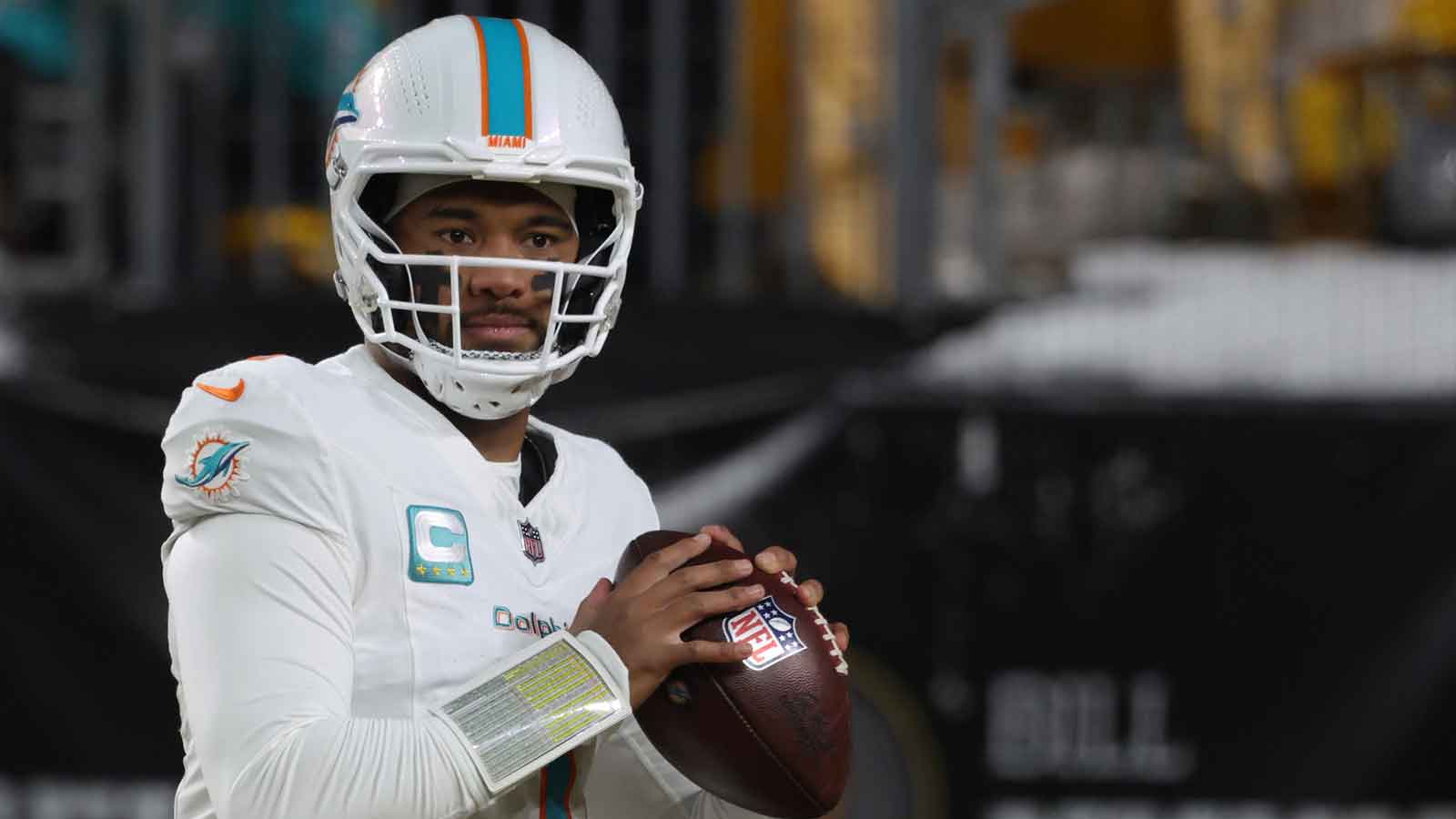
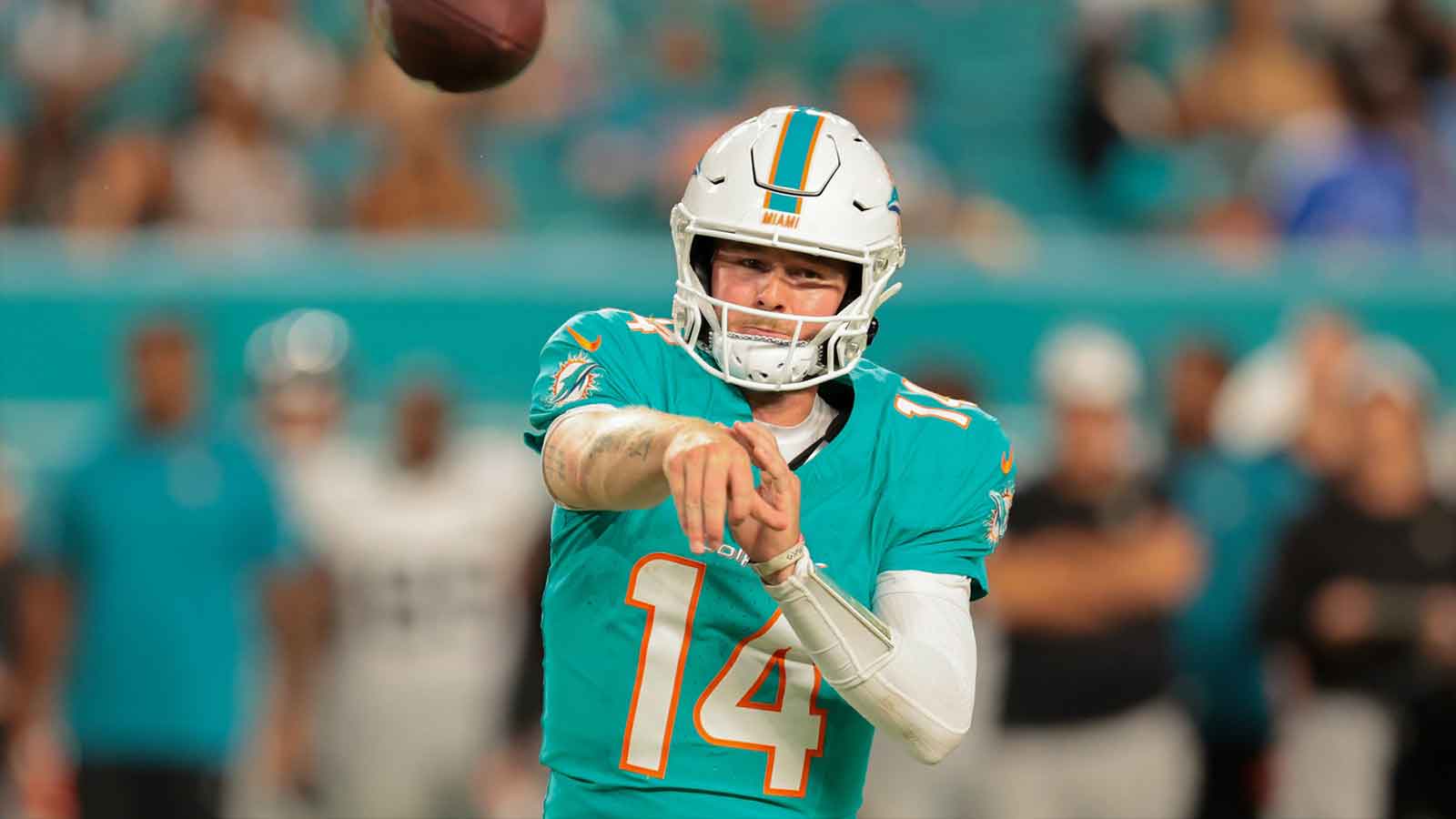
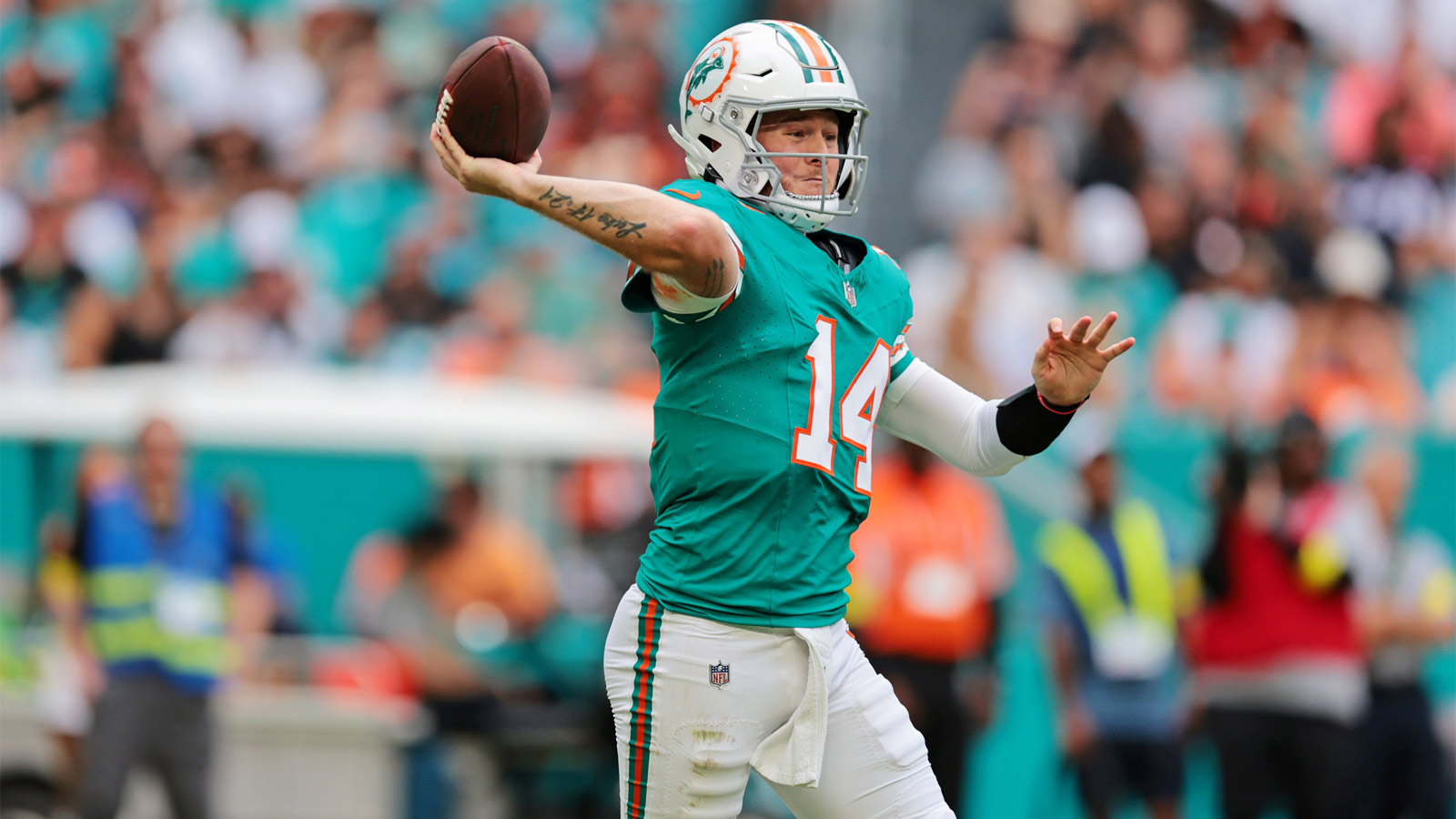
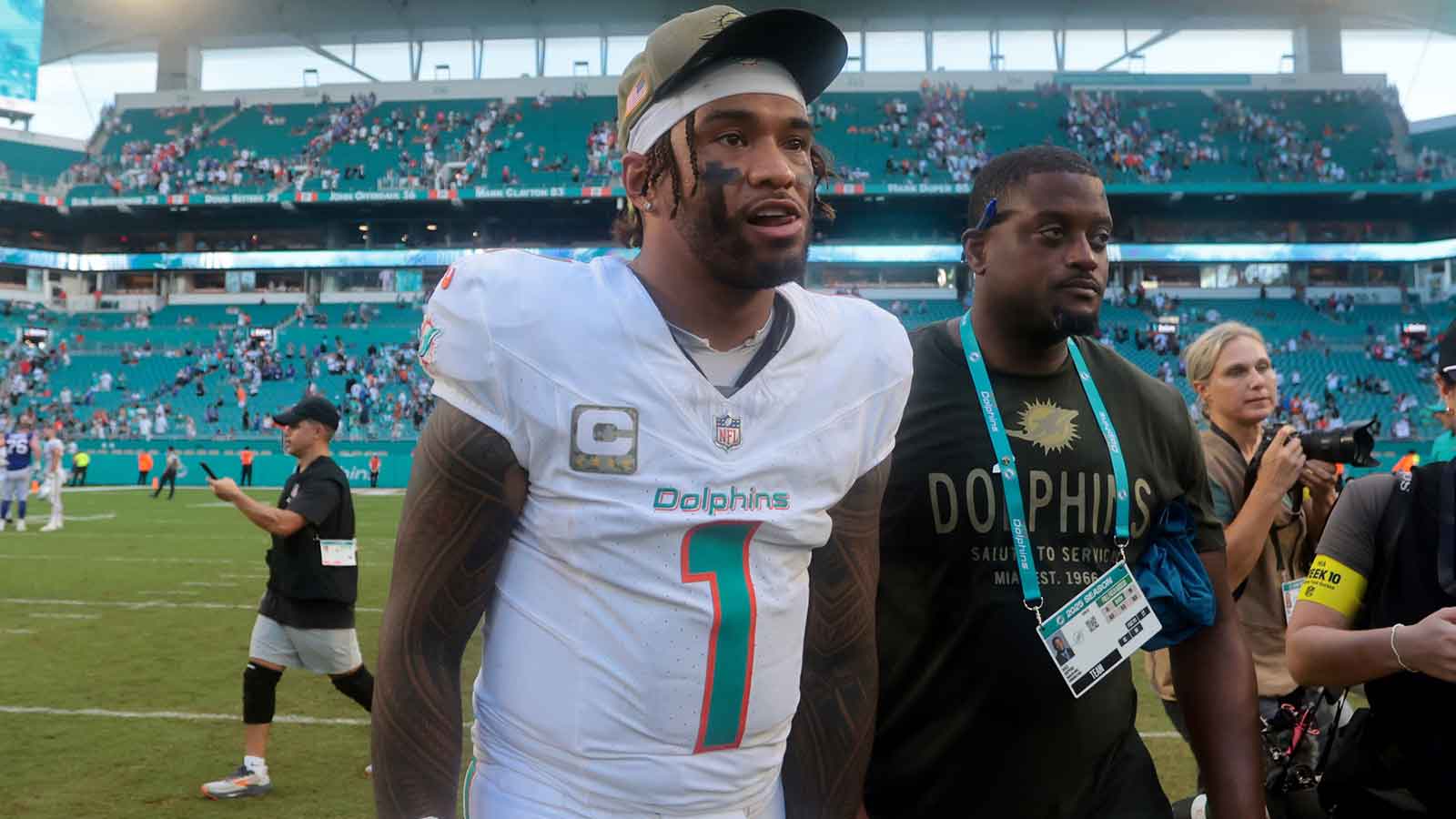
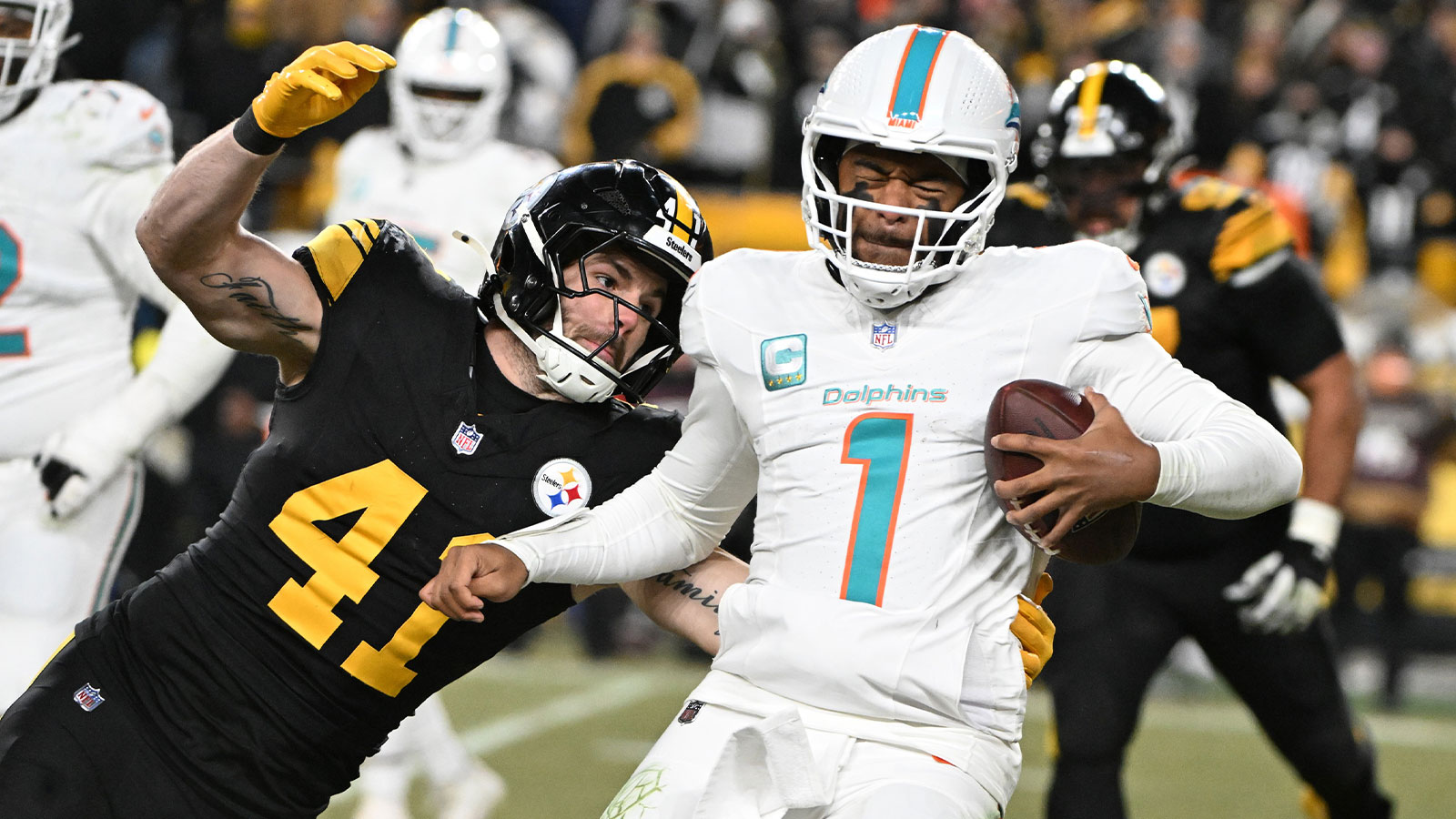
Still, the margin for error proved too thin. A Week 15 loss to the Steelers officially eliminated Miami from playoff contention for the second straight year. Things grew murkier in Week 16. That was when quarterback Tua Tagovailoa was benched following another inconsistent outing. The coaching staff turned to Quinn Ewers in a last-ditch evaluation move. Entering the final two weeks at 6–9, the Dolphins found themselves once again staring at an offseason defined by unanswered questions, most notably at quarterback.
Draft needs
Miami’s 2026 draft priorities are dictated as much by economics as performance. They are ranked near the bottom of the league in projected cap space. With that, the Dolphins cannot afford to patch holes with veteran stopgaps. The draft must supply immediate contributors on cost-controlled contracts.
Quarterback tops the list, though they may not be high enough to get any of the marquee names. Tagovailoa’s benching speaks volumes. Sure, Ewers offers intrigue. However, he has yet to claim the job long-term. Miami may ultimately need to chase a franchise passer via the draft or trade. Beyond quarterback, edge rusher, cornerback, and safety remain thin. Meanwhile, the interior offensive line and wide receiver room face uncertainty with pending free agents and possible cap casualties.
Here we'll try to look at and discuss the Dolphins' 3-round mock draft based on the PFF 2026 NFL mock draft simulator.
Round 1, pick 10: WR Carnell Tate, Ohio State
Carnell Tate fits Miami’s offense the way a glove fits a hand. The Ohio State product is the latest in a long line of Buckeyes wideouts ready to transition from secondary option to primary NFL target. Tate brings size, length, and elite ball skills. Those traits can immediately make life easier for any quarterback.
Tate excels at extending the catch point and tracking the ball downfield. His ability to climb the ladder against tight coverage stands out on tape. Yes, he has thrived as a WR2 in Columbus. Still, his skill set screams scalability. With 48 receptions for 838 yards and nine touchdowns this season, Tate proved he doesn’t need volume to impact games.
For Miami, Tate offers insurance and flexibility. No matter the quarterback, he should be an easy target who can grow into a featured role as contracts elsewhere come off the books.
Round 2, pick 42: DL A'Mauri Washington, Oregon
Few prospects have boosted their stock more dramatically this season than A’Mauri Washington. At 6-foot-3 and 330 pounds, Washington blends rare athleticism with legitimate power. That is a combination that defensive coordinators covet.
Washington’s calling card is his movement ability. Despite his size, he plays with surprising quickness. He consistently penetrates the backfield and disrupts run concepts before they develop. His athletic profile turned heads over the summer, and his 2025 breakout confirmed it wasn’t a fluke.
For Miami, Washington addresses two issues at once. These are his interior run defense and pass-rush push from the middle. With aging veterans and expiring contracts along the defensive line, Washington offers a long-term building block. He can anchor rotations early and develop into more.
Round 3, pick 74: RB Jadarian Price, Notre Dame
Drafting a running back might seem redundant for Miami. Still, Jadarian Price makes too much sense to ignore. Yes, his counting stats were muted in a crowded backfield. That said, Price flashed elite traits whenever given touches. He’s fast, decisive, and violent through contact. He can turn any burst into chunk gains.
Price isn’t a perfect prospect, though. His pass protection and receiving chops are limited. In the right role, however, he can thrive. Pairing him with Achane gives Miami stylistic diversity in the backfield. He helps preserve Achane’s workload over a long season.
Round 3, pick 87: OL Carter Smith, Indiana
Carter Smith is the kind of lineman coaches trust. He brings a punishing punch and a willingness to finish blocks. Sure, his lateral quickness and arm length may push him inside at the next level. However, his power profile fits a run-first, play-action offense.
Smith’s experience at left tackle for an Indiana unit that flirted with Joe Moore Award recognition gives him versatility. For Miami, he projects as a dependable interior starter. He is exactly the kind of stabilizer a young quarterback needs.
A quiet, purposeful reset

This mock draft won’t dominate headlines. That’s the point, though. Carnell Tate adds offensive insulation. A’Mauri Washington reinforces the trenches. Jadarian Price and Carter Smith provide depth with upside. In a cap-strapped reality, Miami needs answers, not fireworks. This draft begins to provide them.