This matchup feels bigger than expected. On paper, it already looks daunting. The Los Angeles Rams arrive with one of the league’s most explosive offenses. They have an MVP-caliber quarterback and a roster built to win now. The Chicago Bears, meanwhile, are still technically early in their competitive arc. Yet playoff football has never cared much for resumes. It rewards edges that don’t show up in highlight packages or betting lines. In this Divisional Round clash, the Bears may be sitting on a dark-horse advantage that could eventually swing the outcome.
How Chicago got here
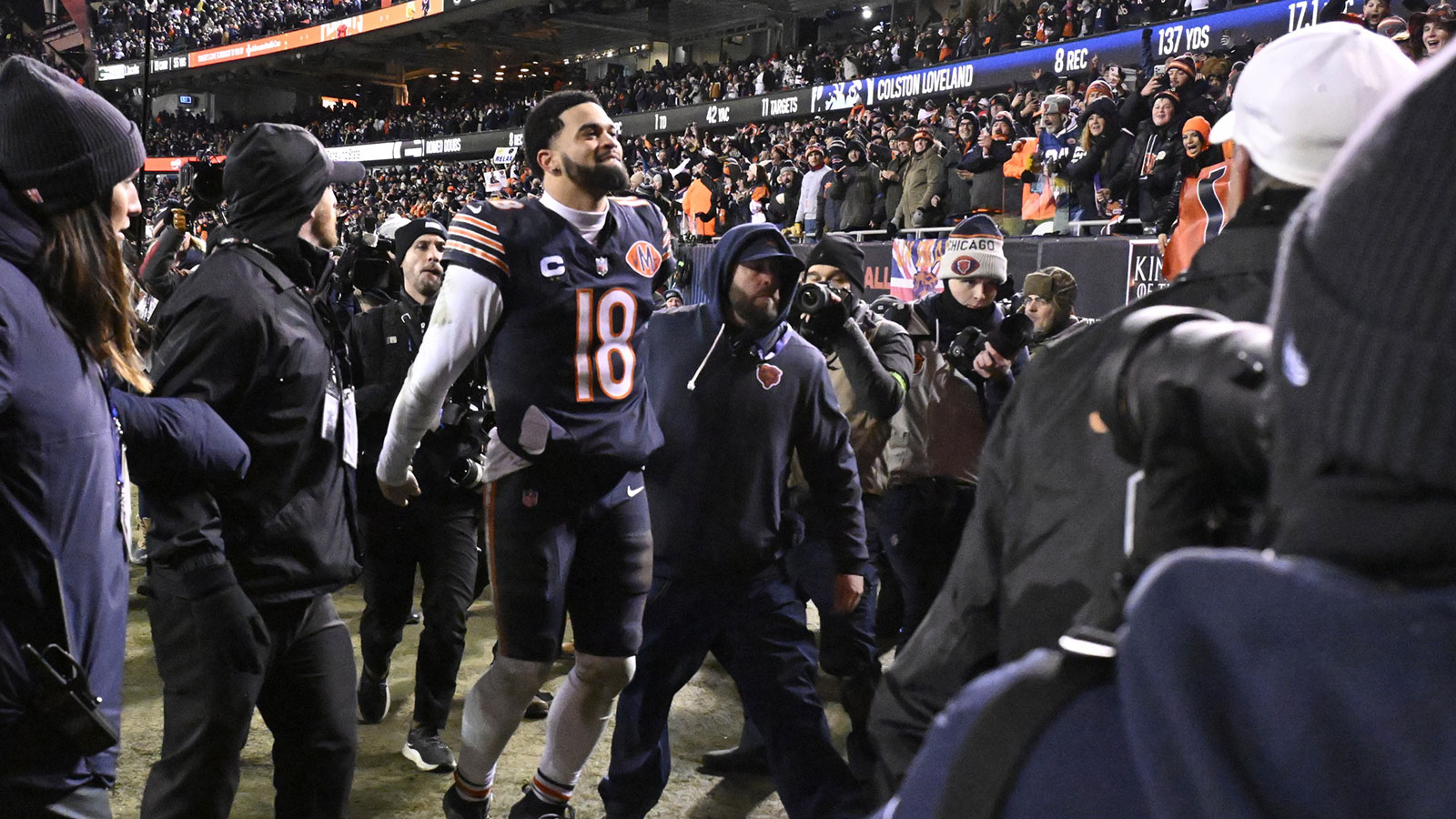
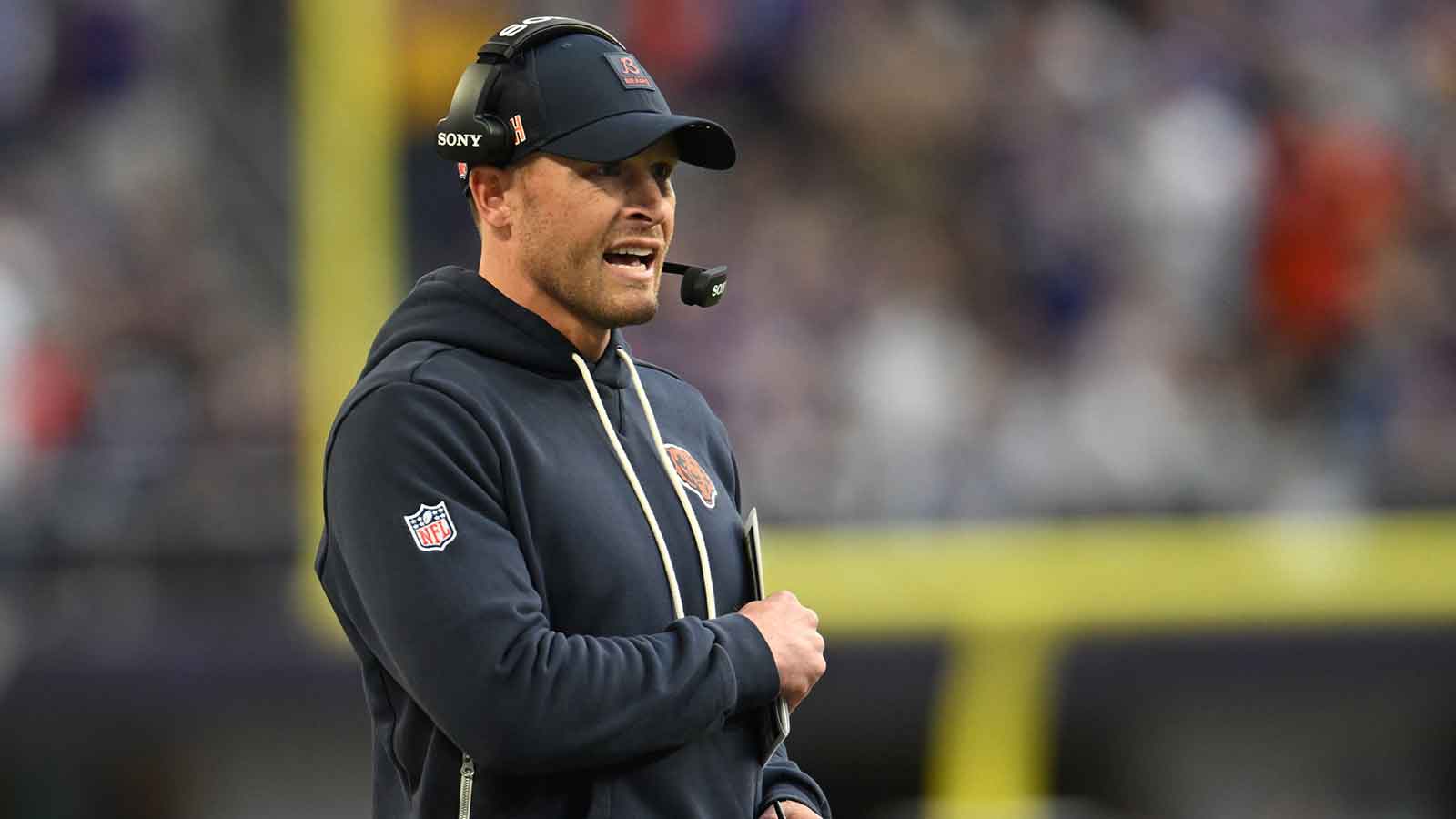
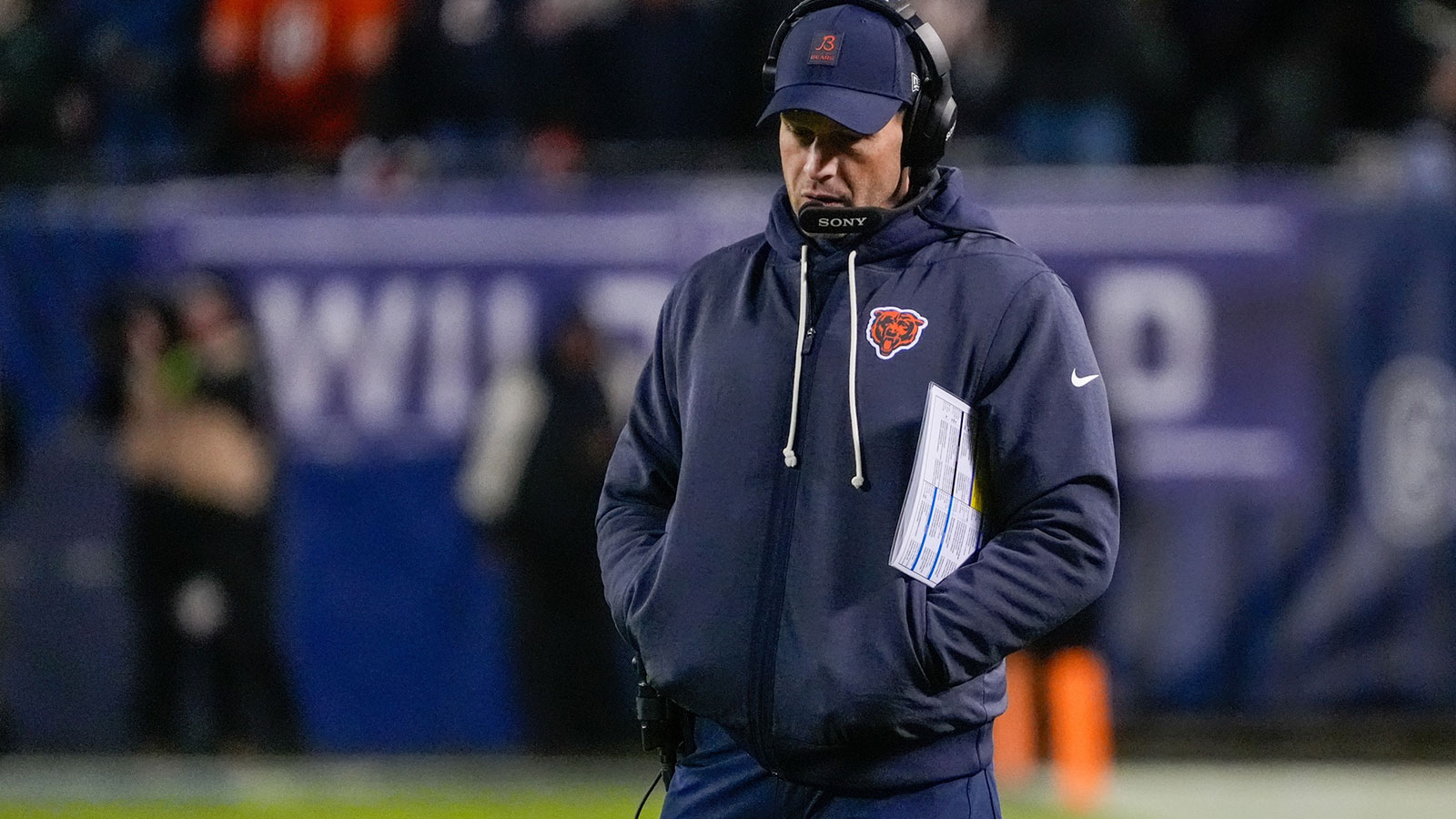
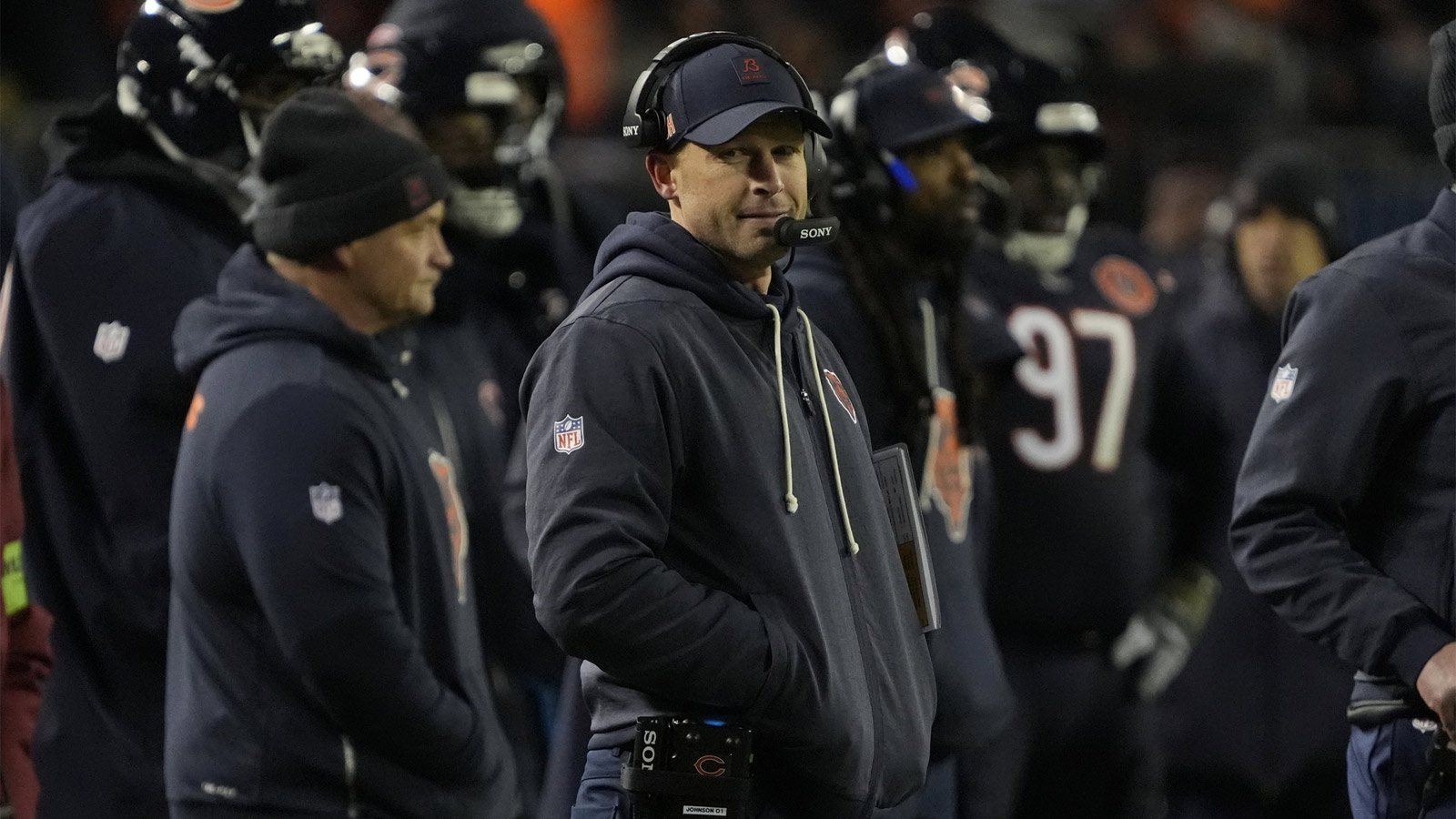
The 2025 season has already rewritten the Bears’ recent history. Under first-year head coach Ben Johnson, Chicago surged to an 11-6 regular-season record. They captured their first NFC North title since 2018. After stumbling out of the gate at 0-2, Chicago went 11-4 the rest of the way. The Bears leaned on a creative, aggressive offense and a defense that led the league in takeaways.
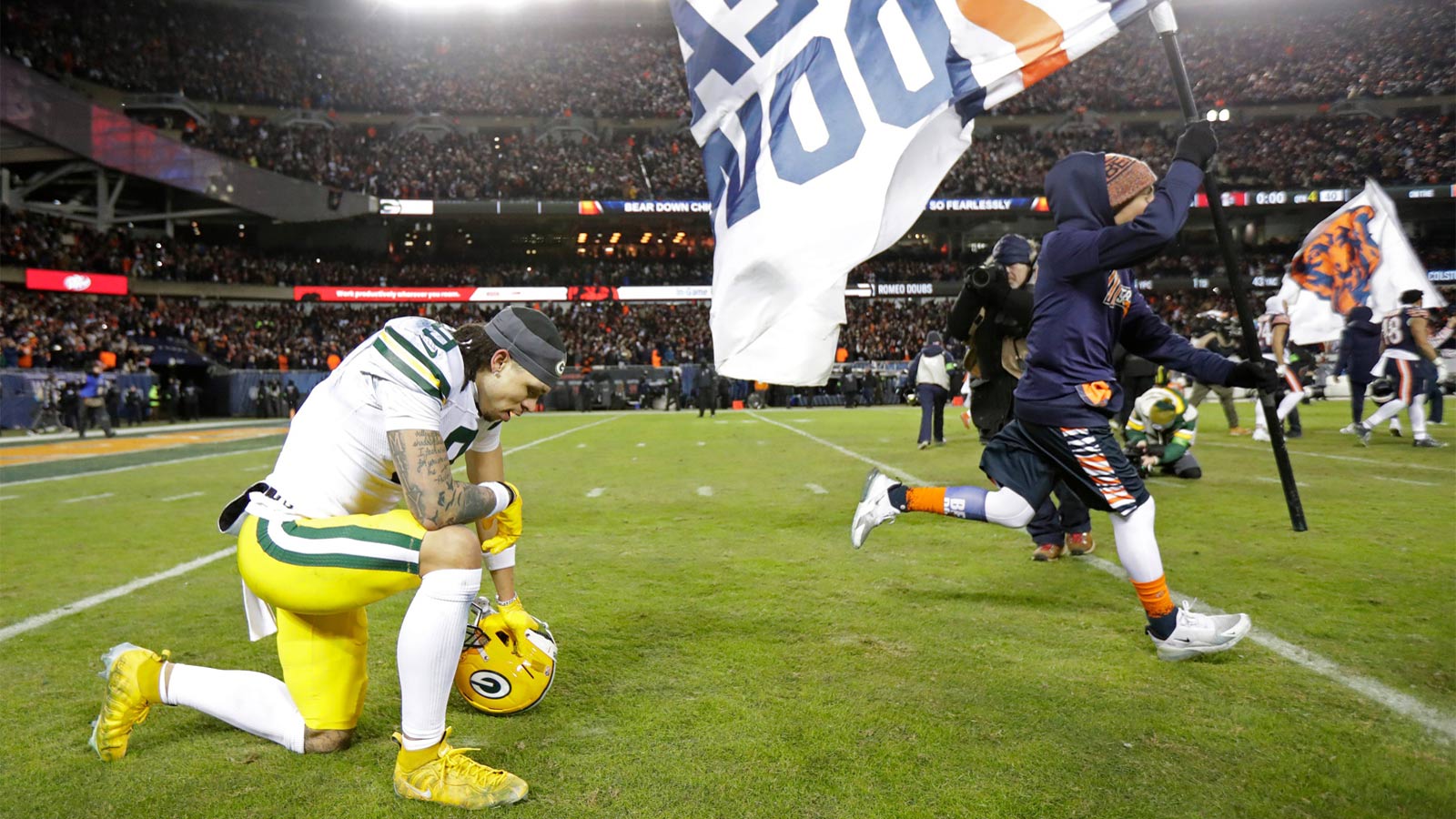
Quarterback Caleb Williams guided the turnaround with poise beyond his years. Meanwhile, a ball-hawking defense consistently flipped field position. That formula carried over into January, when the Bears erased a late deficit to stun Green Bay 31–27 in the Wild Card round. That secured their first playoff win since the 2010 season. Confidence is no longer theoretical in Chicago but lived experience.
Loaded with contrasts
The Bears now host the Rams in the NFC Divisional Round on Sunday night at Soldier Field. Los Angeles comes in fresh off a dramatic Wild Card victory of its own. It’s a classic styles clash: the Rams’ top-ranked offense versus a Bears defense that thrives on disruption rather than dominance.
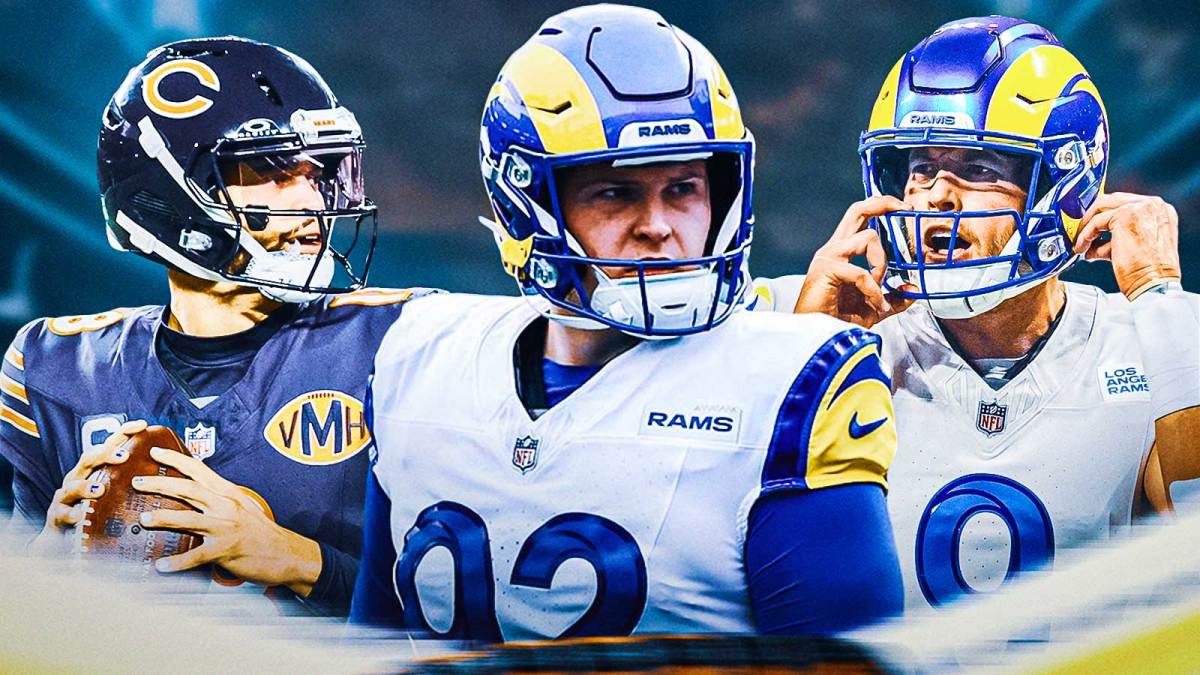
At quarterback, Williams squares off against veteran Matthew Stafford. The latter has been one of the league’s most productive passers this season. The Rams will try to stress Chicago vertically and force the Bears into shootout territory. Chicago, meanwhile, wants to slow the game. They want to protect the football and turn Soldier Field into the kind of uncomfortable environment that magnifies every mistake. That last part matters more than it usually does.
Here we'll try to look at and discuss the 1 dark-horse reason Bears could pull off upset of Rams in the Divisional Round.
Dark-horse factor
The single most overlooked reason the Bears could pull off this upset isn’t schematic or philosophical. It's actually environmental. Soldier Field has quietly been one of the most hostile kicking environments in the NFL, particularly for visiting teams. Wind patterns swirl unpredictably, and footing can deteriorate quickly. For kickers, confidence evaporates fast once a he feels even a slight gust off Lake Michigan.
Since the 2016 season, visiting kickers have made just 54 percent of field-goal attempts from 40–45 yards at Soldier Field. They have converted only 13 of 24 tries. League-wide, that same range typically hovers around an 81 percent success rate. That gap is massive, and in playoff football, that can be decisive.
Chicago saw it firsthand in the Wild Card round. Green Bay’s Brandon McManus missed both of his field-goal attempts despite converting three extra points. The Bears didn’t block kicks or pressure him unusually. In a strange way, the stadium itself did the work. Missed points forced Green Bay into desperation mode late, and Chicago capitalized.
Against the Rams, those factors loom even larger. A single missed kick can change fourth-down decisions, red-zone aggressiveness, and end-of-half strategy. Suddenly, the superior offense feels pressure to score touchdowns every time. That’s exactly the kind of stress an opportunistic defense welcomes.
Trust, not talent

To be fair, the Rams are not walking into Soldier Field with a liability at kicker. Harrison Mevis has been one of Los Angeles’ quiet success stories this season. Signed in November to stabilize a shaky unit, Mevis converted 12 of 13 field goals in the regular season and was perfect on extra points (39 of 39). Even his lone miss, which was a 48-yarder late against Seattle, didn’t rattle him. He later connected again to push the game into overtime.
Mevis carried that form into the Wild Card round. He drilled both field goals and all four extra points against the Panthers. On a neutral field, Mevis would be an unquestioned advantage. Soldier Field, however, has a way of flattening resumes. The issue isn’t talent but trust. How far does Sean McVay feel comfortable letting Mevis try from? Does a 44-yarder suddenly feel like a punt situation? Those micro-decisions ripple across an entire game plan.
Fitting Chicago’s identity
The reason this dark-horse factor works specifically for the Bears is that it aligns with who they already are. Chicago doesn’t need to outgun the Rams snap for snap. They just need to create moments. These can mean short fields, sudden swings, and psychological pressure. A missed kick does exactly that. It energizes the crowd, tightens the opponent, and feeds a defense that thrives on momentum.
If this game comes down to a handful of scoring opportunities, and playoff games often do, the conditions at Soldier Field could quietly tilt the math. It may not be dramatic or obvious. But it may be just enough.
Final thought
Upsets aren’t always born from star power. Sometimes they grow out of discomfort. On Sunday night, the Bears don’t necessarily need Soldier Field to win the game for them. They just need their home arena to be itself. If the wind starts dictating decisions and stealing points, Chicago’s path to the NFC Championship suddenly looks far less improbable than it did on paper.