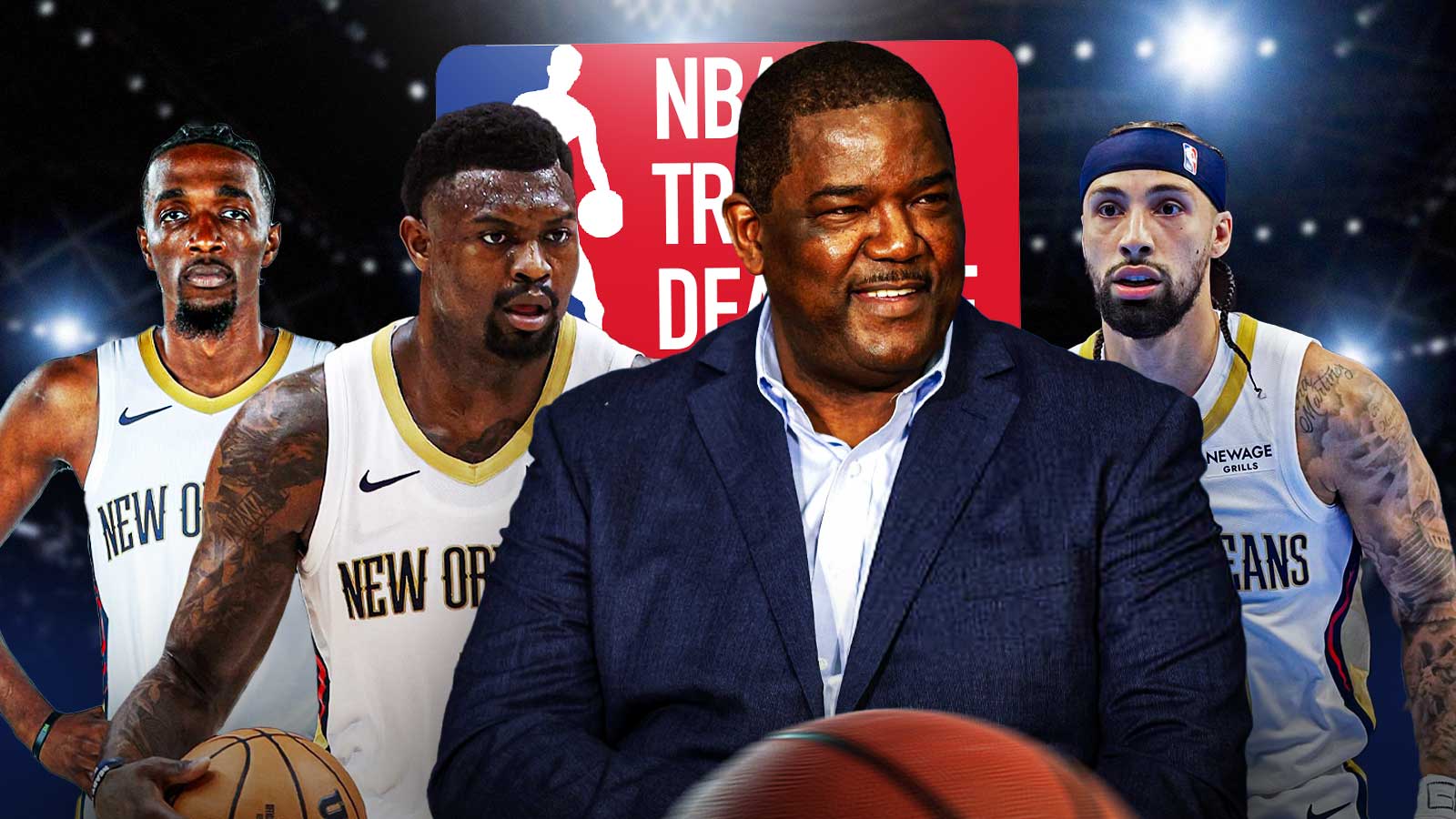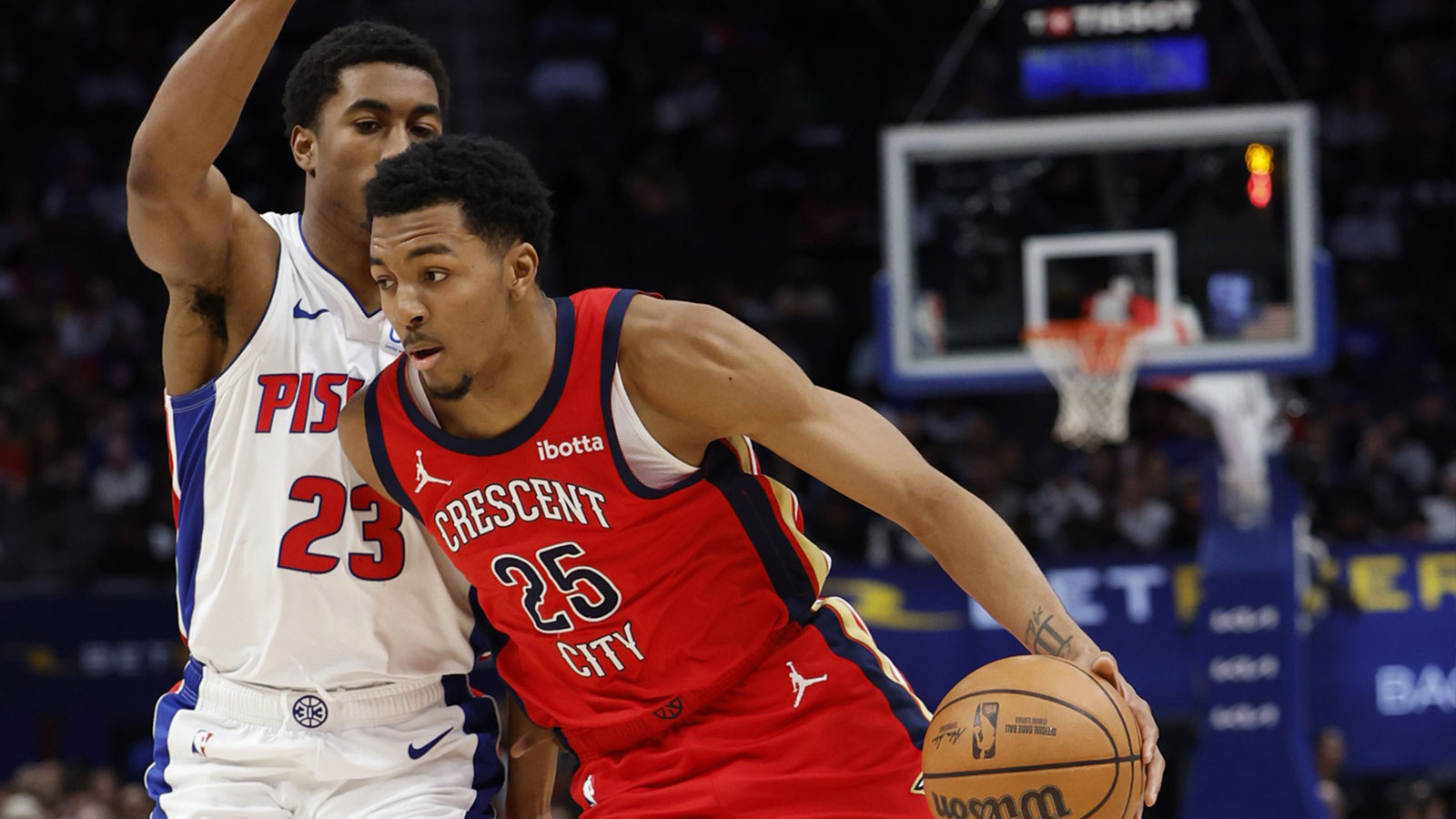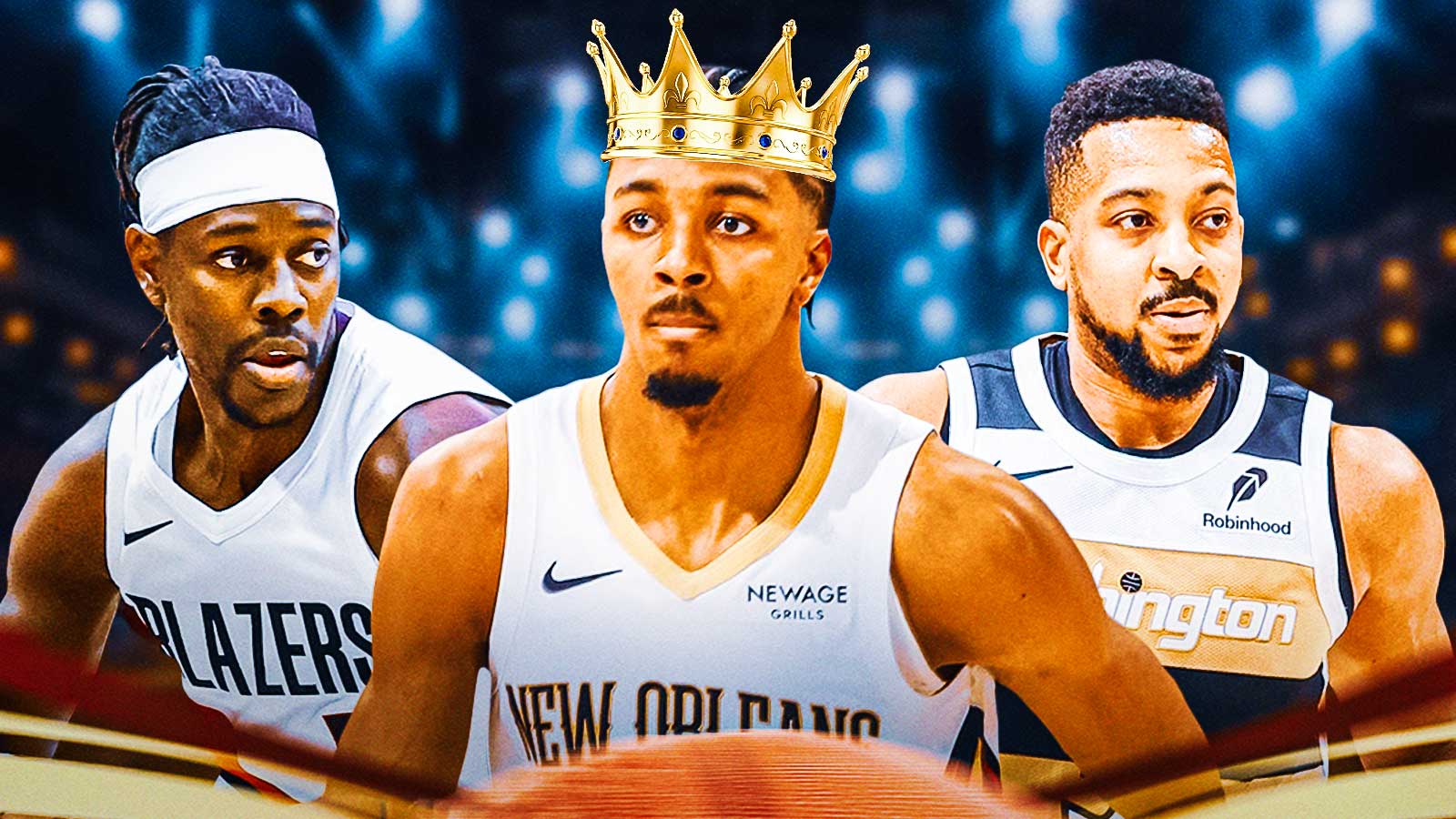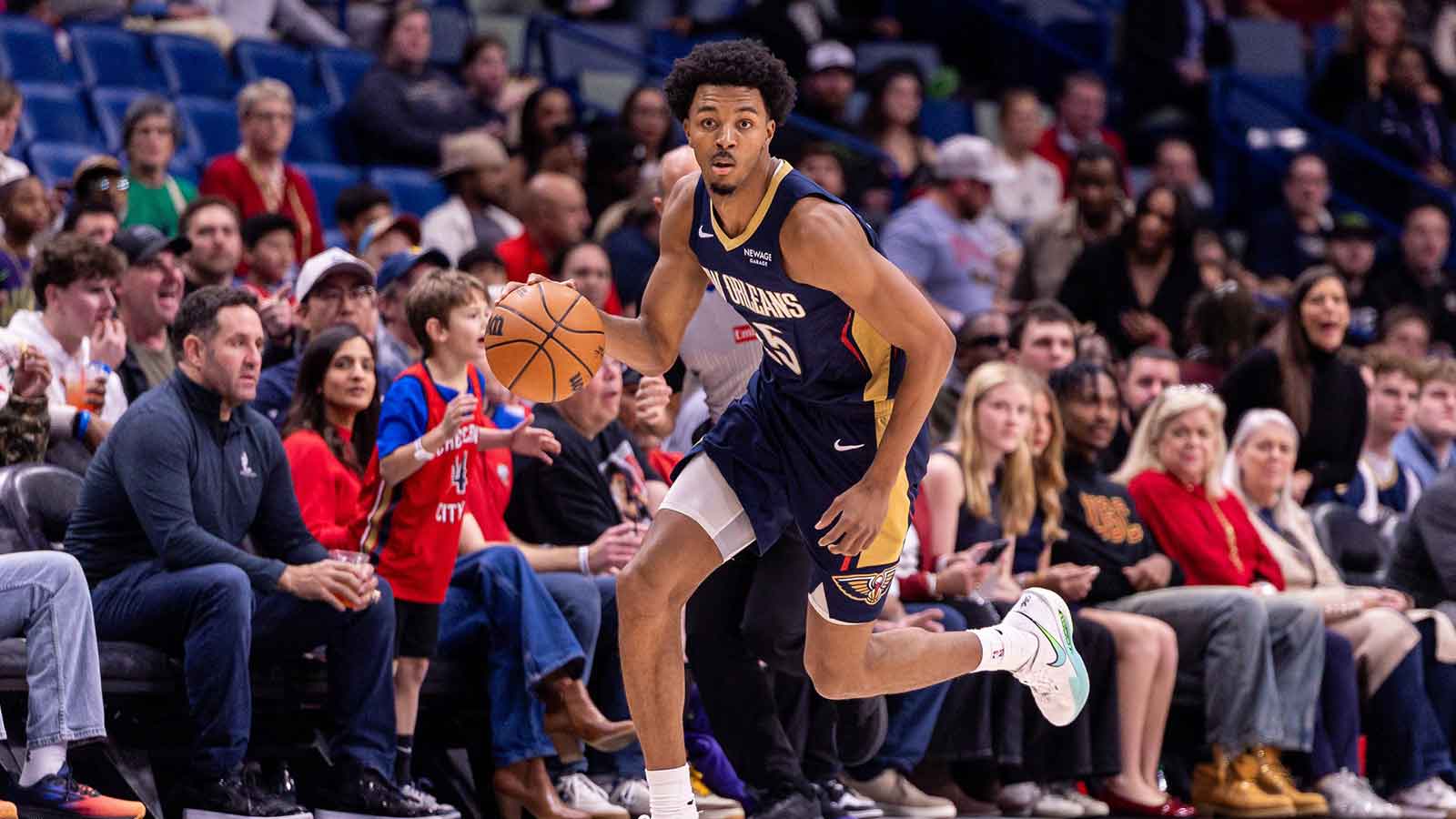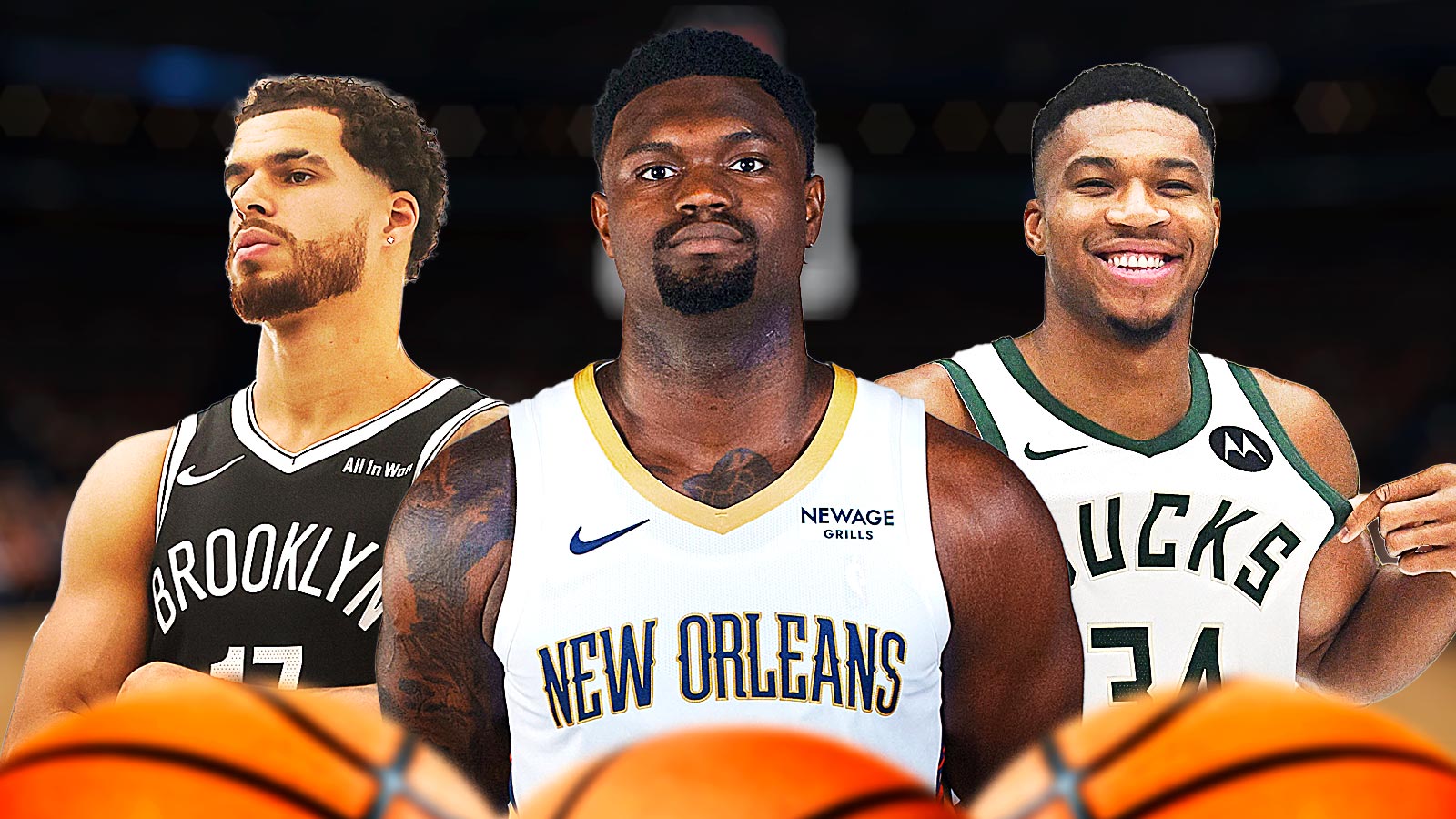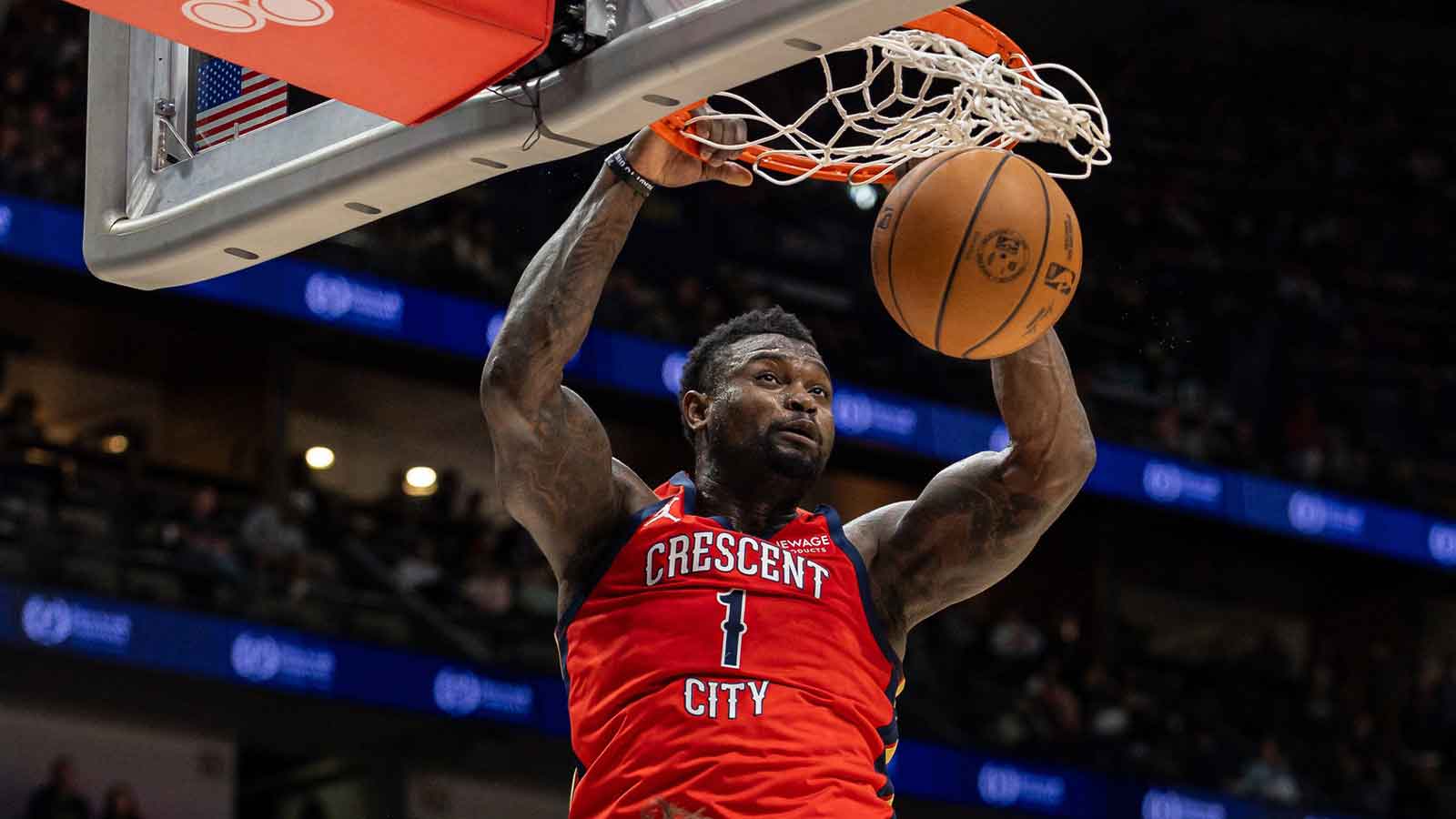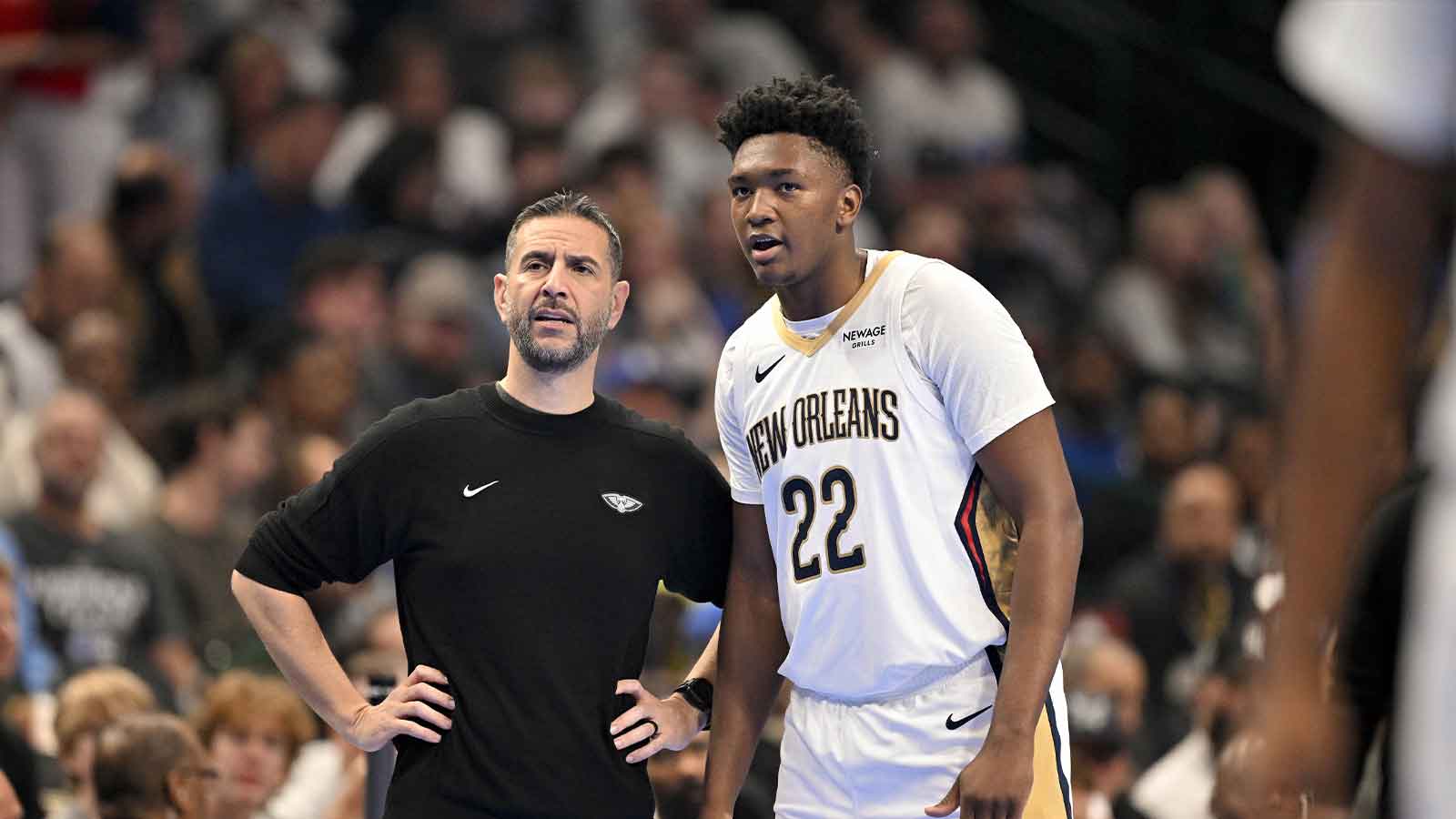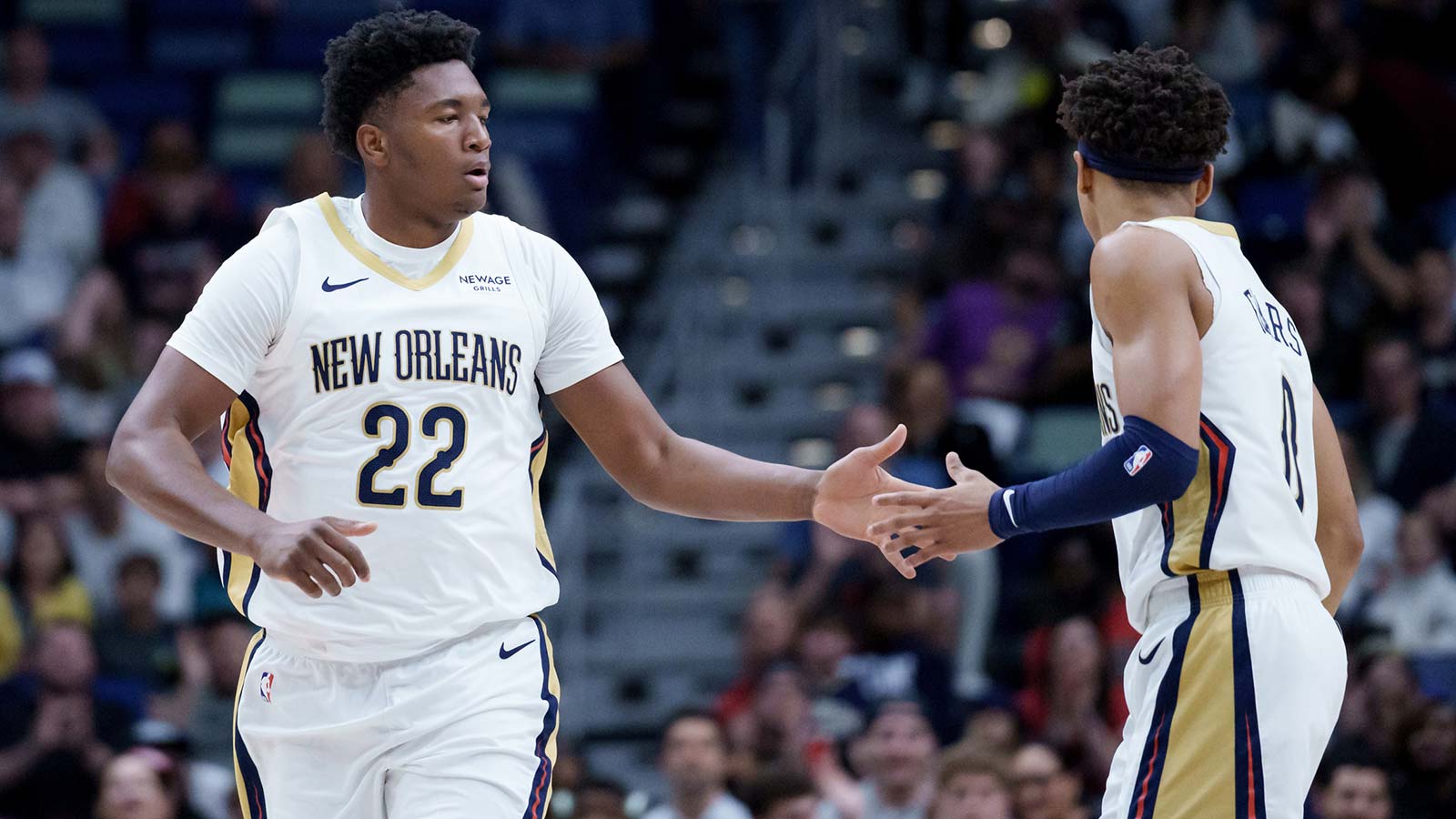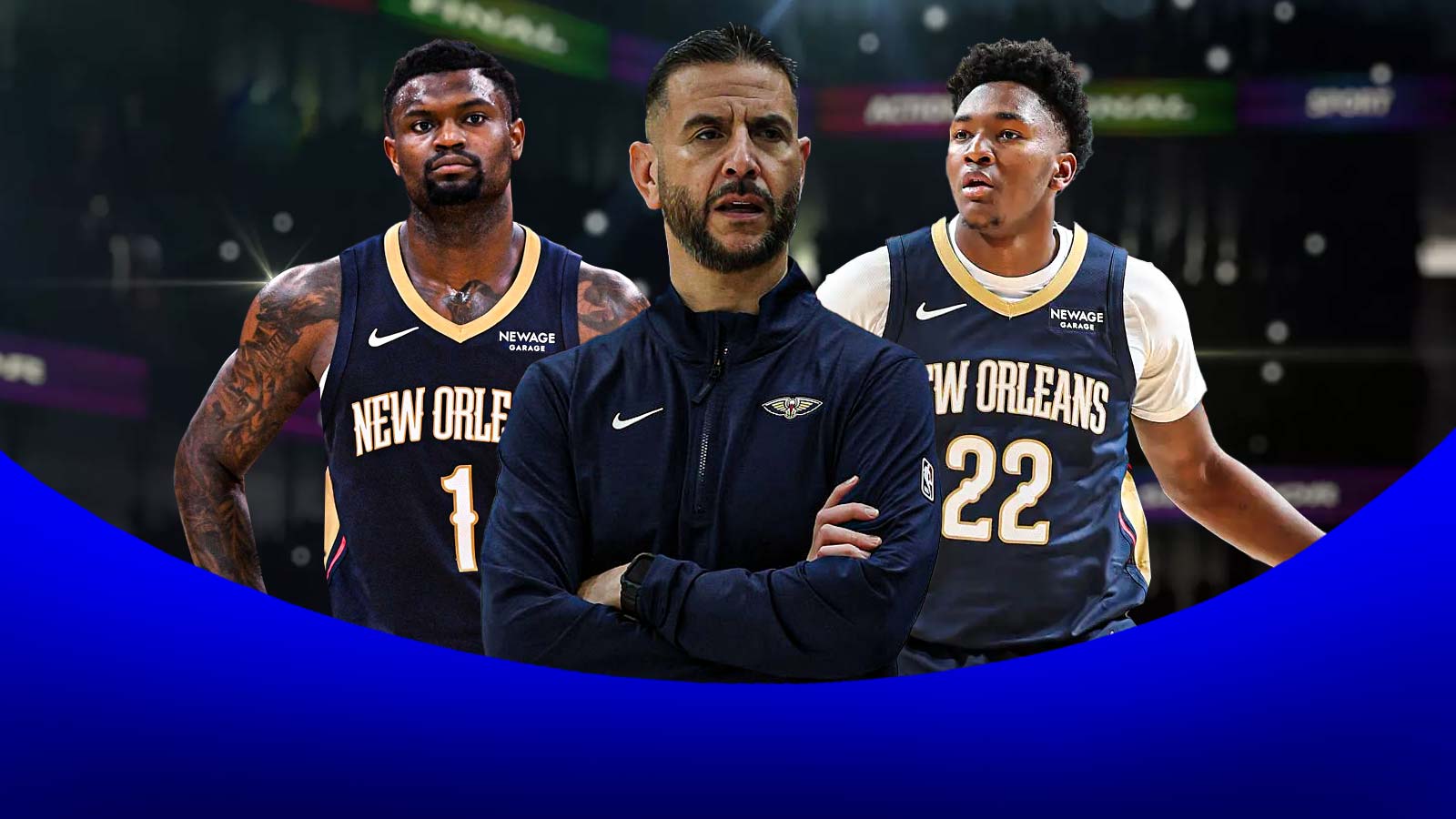
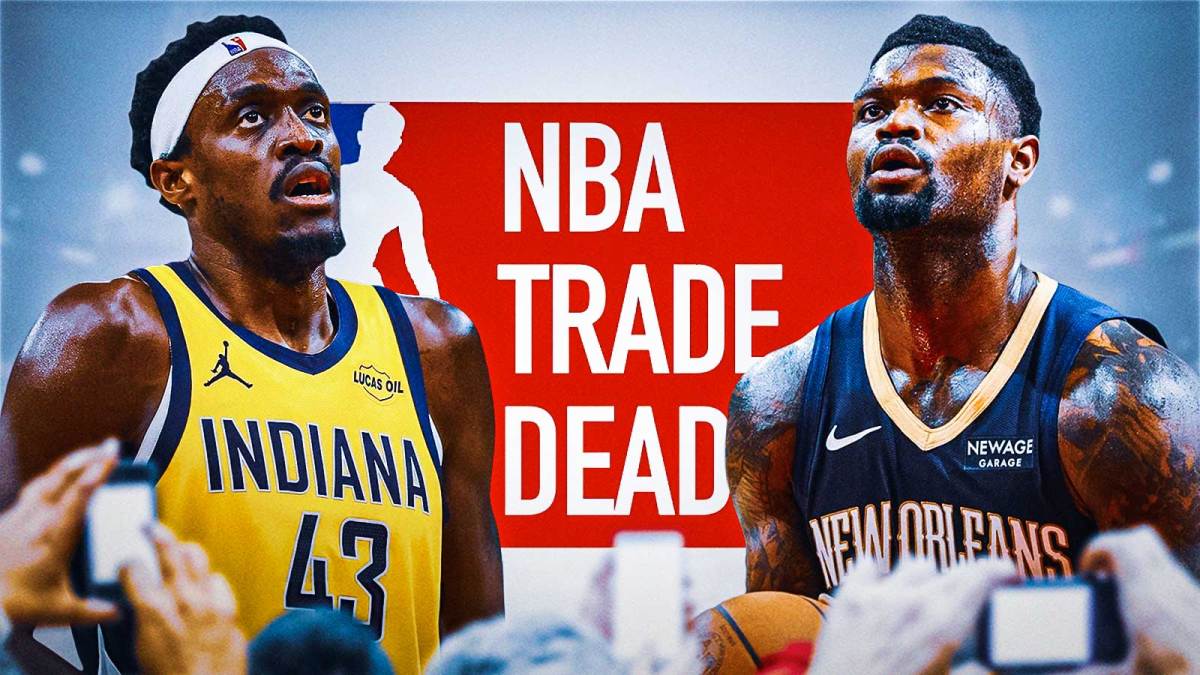
The line between NBA dynasty and draft-bust disaster is often drawn in the fragile ink of health reports and levels of realized potential. No two franchises have had to learn those hard lessons more than the Tyrese Haliburton's Indiana Pacers and Zion Williamson's New Orleans Pelicans. Both are flirting with last-place finishes to this season, though the Hoosier State at least got to experience an NBA Finals heartbreaker recently. Bourbon Street basketball has been dwelling in the basement since DeMarcus Cousins chased that rebound.
Haliburton should be healed up before training camp in September 2026, though the Pacers look to have fallen far behind other Eastern Conference contenders. Look at how the Boston Celtics are doing without Jayson Tatum. Cade Cunningham's Detroit Pistons are done playing are too. The Pacers need to make a move. Williamson has seemingly cleared a few hurdles, but is still going to need years to shake off an unreliable reputation. There is a buy-low, mini-reset opportunity begging to be explored.
- Pacers receive: Zion Williamson, Saddiq Bey
- Pelicans receive: Pascal Siakam, Jay Huff, 2027 first-round pick
This deal is a litmus test for two franchises standing at divergent crossroads. On the surface, it’s a swap of franchise forwards. Dig deeper, and it reveals a stark philosophical divergence. One team is prioritizing immediate stability, the other swinging for a home run that could either shatter the windows or open a championship vista for the rest of the 2020s.
Pacers pushing limits
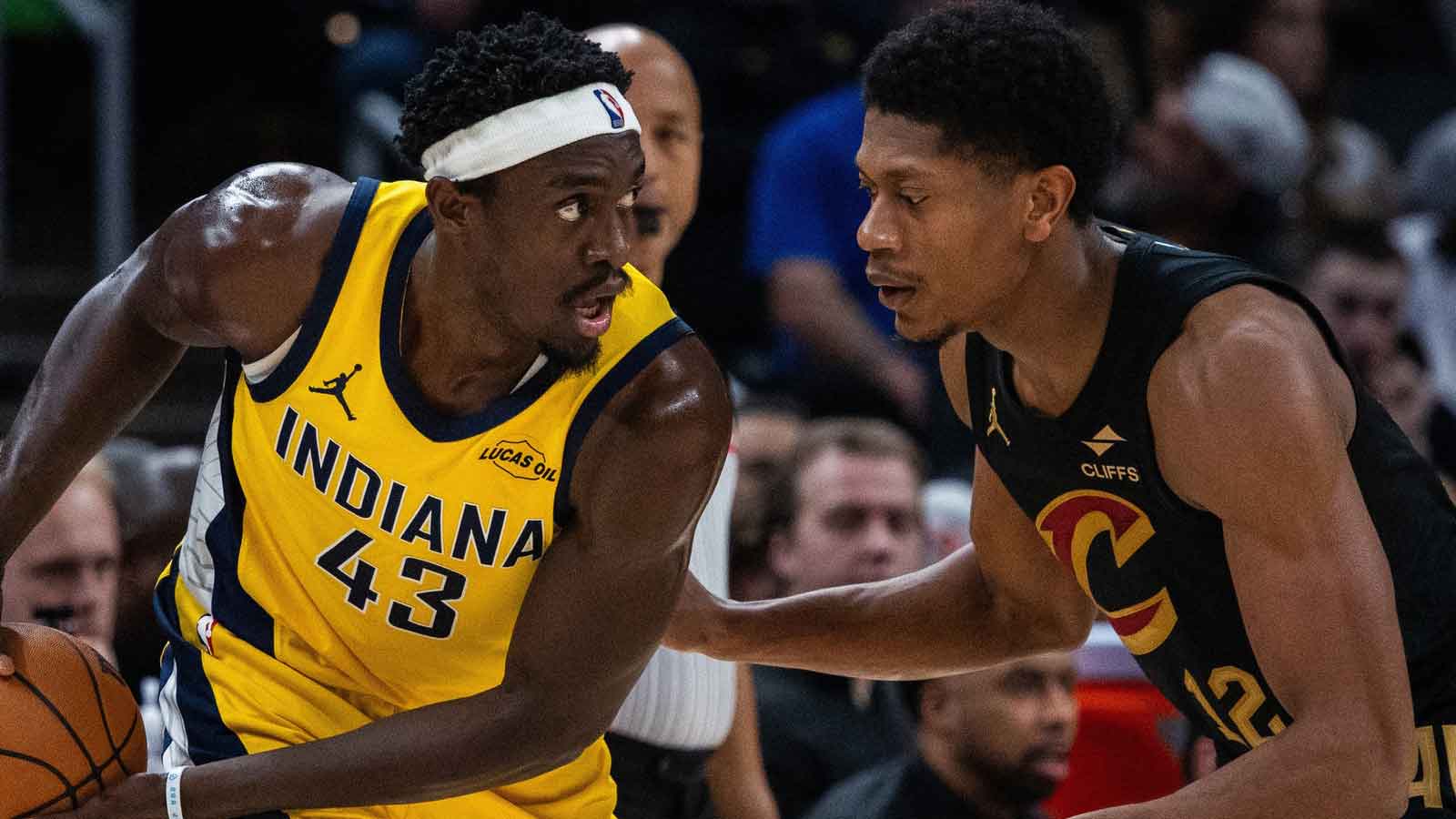
Indiana would be betting on two things simultaneously. First, Haliburton does not need to be an MVP candidate next season for the Pacers to remain competitive. Second, that even if Williamson misses time, the long-term upside is worth absorbing short-term uncertainty. That is the risk side of the ledger.
Fortunately, there are risk mitigations by way of young legs. Haliburton (25), Andrew Nembhard (25), Obi Toppin (27), Aaron Nesmith (26), and Bennedict Mathurin (23) form a foundation built for speed and scoring. However, the Pacers cannot expect Haliburton to play at an MVP level immediately next season. That does not make the All-NBA star any less valuable as a franchise centerpiece, but it does create a strategic question about how to maximize the years ahead.
Even the most gifted guards do not immediately sustain MVP-level impact year over year in their early 20s. There are pauses, recalibrations, and defensive adjustments that force growth rather than stardom by decree. The Pacers know this. Internally, they also know Siakam has already peaked. He is still very good, still reliable, but also not getting younger.
Siakam, a seamless and brilliant fit since his arrival, will be 32 this postseason. Indiana’s window is just opening, but with a 33-year-old Siakam for Haliburton's next NBA Playoffs run, is it a conference finals window or a true championship ceiling? That reality comes with tons of overlooked pressure to chart the right course amid a narrow window of buy-low opportunity. Get it wrong and Haliburton's time in the Hoosier State will be wasted.
Zion Williamson is a far better fit than Ja Morant or LaMelo Ball, the last low-value All-Stars on the market after the Trae Young deal. It’s a monumental risk, but one rooted in a logical, if aggressive, team-building premise. Acquiring elite talent at a potential discount and trusting your environment to maximize it is the only way small-market franchises hang championship banners.
Haliburton orchestrating an offense with Williamson as a devastating downhill force, surrounded by versatile wings and an athletic supporting cast all peaking together. It's a dream worth selling. Making the move now, rather than waiting until summer, allows the team to integrate Williamson into the system during the playoff push and evaluate the fit in real time.
Pelicans waiting out Zion Williamson
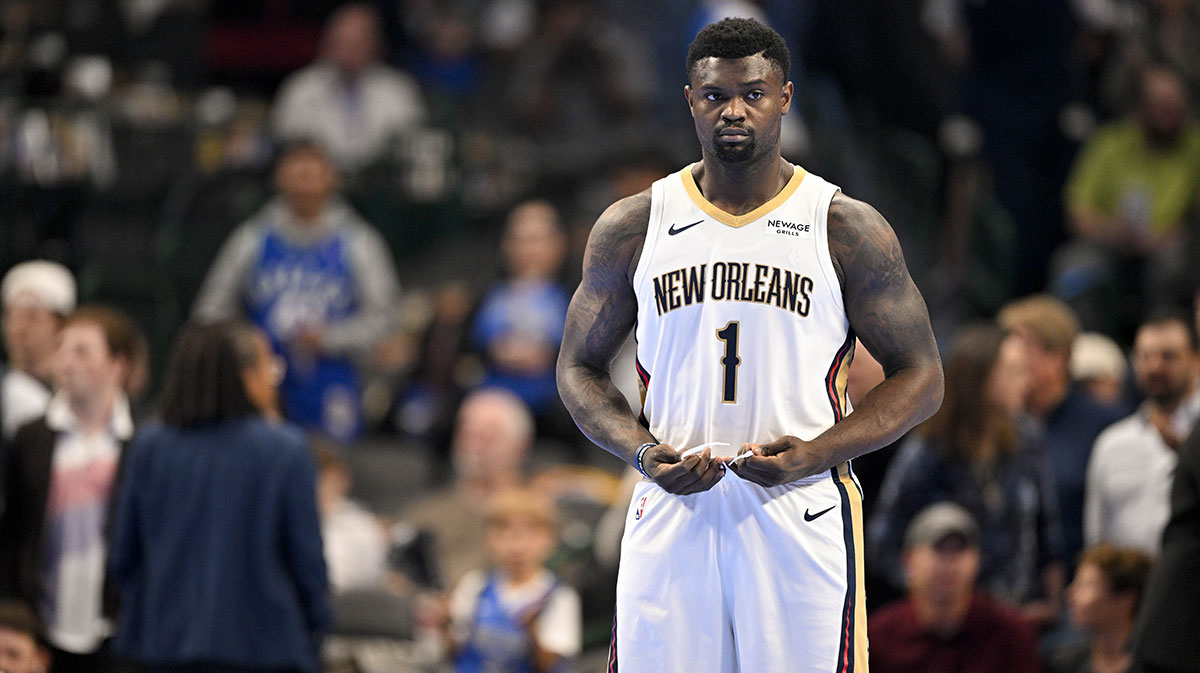
For the Pelicans, this trade is less about Williamson's perpetual tease and more about a tangible roster with potential to grow. Williamson’s genius has been shrouded in street clothes too often. The Pelicans have struggled with consistency for a decade, mostly missing the playoffs amid fan frustration over the two-time All-Star's absences. New Orleans has never leaned into a full rebuild either, going back to the Dell Demps young veteran strategy. Chasing the NBA Play-In Tournament is a dead-end circle to nowhere.
It's time to rip the band-aid off for a one-year fix akin to how the Saints did this season. Siakam, a two-time All-Star and 2019 NBA champion, would provide reliable production in a secondary role next to Trey Murphy III, Herb Jones, and Dejounte Murray. Rookies Derik Queen and Jeremiah Fears would have solid veteran pillars to lean on for the rest of this season. The group may even surprise us all and go on a run up to the 10th seed, especially if Jordan Poole's contract is flipped into something useful. No one else in the Western Conference seems to want that spot.
This move, as conceptualized, is about recouping value and engineering an immediate cultural overhaul. The Pelicans wouldn’t be left empty-handed. They’d receive a proven culture commodity in Siakam and a future first-round asset. Siakam could be shuffled to another team this summer if things do not work out. More importantly, they’d acquire a keystone for a new identity.
The premise sounds reckless at first blush. Zion Williamson for Pascal Siakam, a role player, and a single future first-round pick. A former first-overall pick whose availability has become a punch line for a soon-to-be 32-year-old champion with a reputation for professionalism and reliability. For a franchise that has spent years explaining why patience is still warranted, this is the kind of swing that invites skepticism before it invites applause.
When you peel back the layers, this is not a desperation play. A starting five of Murray, Jones, Murphy, Queen, and Siakam would not ignite national debate shows, but it would compete every night. In New Orleans, that consistency would be noticed and appreciated.
Swapping Siakam for Williamson is a bet on a higher ceiling and a better alignment within each franchise's windows. It is a timing play. Indiana's logic is built around timelines and ceilings. That timing, almost more than talent's market value, is what makes this hypothetical trade between the Pacers and Pelicans compelling. Indiana’s problem is not a lack of stars. It is the clock, especially on Haliburton's supporting cast.
New Orleans just wants to start one that is not broken, with Williamson seemingly right only twice a season for a short spell. Getting a draft pick and watching someone else suffer through the agonizing what-if scenarios sounds about right to end the Zion Era.