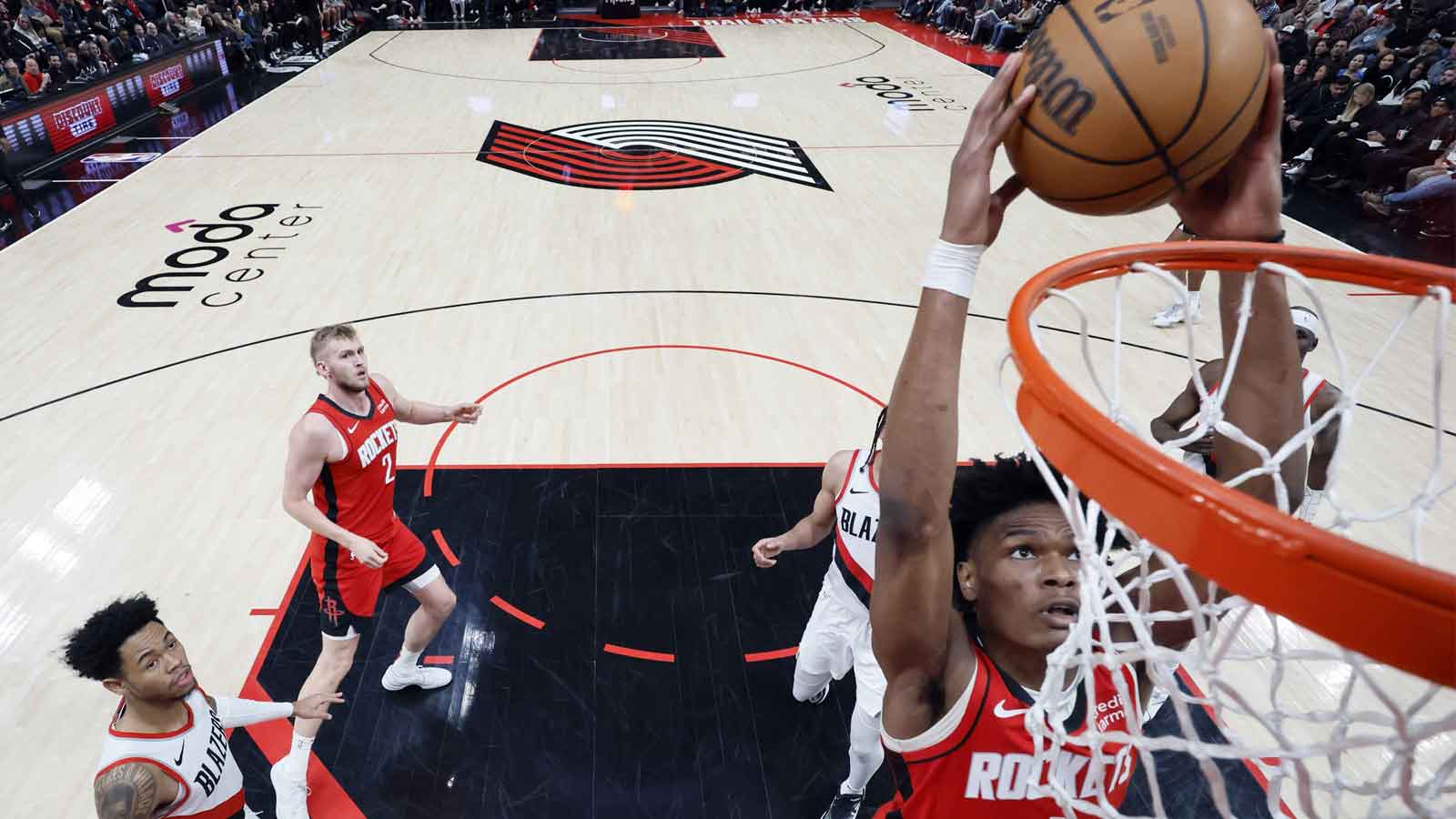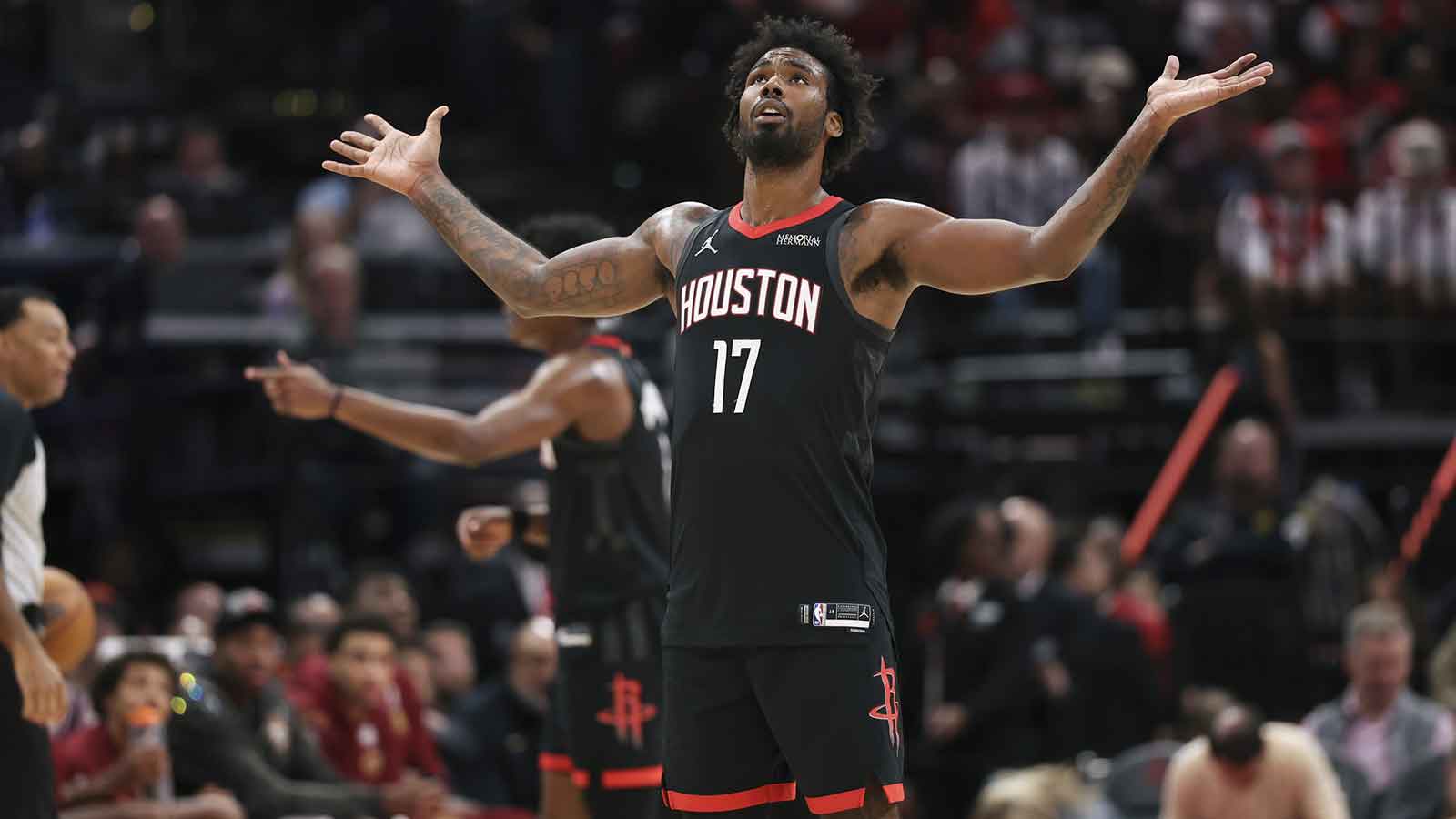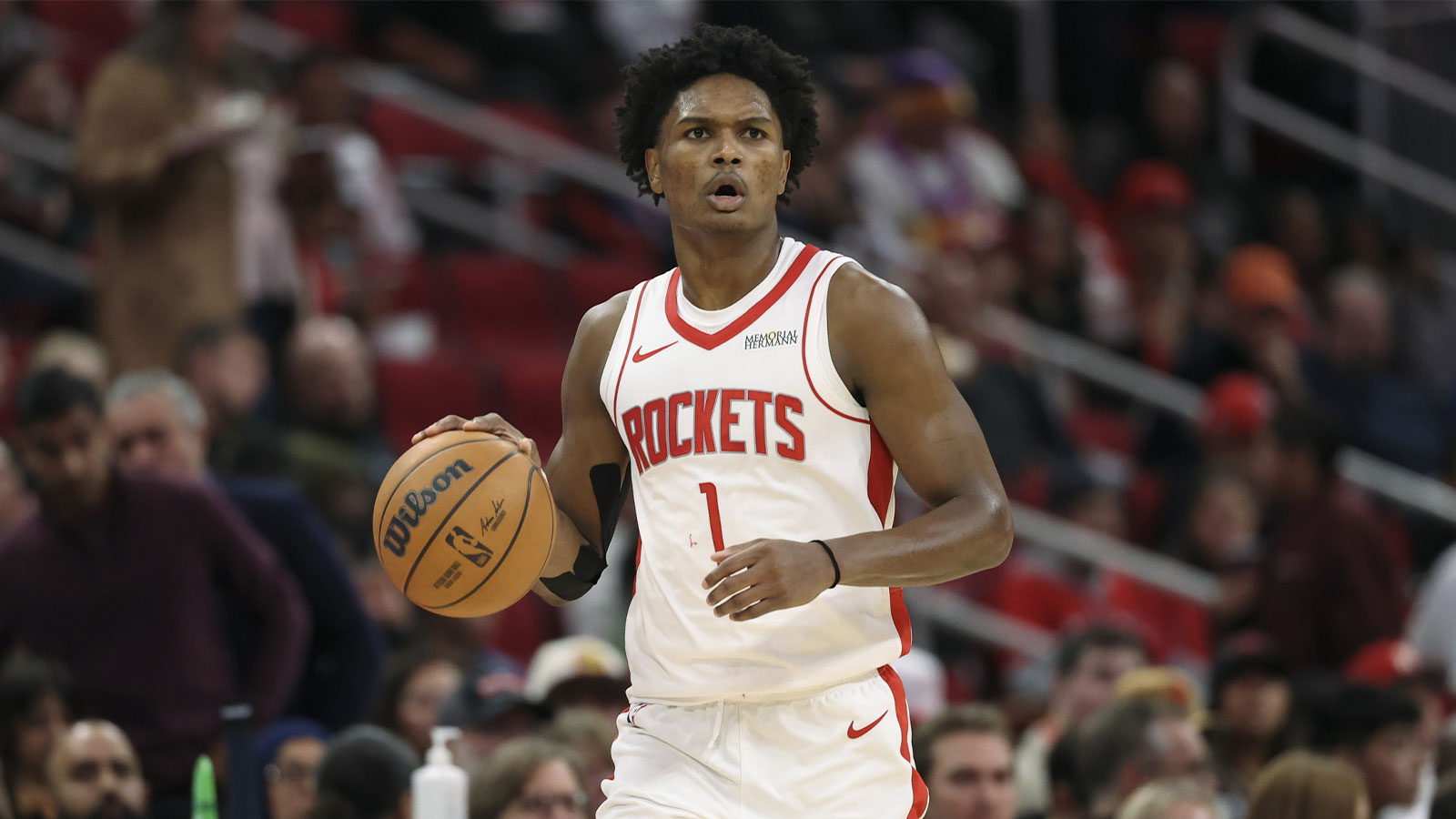
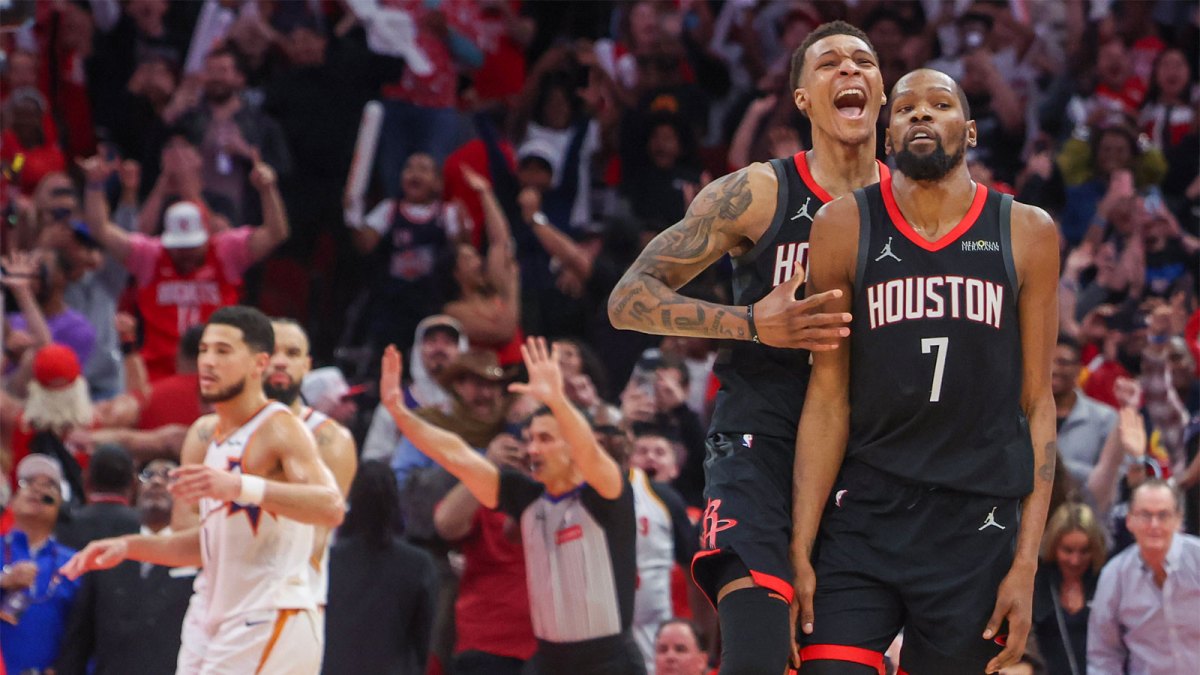
When the Houston Rockets selected Jabari Smith Jr. third overall in the 2022 NBA Draft, some believed it was a steal. Smith had been discussed as a potential No. 1 pick before the Orlando Magic pivoted to Paolo Banchero.
But in the four years since, the top three picks of that draft have come to resemble an old SAT question: which one of these is not like the others?
Banchero has averaged more than 20 points per game in each of his four seasons, establishing himself as the star of the Magic. Chet Holmgren, who was selected second overall, finished runner-up for the Rookie of the Year and later helped the Oklahoma City Thunder secure an NBA championship.
Then there’s Smith.
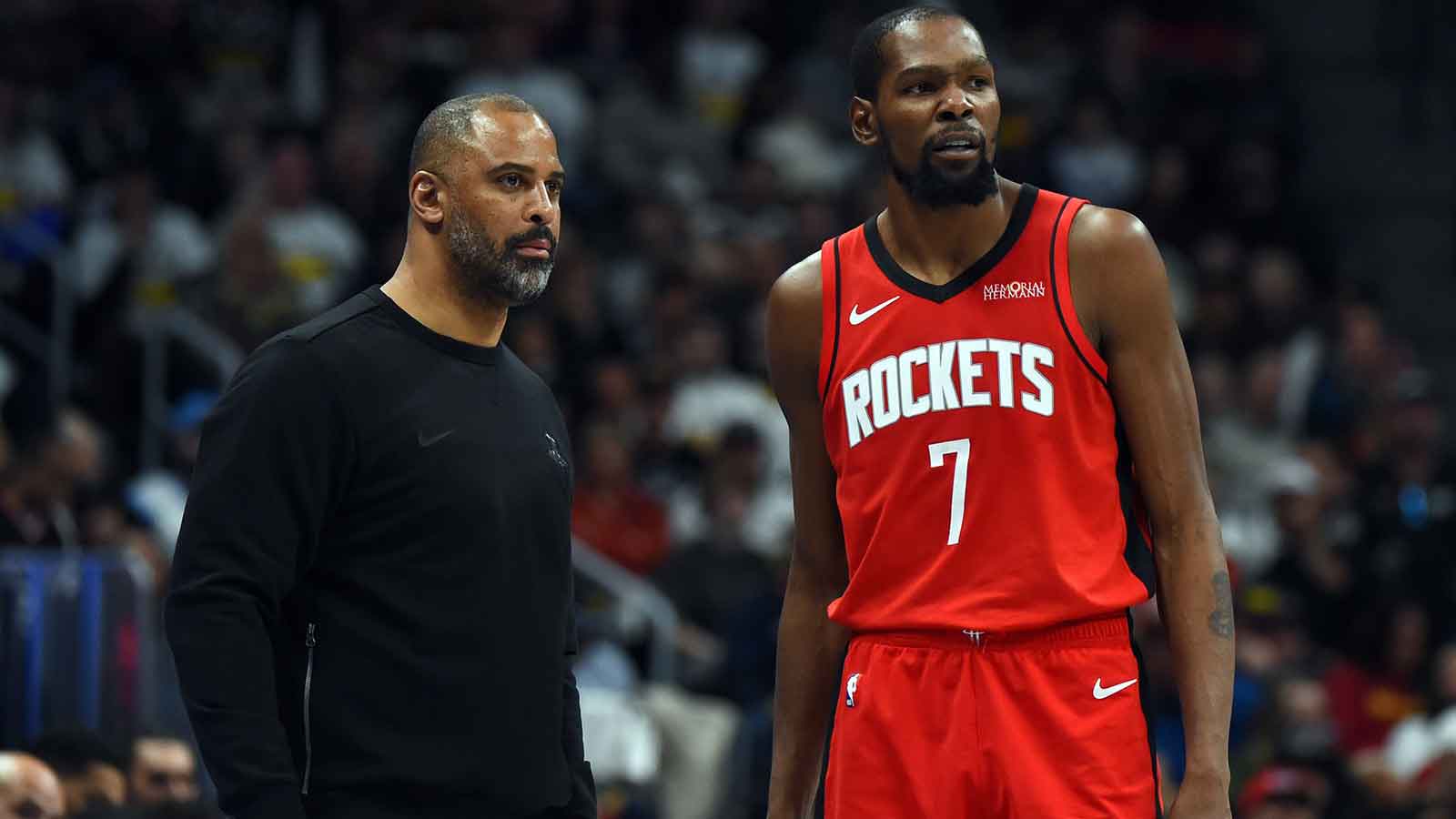
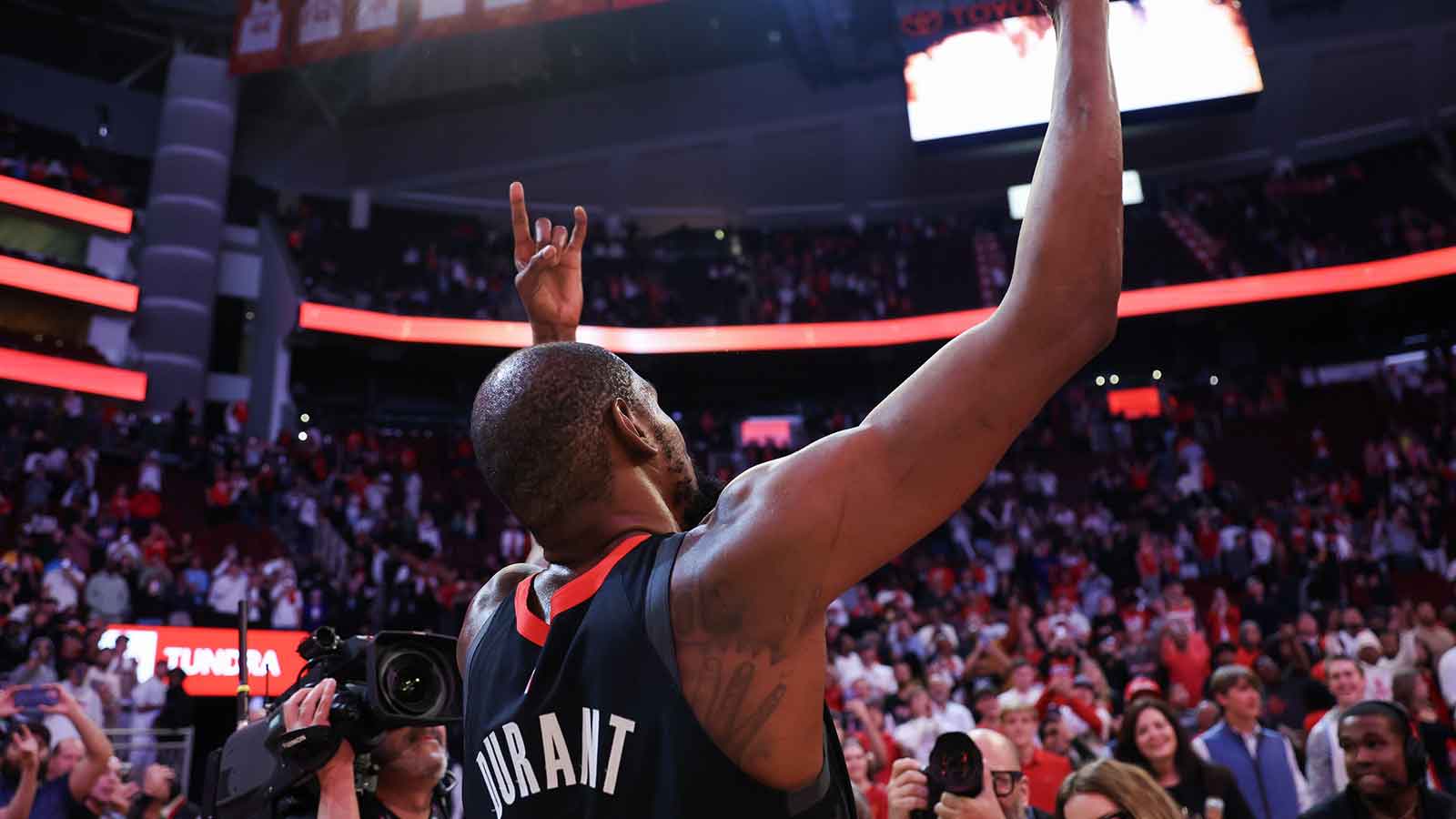
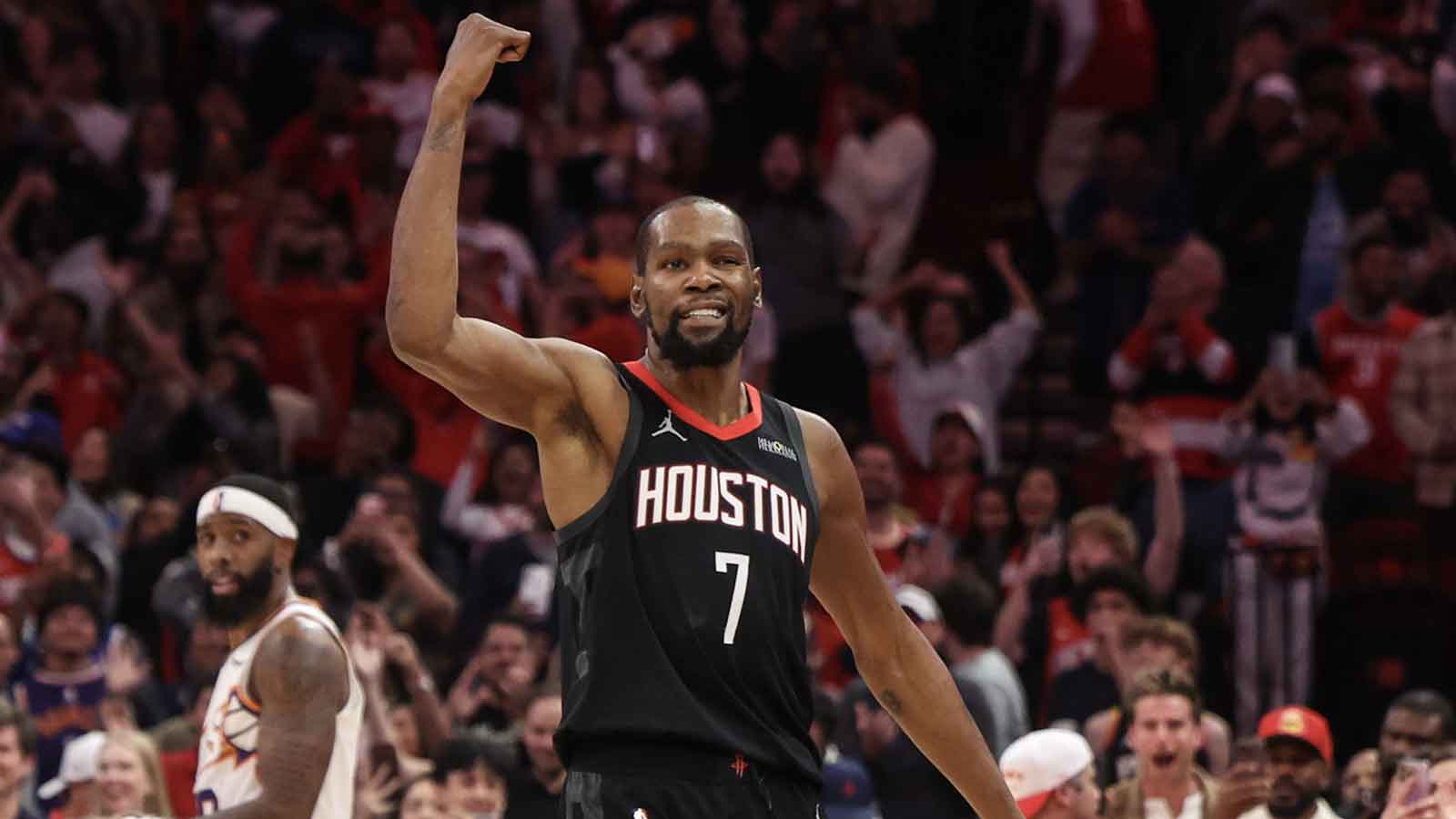
He’s averaged just 13 points per game for his career, while Alperen Sengun has surpassed him to become Houston’s centerpiece and prompting the Rockets to bring in Kevin Durant.
But that Durant addition was also believed to be the development catalyst that would unlock Smith. So much so that the Rockets handed Smith a five-year, $122 million extension this past summer.
Smith and Durant have trained together for years, fueling comparisons and optimism that Smith could grow into a younger version of Durant.
And while Smith is currently averaging a career-best 15 points per game, the deeper metrics tell a different story.
Smith is getting plenty of open looks due to Durant’s gravity, the most on the team in fact, but just isn’t capitalizing. He’s shooting 32% on 3-pointers and just 40% on open shots inside the arc. By NBA tracking standards, an ‘‘open’’ shot is one with the closest defender 4-6 feet away. Shots Smith, whose greatest trait is shooting, should knock down at a far higher rate. Especially when they account for 31% of his total attempts.
It’s a big reason why he hasn’t shown much progression, as Smith’s shooting percentages are pretty much the same as they were in his second season, showing little development. His 3-point percentage this season (36%) mirrors his second-year mark, while his two-point percentage has dipped from 53% to 52%. His overall field-goal percentage has also declined, from 45% to 44%.
The step forward the Rockets expected has yet to materialize.
Instead, it’s been Tari Eason, a player with a similar skill set (defense and outside shooting), who has shown greater consistency and value.
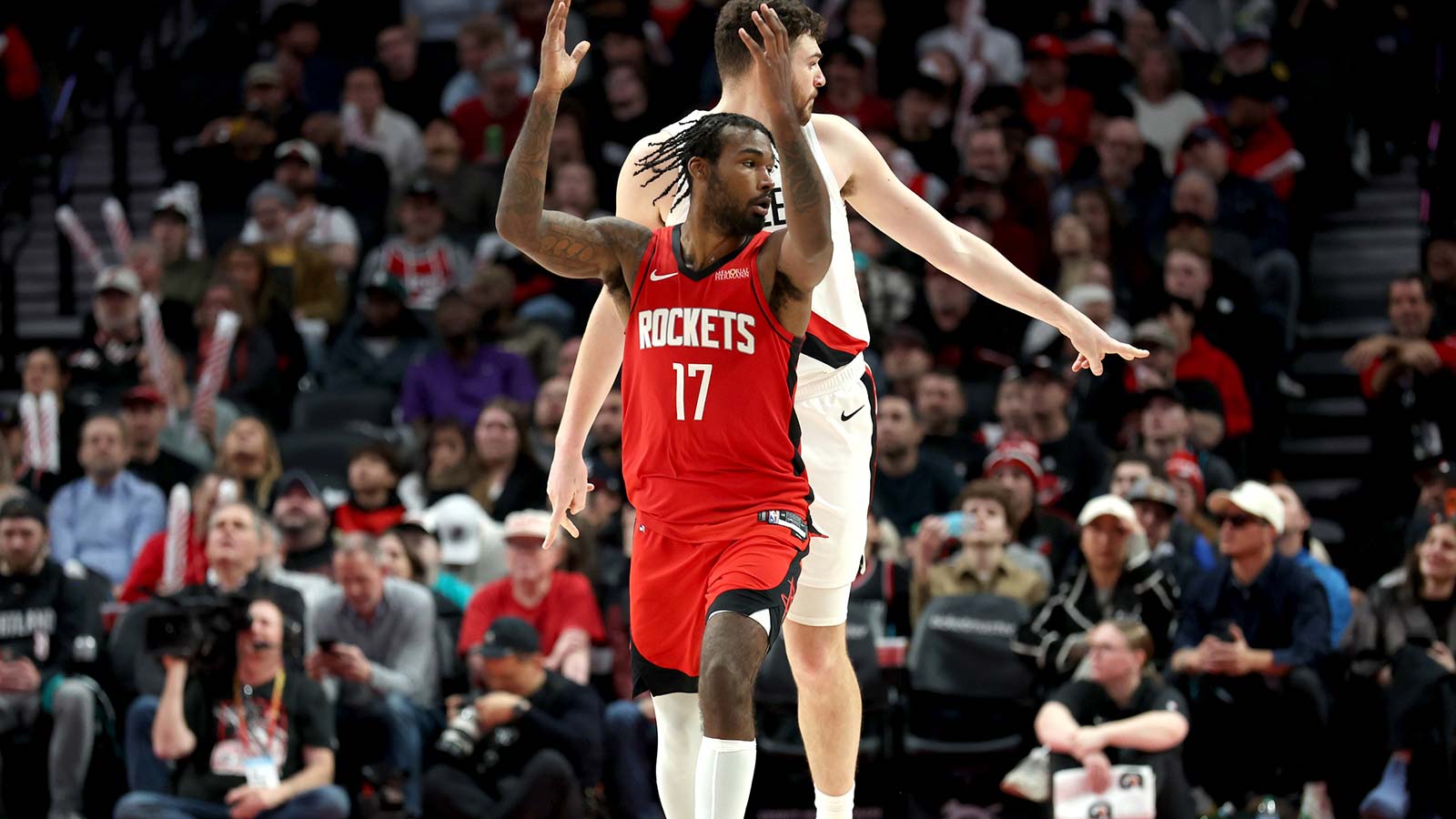
Eason is shooting a career-best 47% from beyond the arc and was the one who nearly made the game-winning play Wednesday night in Portland. Houston has gone 6-2 since inserting Eason into the starting lineup.
And with Sengun sidelined, the Rockets would love to see Smith step up and seize a larger offensive role. Instead, he shot 2-for-13 in two of the three games without Sengun and is hitting just 22% of his three-point attempts during that stretch.
When the Rockets have needed him most, he hasn’t answered the call. In losses, Smith is shooting 35%, compared to 51% in wins. His offensive rating is 134 in victories, but just 104 in defeats.
If Durant’s addition isn’t enough to unlock the next level of Smith’s game, it might be fair to wonder what will.