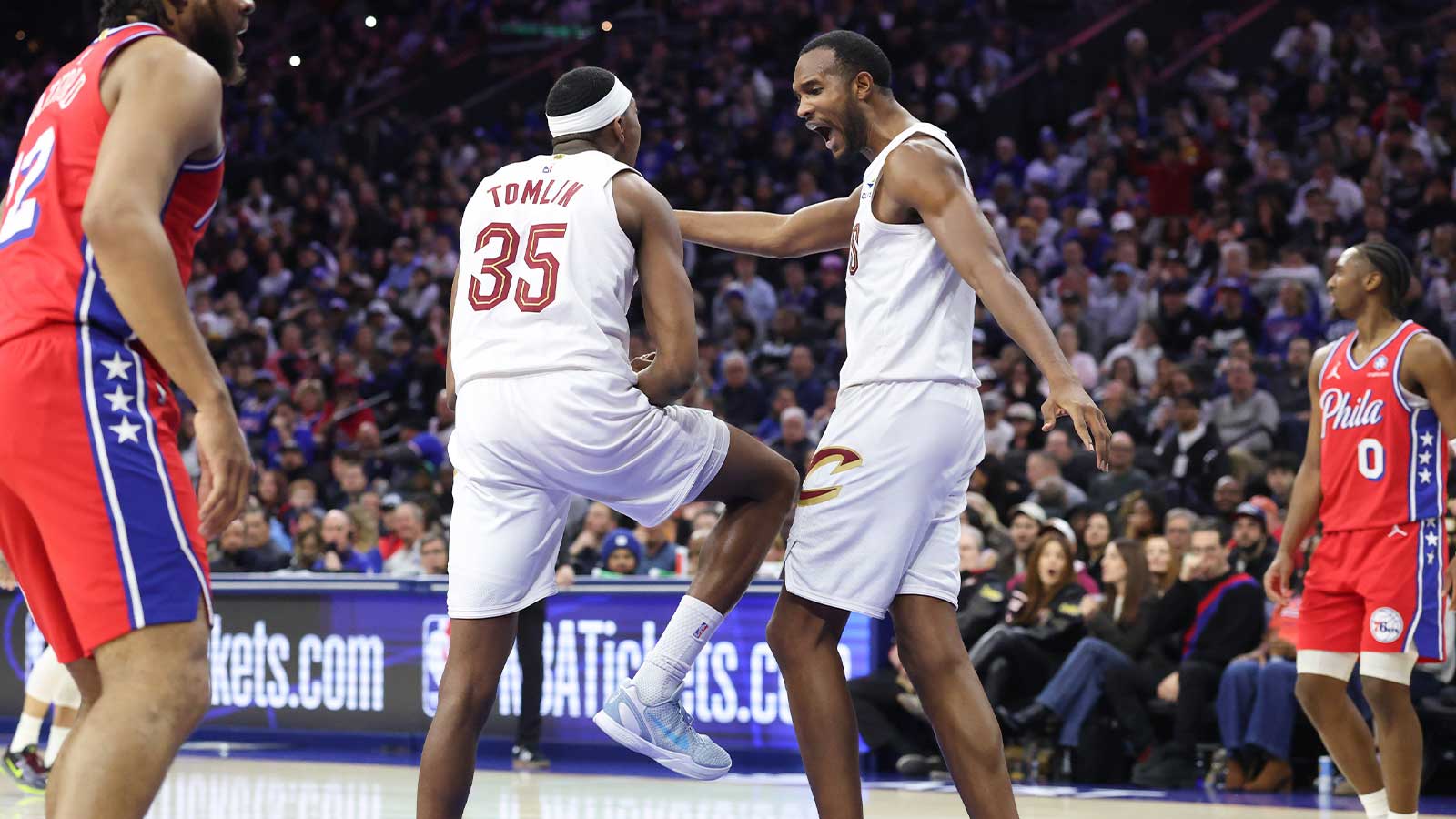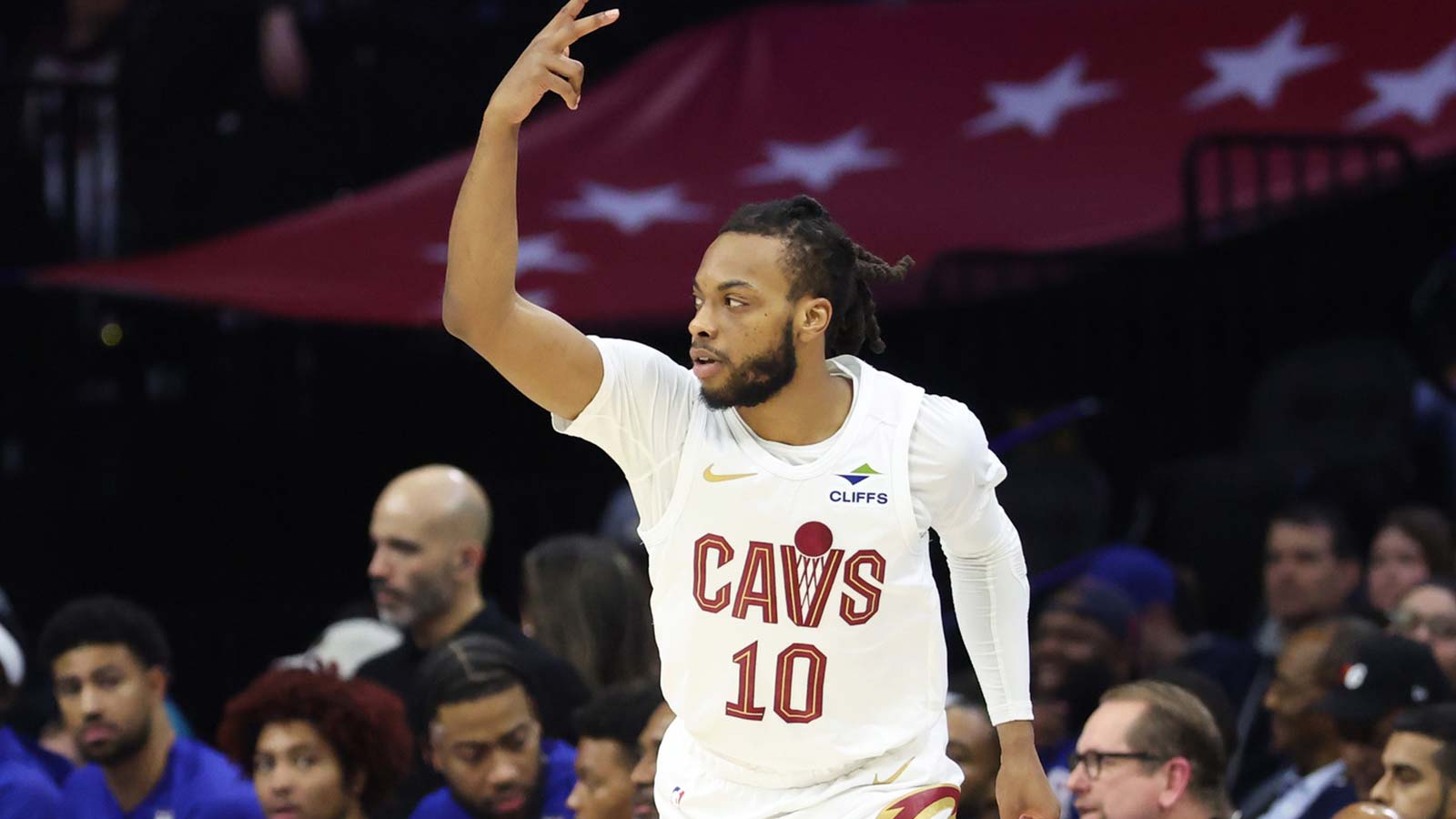
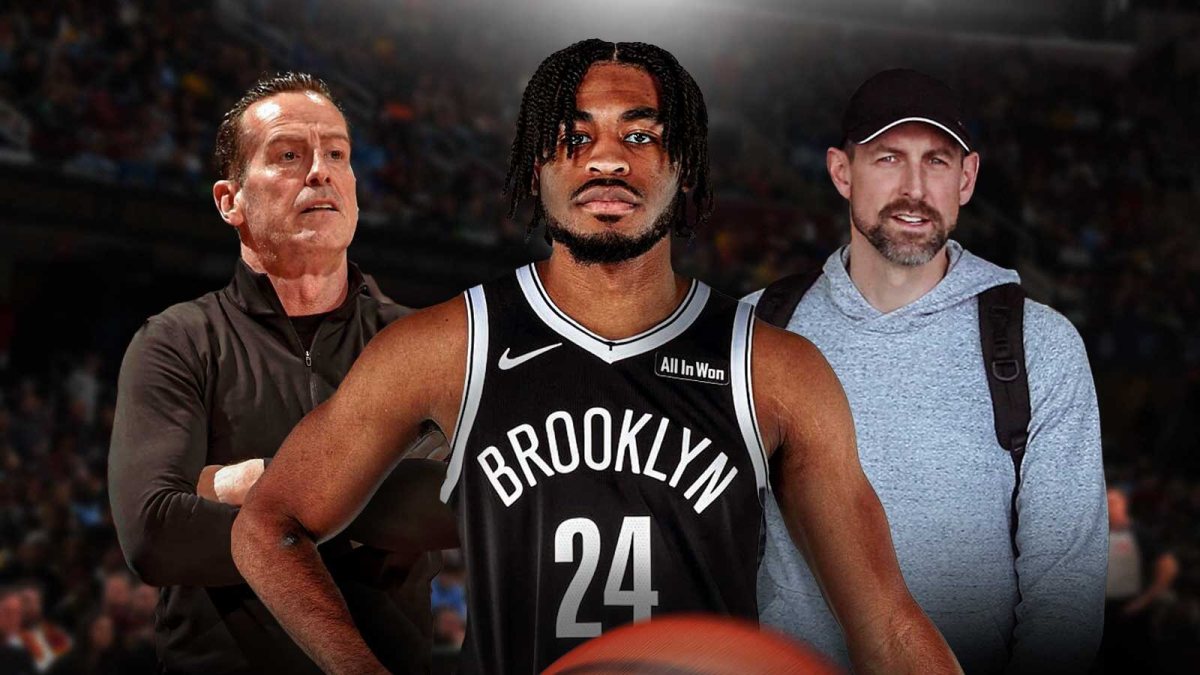
Teams must remember that sometimes, fixes feel worse than the problem. The most dangerous deadline moves are the ones that initially feel productive. The Cleveland Cavaliers are learning that lesson the hard way in 2025-26. A year removed from a historic 64-win campaign, Cleveland is still good. They are, however, no longer special. As frustration builds and the February 5 trade deadline approaches, the temptation to chase a quick spark has grown louder. The nightmare scenario for this team isn’t inactivity. It’s making a move that worsens the team’s balance, defense, and long-term flexibility. Such a move can turn a disappointing season into a truly damaging one.
Comedown after a peak
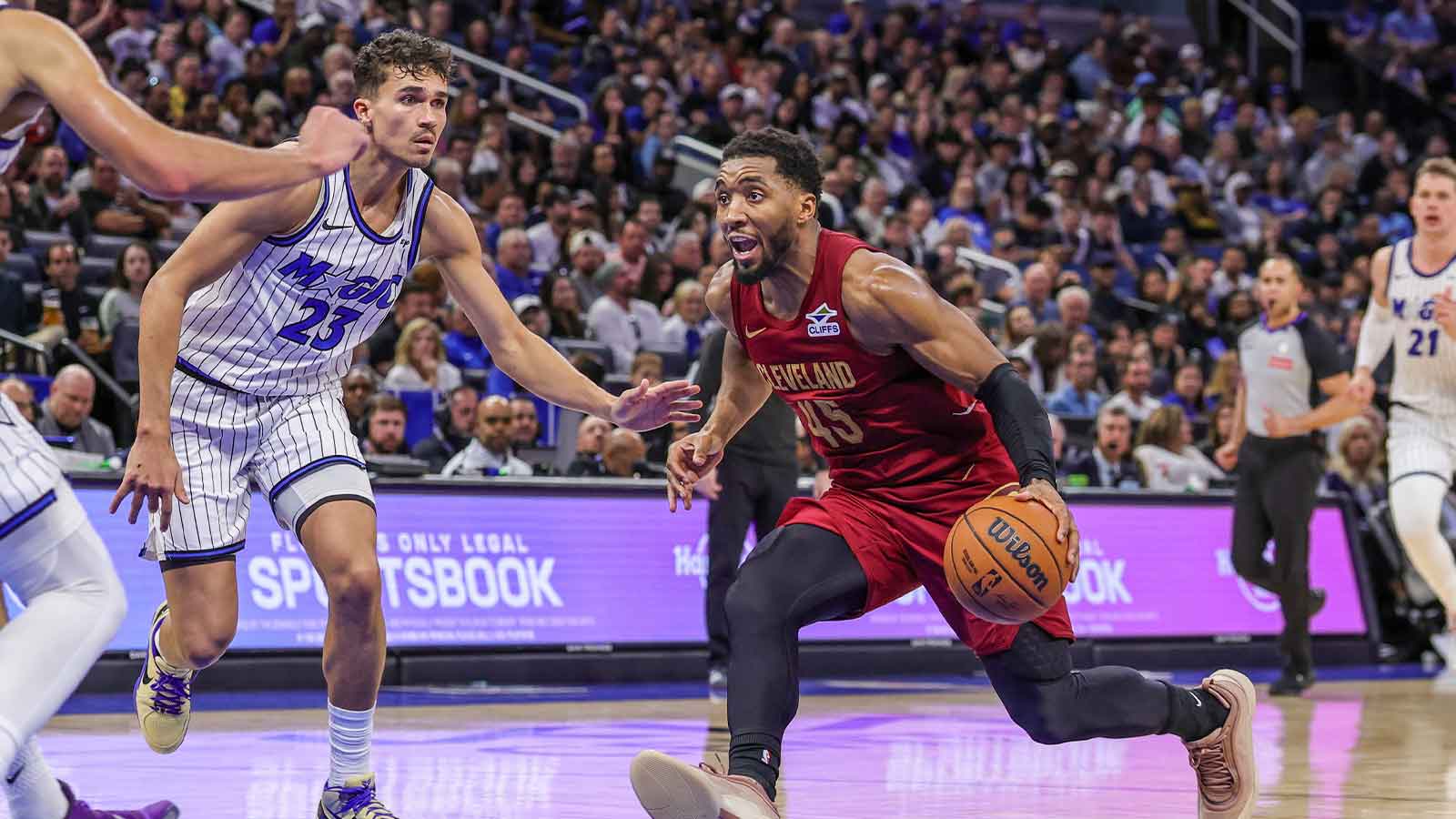
The Cavaliers have experienced a clear regression following last season’s dominant run. At 27-20, Cleveland sits fifth in the Eastern Conference. They are still competitive but no longer feared. Offensively, the Cavs remain potent. They rank fifth in the league at 119.1 points per game. However, that firepower has come with an identity shift that hasn’t always been positive. After leading the NBA in three-point efficiency a year ago, Cleveland has dropped to 17th. That decline has been fueled by a brutal shooting slump from Evan Mobley (30.3 percent from deep) and a rotating cast of injured perimeter shooters.
The defensive slide has been just as concerning. Once an elite two-way group, the Cavs now sit 15th in defensive rating. That middle-of-the-pack mark leaves them chasing the East’s new standard-bearers rather than setting the pace. Instead of dictating terms, Cleveland has been reacting and often too late.
Searching for rhythm
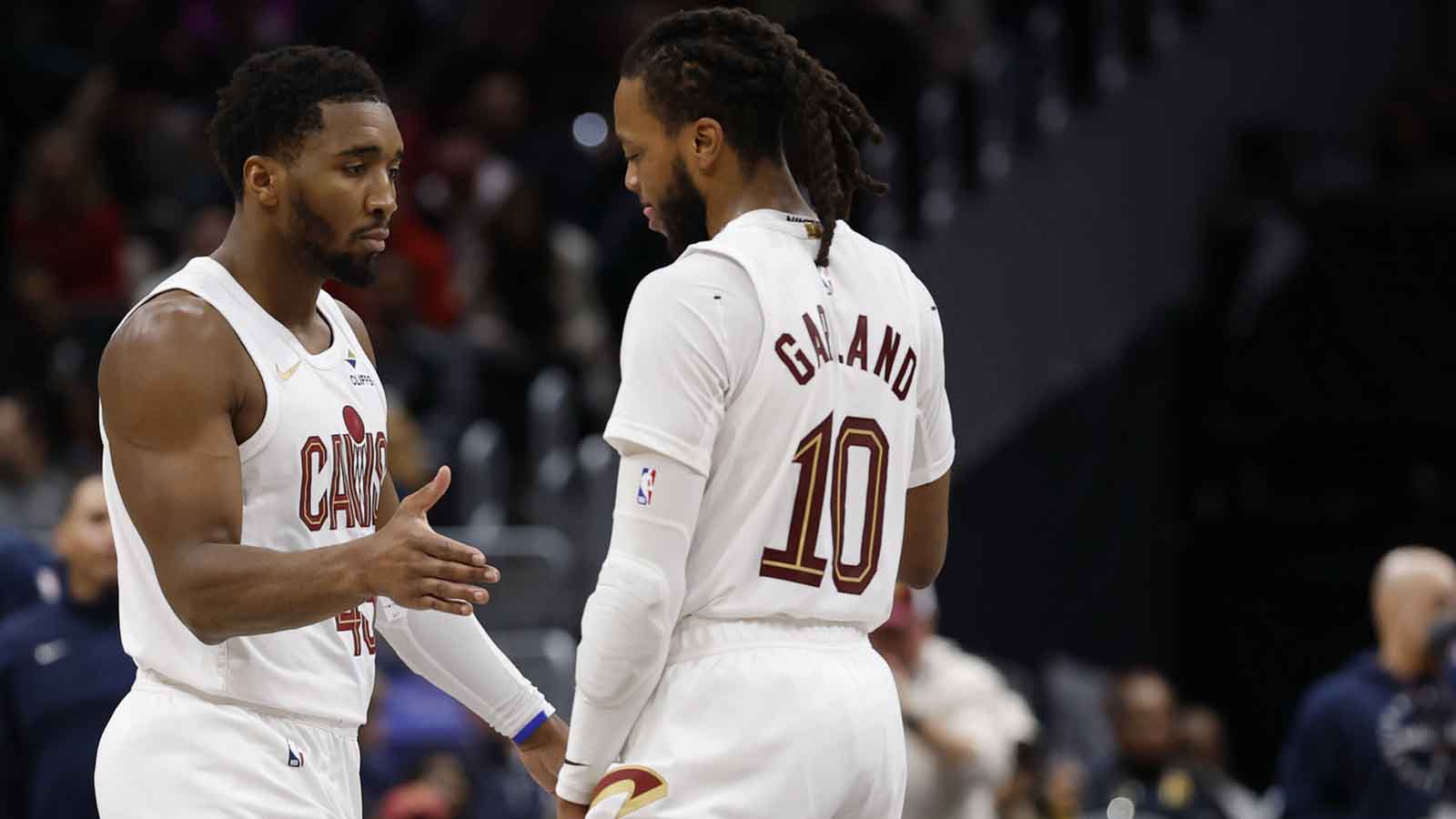
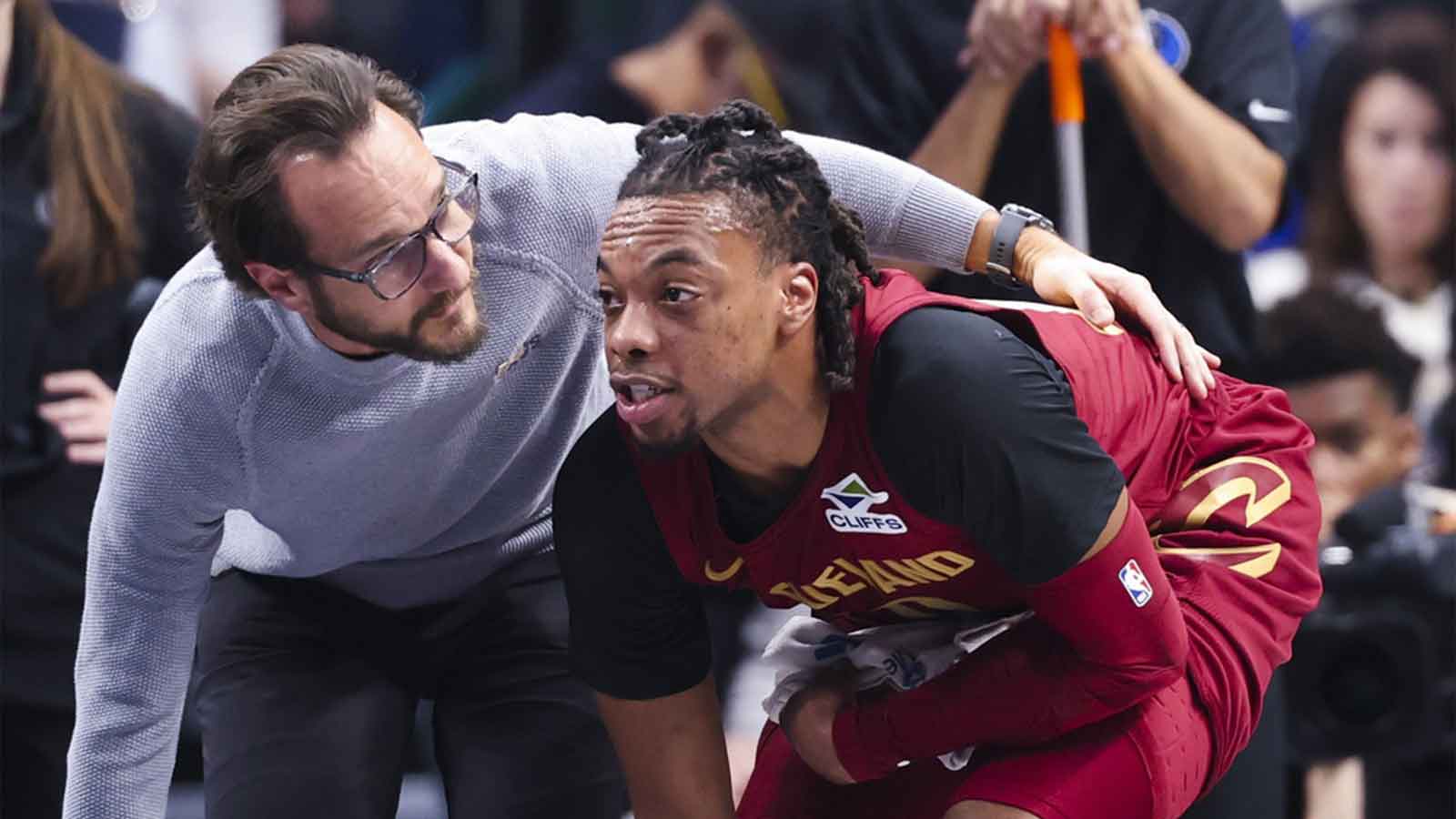
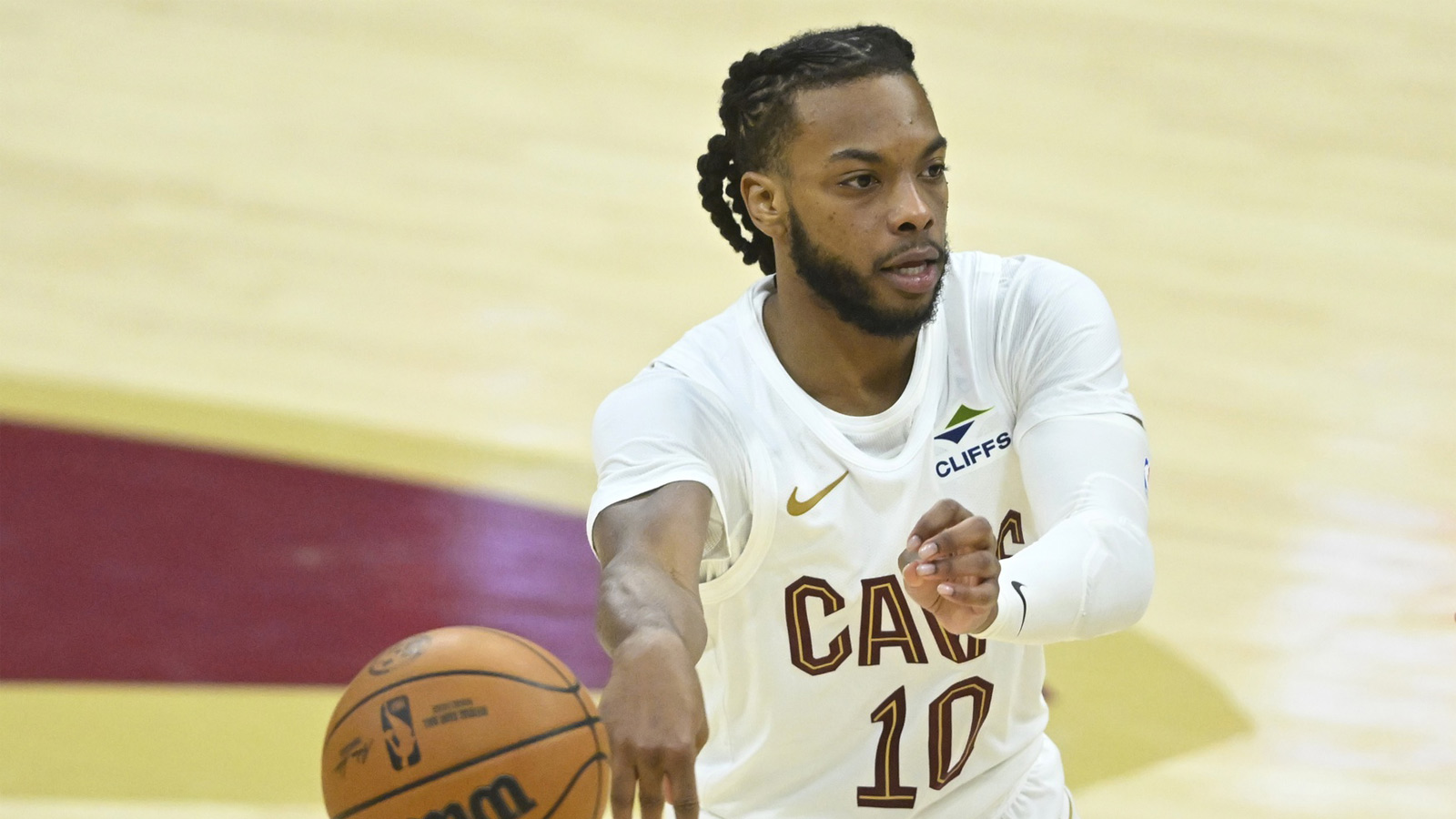
Head coach Kenny Atkinson’s second season at the helm has been defined by adaptability. Donovan Mitchell has shouldered a massive burden. He is averaging 29.1 points per game and carrying the offense through long stretches. His usual backcourt support, though, hasn’t always been there. Darius Garland has missed significant time with a toe injury. Meanwhile, Max Strus’ absence has further thinned the perimeter rotation.
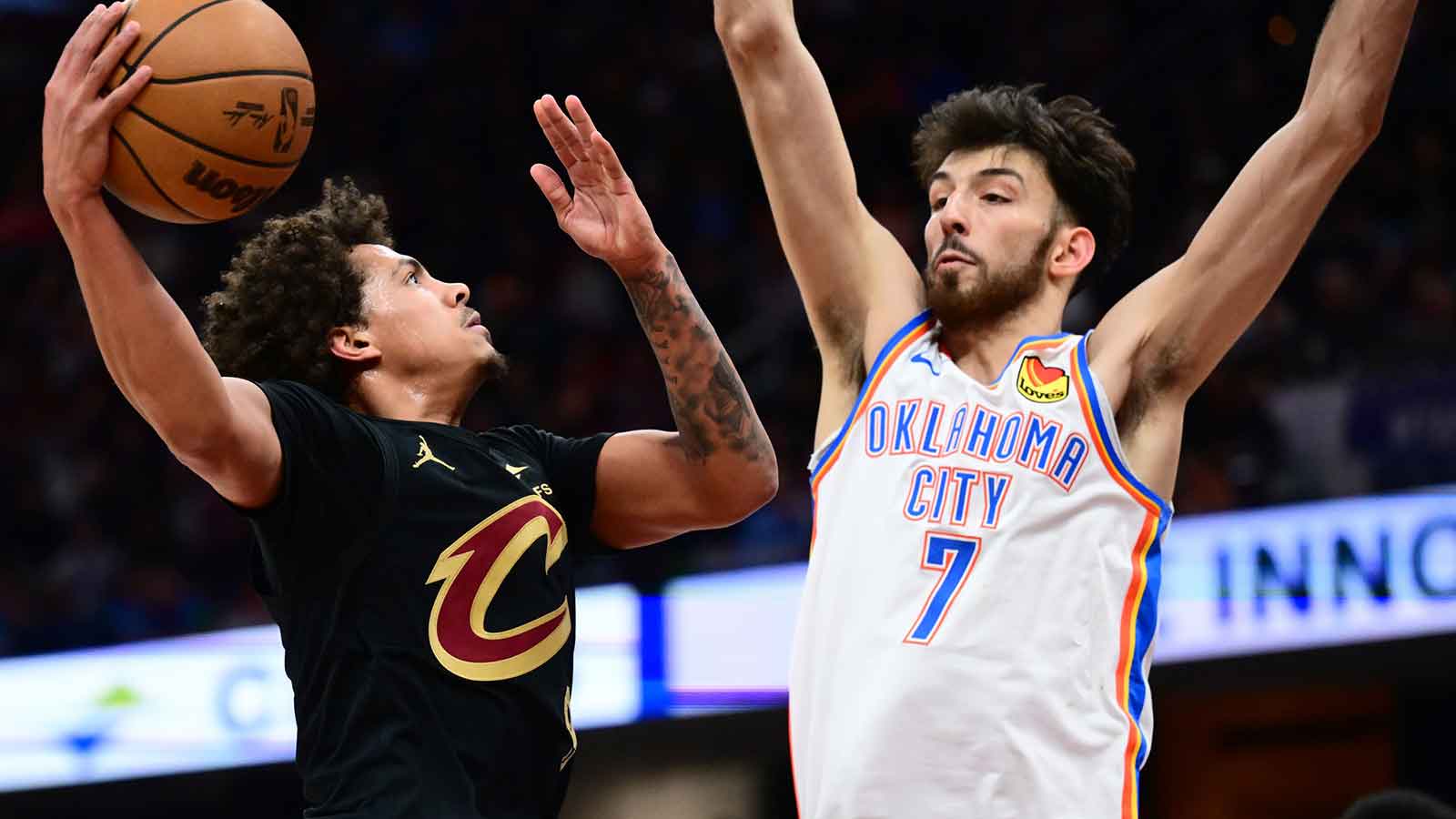
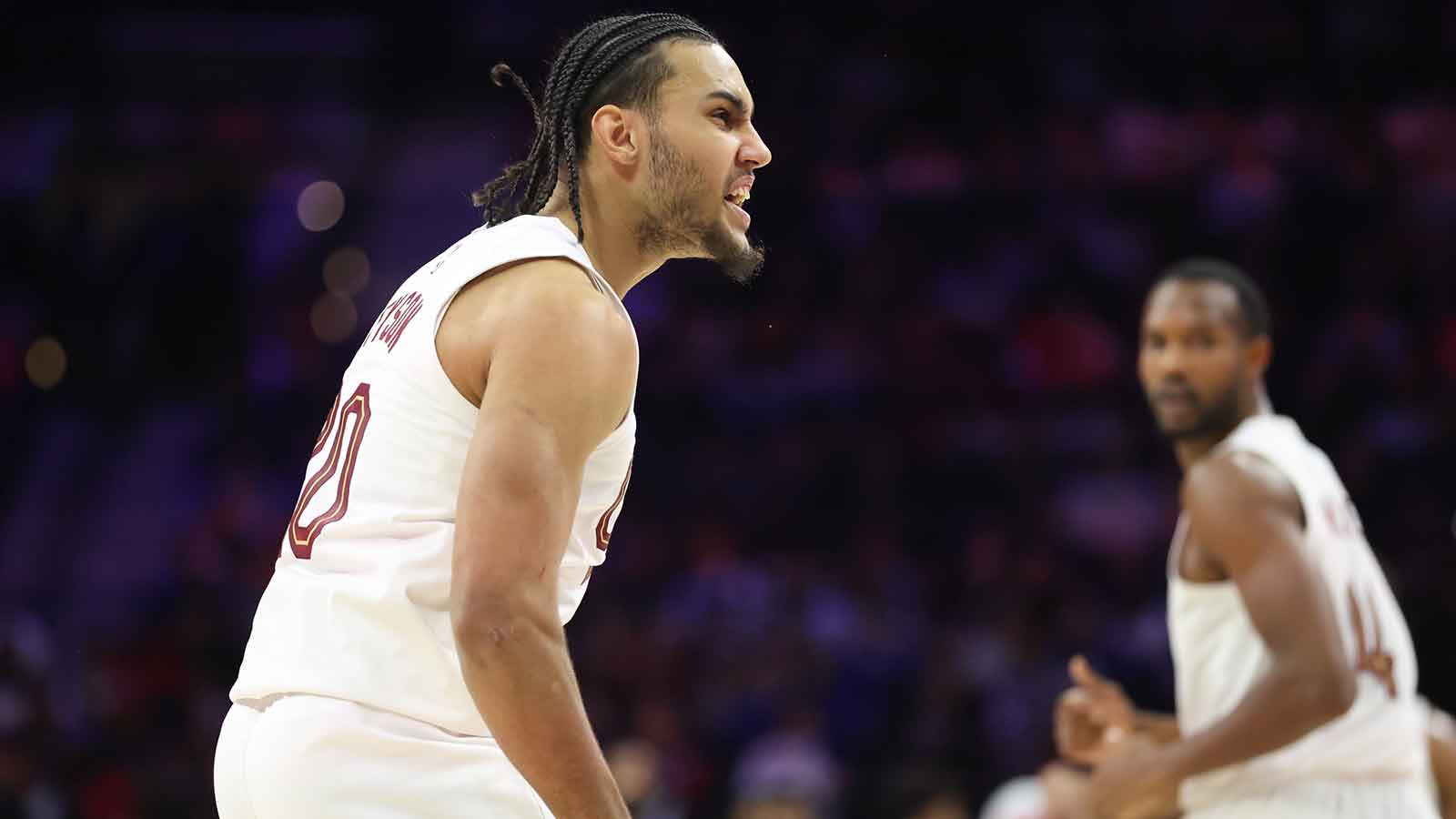
In Garland’s absence, Cleveland’s ball security has collapsed. They have spiked to 21 turnovers per game. That has fueled six separate losing streaks this season. The emergence of Jaylon Tyson has provided a welcome spark. That said, it hasn’t been enough to recapture last year’s flow. As the deadline nears, the Cavs are undeniably talented, yet clearly searching for answers.
Here we will look at and discuss the Cleveland Cavaliers' nightmare 2026 NBA trade deadline scenario that makes disappointing season even worse.
Conflicting signals everywhere
Uncertainty has bred speculation. Around the league, executives see Cleveland as a team at a crossroads. The rumor mill reflects that tension. Some insiders argue the Cavs should simply wait for health and continuity to restore order. They should trust the ‘Core Four' to reassert itself. Others believe that silence from the front office masks a coming shake-up.
Names like Jarrett Allen and Garland have surfaced in hypothetical retooling scenarios. At the same time, more immediate chatter has focused on smaller moves. They might use Lonzo Ball’s $10 million expiring contract to shore up the frontcourt or flip wing depth for shooting. The most persistent buzz, however, centers on the idea of acquiring a high-impact bench scorer. They could obtain a spark plug who can juice the offense when things bog down.
That, however, is where the nightmare begins.
Empty calories target: Cam Thomas
The name that keeps popping up is Cam Thomas of the Brooklyn Nets. Thomas is a proven microwave scorer. He can erupt for 30 on any given night. Rumors suggest Cleveland could pursue him to compensate for their shooting regression and offensive stagnation.
The trade
Cavaliers receive: Cam Thomas
Nets receive: De'Andre Hunter, 2026 second-round pick, Salary filler
On the surface, it looks like a simple fix. In reality, it’s a trap.
Why this move makes a bad season worse
1. Defensive suicide
De’Andre Hunter is one of the few reliable perimeter defenders on Cleveland’s roster. Trading him would strip the Cavs of a vital stopper at a time when their defense is already sliding. Thomas, for all his scoring ability, has never been known for his defense. Swapping Hunter for Thomas would almost certainly push Cleveland’s defense from 15th into the bottom 10. That would be an unforgivable trade-off for a team that once prided itself on two-way dominance.
2. A chemistry killer in the backcourt
Cleveland’s offense already revolves around Mitchell’s scoring gravity. Garland is also expected to reclaim his role as a secondary creator. Introducing another ball-dominant guard creates a ‘too many cooks' problem. Possessions would become crowded, touches would shrink, and the ripple effect would be felt most by Mobley. The latter needs more offensive involvement, not fewer opportunities created by isolation-heavy guards.
Instead of solving the Cavs’ offensive issues, Thomas risks amplifying them.
3. The rental trap
Perhaps most damning is the contract reality. Thomas is in the final year of his deal. Cleveland would be sacrificing its best wing defender for a few months of bench scoring. And there would be no guarantee of re-signing him in the summer. If Thomas walks, the Cavs are left weaker defensively and no closer to contention. That's a disastrous outcome for a franchise already grappling with unmet expectations.
Fixing the wrong problem
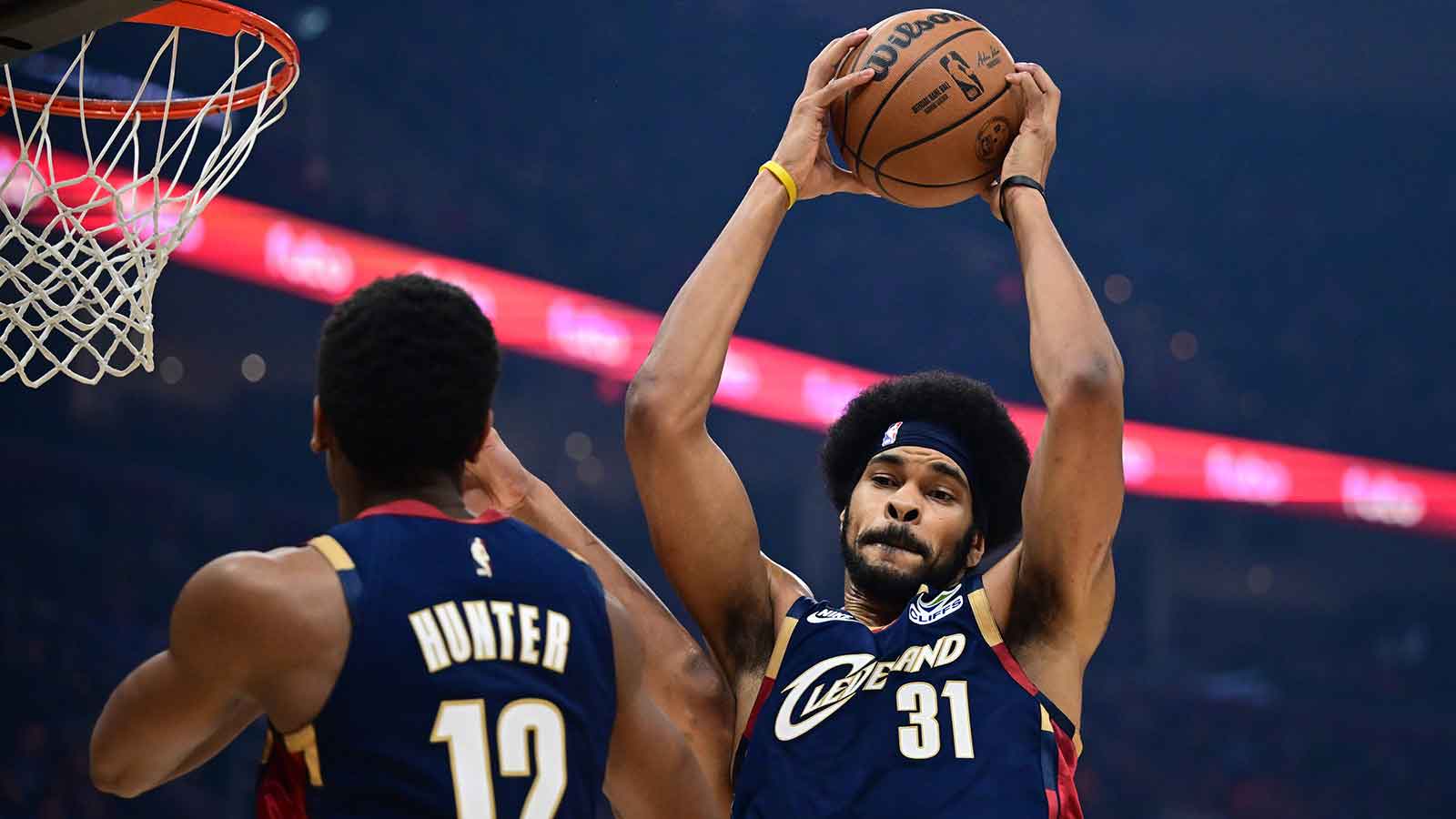
Cleveland’s issues are real, but they’re structural, not superficial. Health, spacing regression, and defensive slippage won’t be solved by adding 'empty calories' scoring. They require patience, internal adjustment, and smarter shot profiles.
The Cavs need neither desperation, nor another scorer who needs the ball. They need stability, defense, and cohesion.
Cleveland must remember that the worst move is the one that feels easiest. The nightmare scenario for Cleveland isn’t standing still at the deadline but moving sideways. Trading Hunter for Thomas would be the kind of short-term thinking that compounds disappointment rather than curing it.