The San Francisco Giants approach spring training with a roster that appears complete on the surface, yet it still lacks key components. Overlapping pieces cram the lineup, and the rotation lacks a reliable bridge between the club's top arms and the developmental pitchers. As the calendar compresses, that imbalance becomes harder to ignore.
With pitchers and catchers reporting in just weeks, the present is the final window to act on San Francisco’s terms. Rotation roles need to be defined early to protect workloads and avoid reactive decisions once camp begins. If the Giants mismanage innings or force young pitchers into responsibility too early, they quickly narrow their path to contention. One decisive move now can eliminate both the rotation uncertainty and the roster congestion before either becomes a season-long liability.
That move is already sitting in front of them.
The Giants do not need to make a mega-deal, nor do they need to take chances on unforeseen upside. What they need is alignment. The roster has quietly created its own solution, and it starts with acknowledging recent additions that have changed the internal math. Once the club committed to defensive certainty in the outfield, flexibility elsewhere disappeared. That reality turns a surplus bat into a trade asset rather than a roster inconvenience.
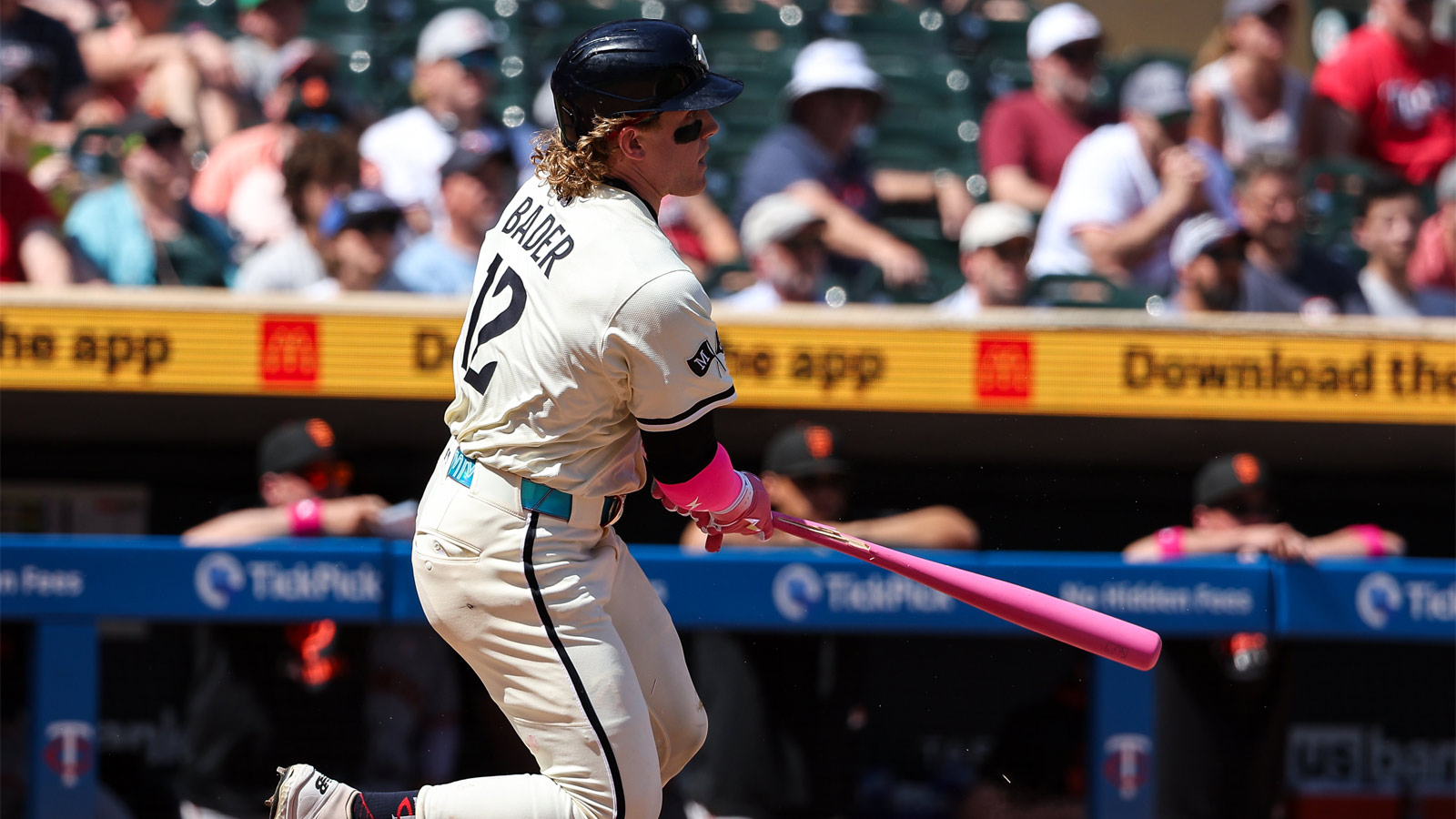
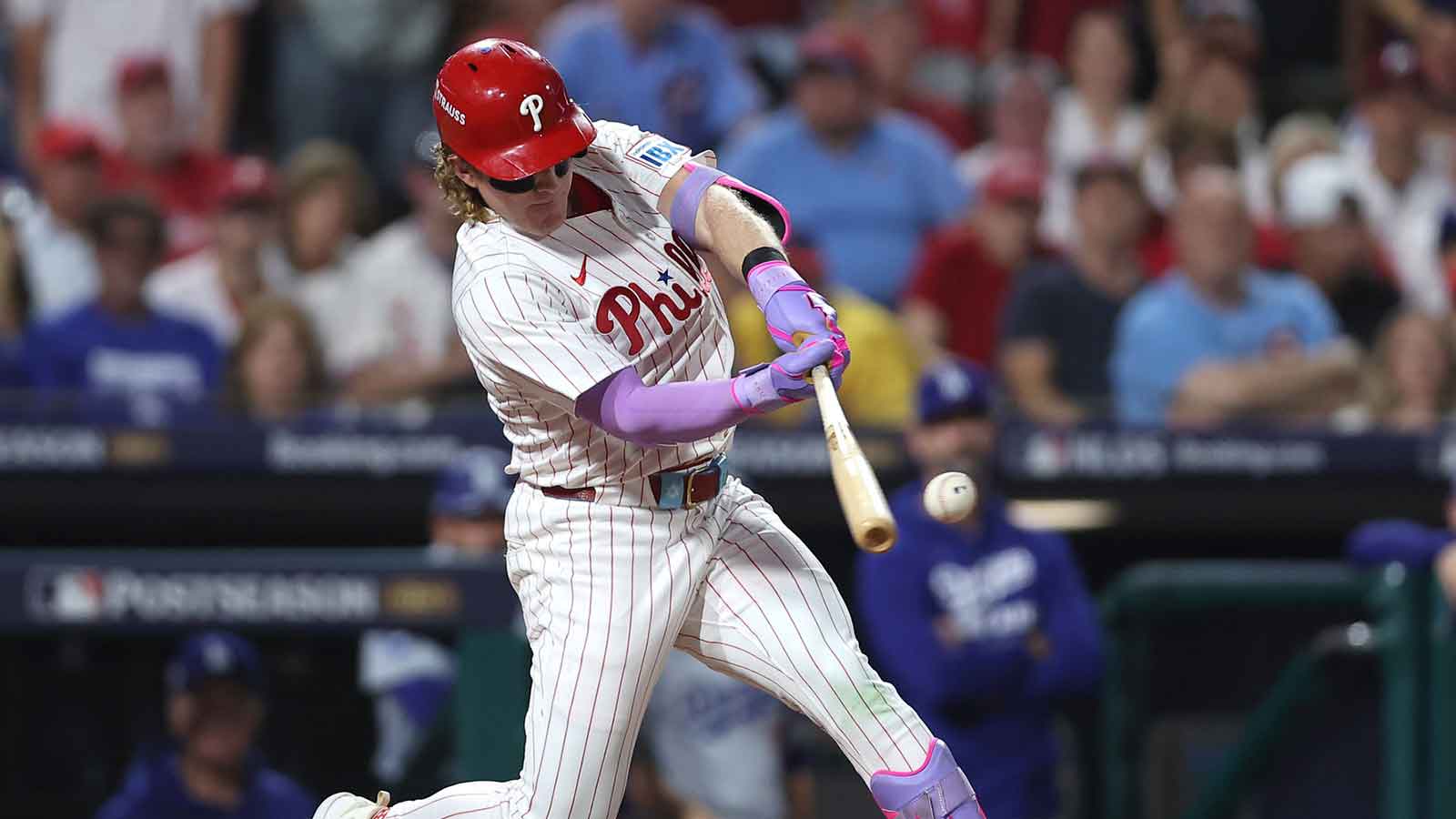
The outfield picture is now defined. Center field is spoken for. Right field is positioned to protect long-term health. Left field is crowded with both veteran presence and younger options who need real at-bats to develop. In that alignment, Heliot Ramos no longer has a clean path to everyday playing time. His offensive production is legitimate, but his defensive limitations make him a poor fit for a team that plays half its games in one of the most demanding outfields in baseball. Carrying him without a role risks wasting value that still carries real league-wide appeal.
This is where the needs of the rotation intersects flawlessly
The Giants’ staff has a clear top and an unsettled middle. Logan Webb anchors everything. Robbie Ray brings experience and postseason pedigree. Adrian Houser offers stability through contact management. After that, the questions begin. Landen Roupp projects as a contributor but remains unproven over a full workload, while Tyler Mahle is returning from a lengthy injury history that makes early season volume uncertain. Relying on that combination to cover meaningful innings in April creates unnecessary risk. Asking Roupp and Mahle to bridge gaps invites fatigue and instability later in the season, when games carry far more weight.
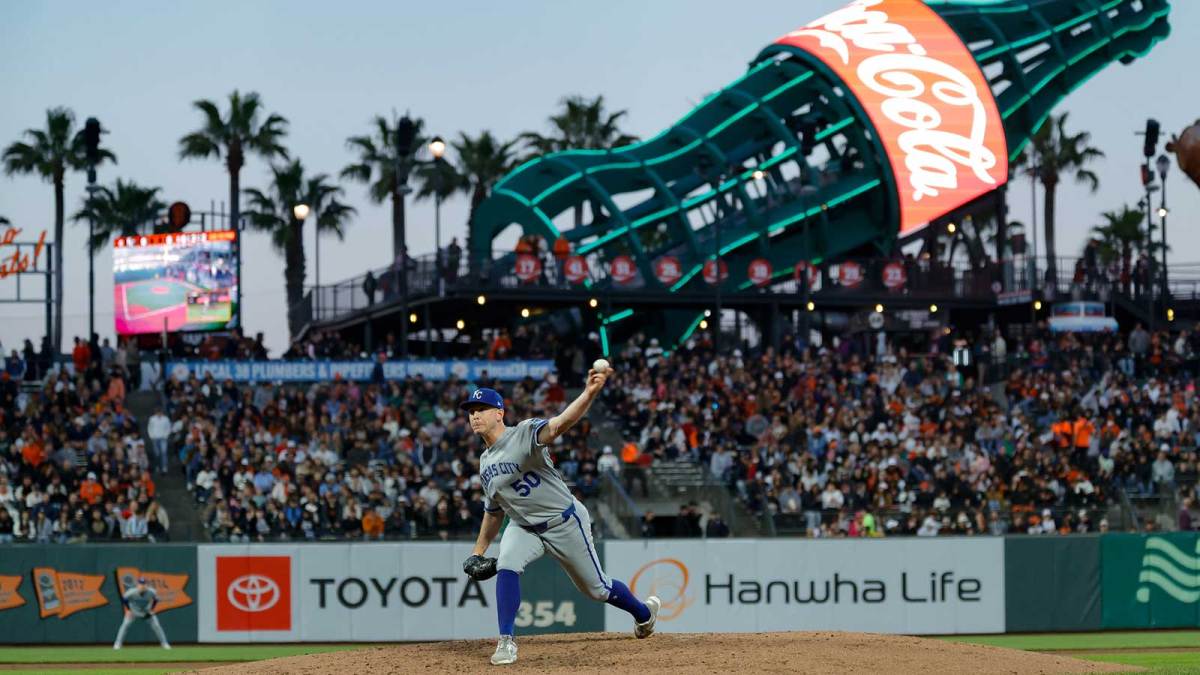
This is where Kansas City Royals pitcher Kris Bubic fits so cleanly into the picture.
Bubic does not need to be dominant. He needs to be dependable. His 2025 season proved he can be exactly that after returning from Tommy John surgery. The efficiency gains were legitimate. His command stabilized. The strikeout rate held firm. At 28 years old, he profiles as a pitcher entering his most reliable phase rather than chasing velocity or reinventing his delivery, which matters for a team that values inning security more than spectacle.
Adding the southpaw before spring training gives San Francisco something it currently is missing. He slots into the middle of the rotation as a dependable option who can absorb innings without forcing the Giants to rush or overextend Landen Roupp early in the season. That protection matters in April and May, when workload negligence quietly compounds into late-season fatigue.
From a financial standpoint, the timing works in San Francisco’s favor. Kansas City faces an arbitration standoff with Bubic that must be resolved before hearings begin. Trading him now removes uncertainty and clears payroll. For the Giants, acquiring pitching now avoids the inflated cost of midseason arms when demand spikes and supply thins.
The trade also cleans up the roster. Ramos’ bat finds a clearer role in a lineup that needs right-handed power, while the team eliminates redundancy without weakening the offense. That balance is rare in late January.
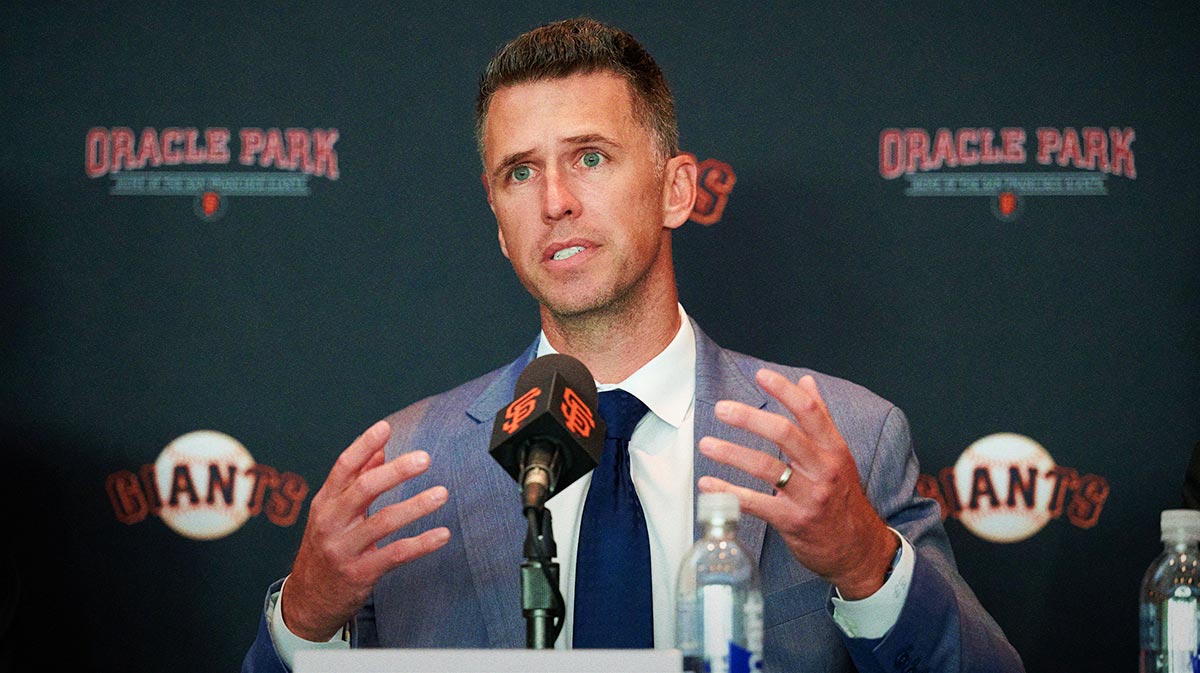
Such an act is not a desperation move. It is a preventative one. The Giants don't have to wait for injury, underperformance, or roster tension to take action. Whether or not Buster Posey and the front office choose to act, doing so now would turn a crowded outfield into pitching security and allow the Giants to enter spring training with clarity rather than questions.
Every offseason produces one decision that appears obvious only after the season unfolds. For San Francisco, that decision is available right now. Making it before spring training begins is how good teams stay ahead of problems instead of chasing them later.