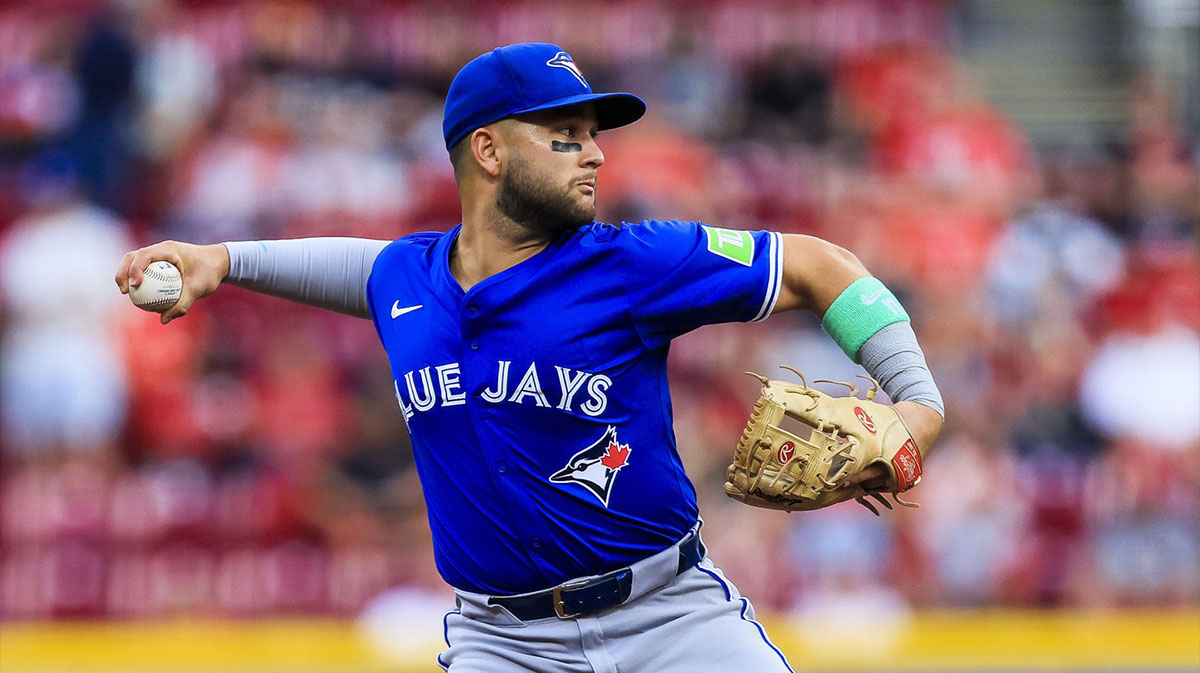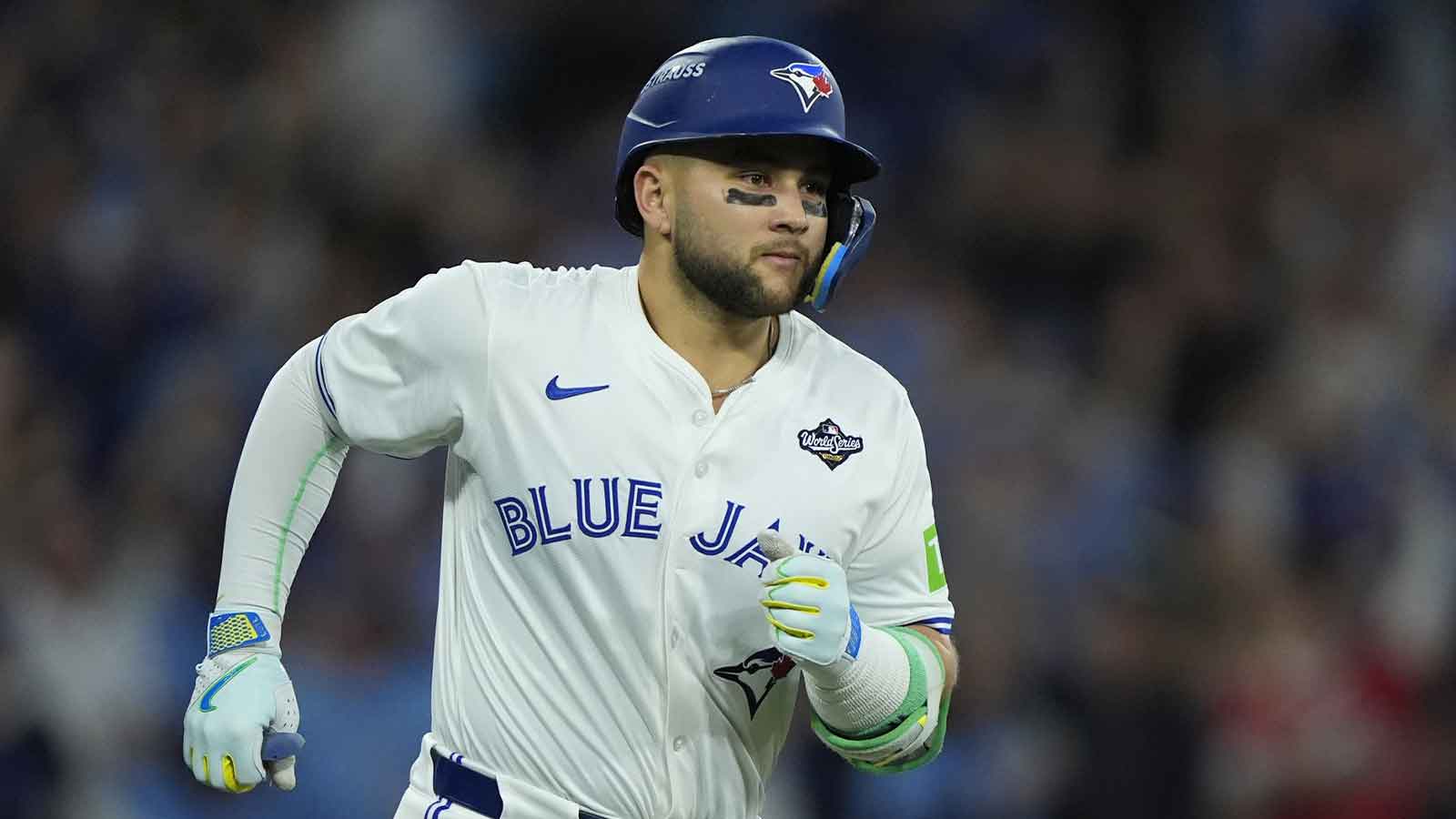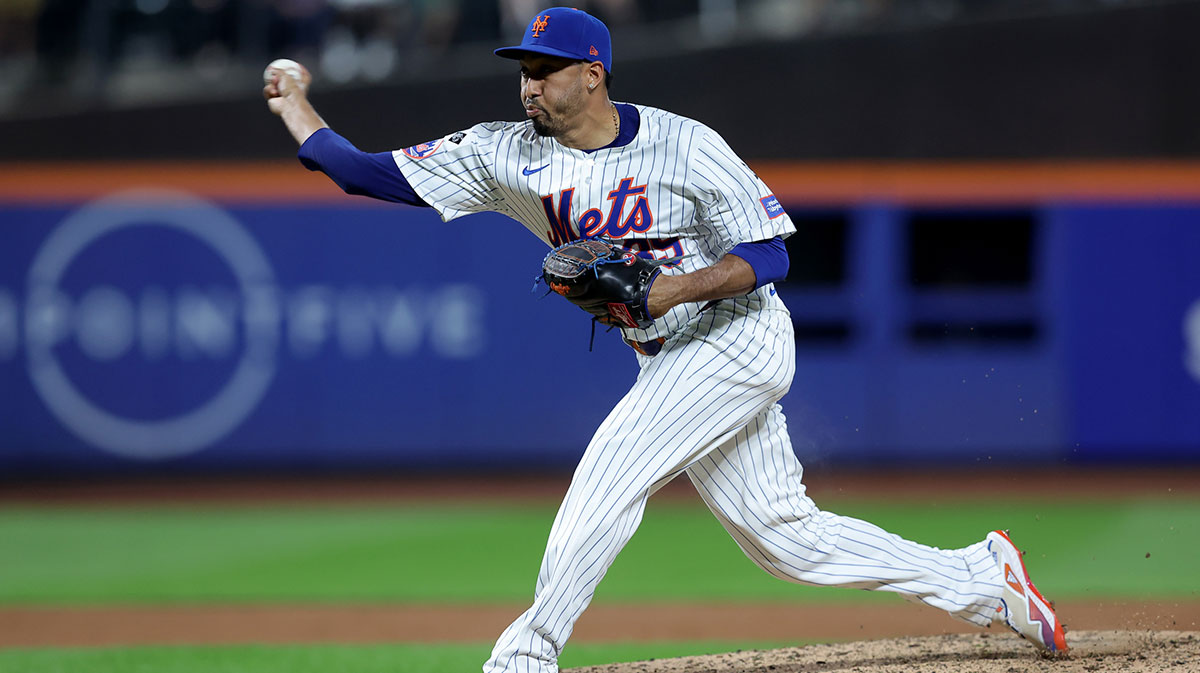
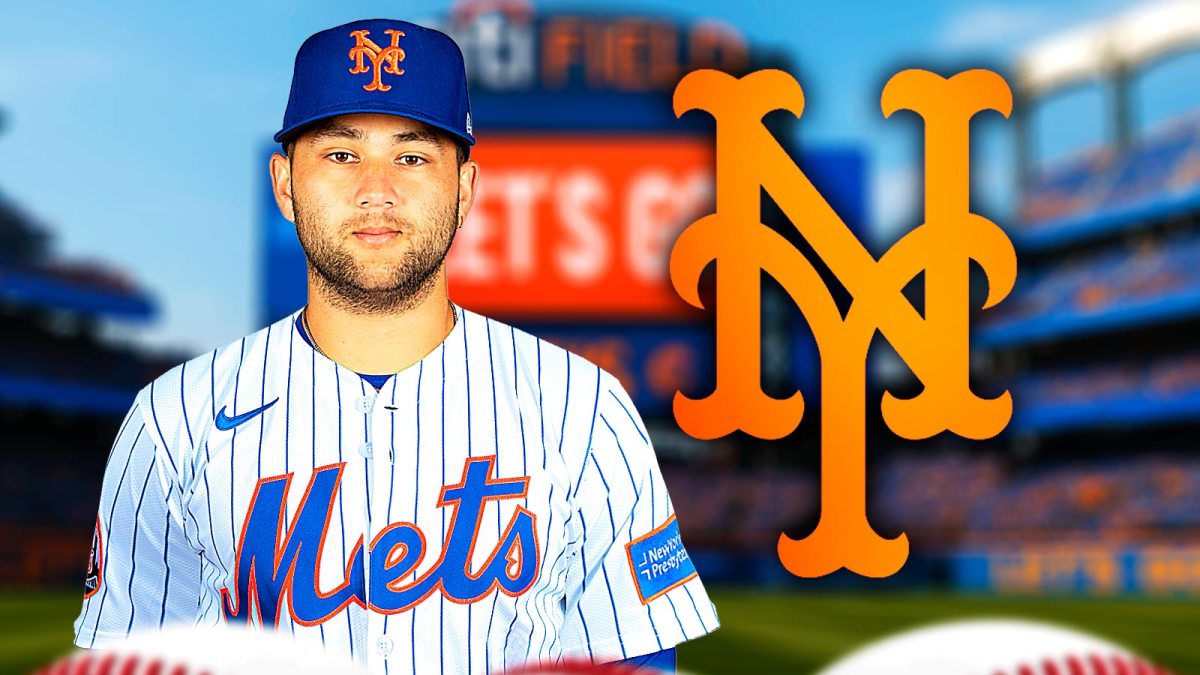
The New York Mets agreed to a three-year, $126 million contract with infielder Bo Bichette on Friday morning, a deal that carries an average annual value of $42 million. The contract, tied for the sixth-highest AAV in Major League Baseball history, includes opt-outs after each of the first two seasons and contains no deferred money.
But when exactly did New York's talk with Bichette begin? The Mets' interest in Bichette only became public late in the offseason, but behind the scenes, talks had been ongoing for some time.
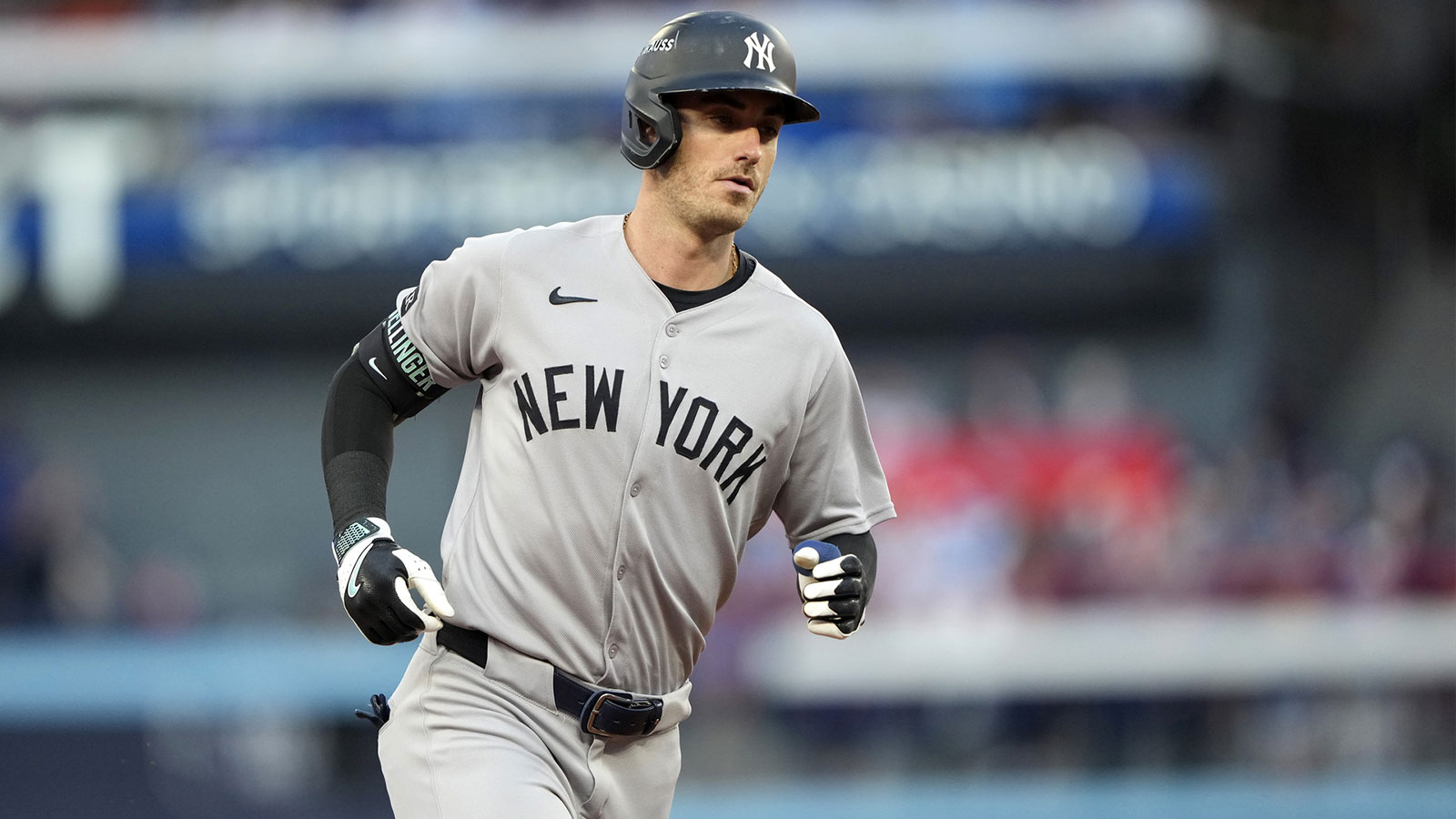
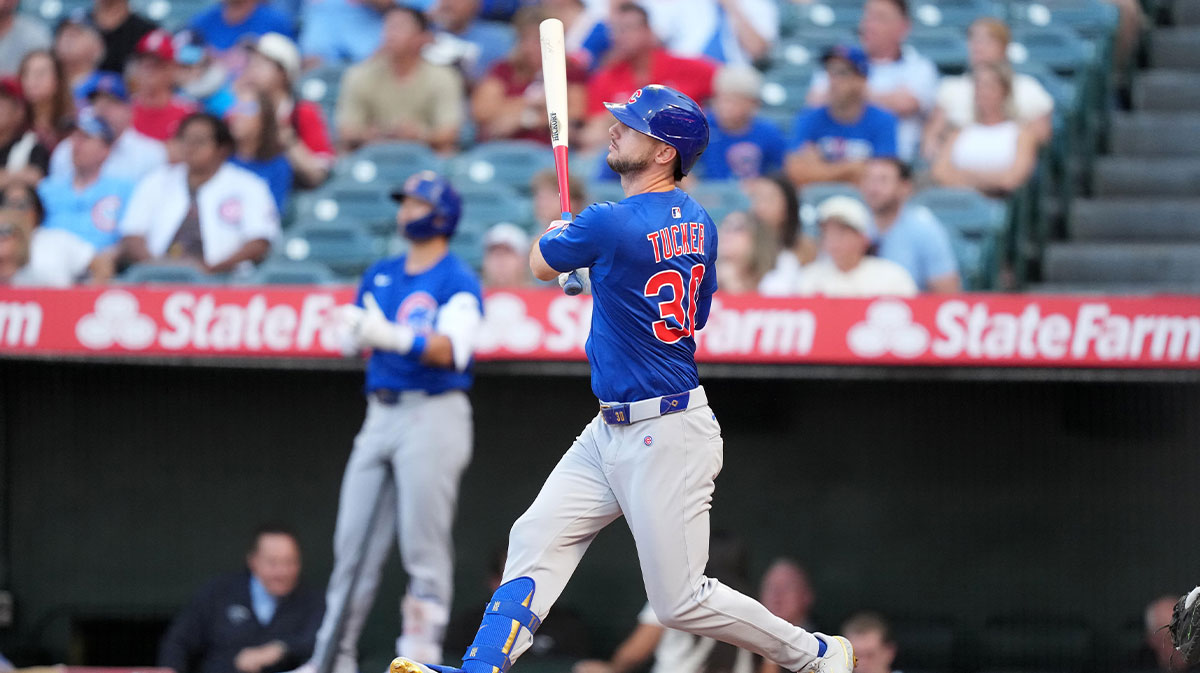
New York's initial conversations with Bichette began at the general manager meetings, according to Will Sammon and Tim Britton of The Athletic. While the Mets were heavily involved in the Kyle Tucker sweepstakes, they maintained parallel preparation. That groundwork paid off when Tucker agreed to a four-year, $240 million contract with the Los Angeles Dodgers on Thursday. Within around 14 hours of losing out on Tucker, New York was finalizing its deal with Bichette.
The urgency accelerated earlier in the week when the Mets met directly with Bichette, uncertain of their standing with Tucker. Once Tucker made his decision, talks between New York and Bichette intensified immediately. The Mets were able to move quickly thanks to manager Carlos Mendoza's long-standing relationship with the Bichette family, built during his time managing Bichette's brother in the minor leagues.
The Philadelphia Phillies, who were one of the teams chasing the Bichette, believed they had secured the 27-year-old on Thursday night after agreeing to his request for a seven-year, $200 million contract, according to Bob Nightengale of USA Today. Bichette ultimately chose New York’s short-term, high-value structure over a longer commitment. The Mets' three-year, $126 million offer changed the market overnight and pulled Bichette away from a National League East rival.
For New York, Bichette is a centerpiece bat. He owns a career .294/.337/.469 slash line and has never hit below .290 over a full season. During the 2025 regular season, he hit .311 with 18 home runs and 94 RBIs. His batting average alone would have led the Mets by 39 points. Bichette was one of Toronto’s most impactful performers during its World Series run, batting .348 with one home run and six RBIs in the seven-game series.
The move comes with defensive risk. Despite the fact that Bichette has only played shortstop and designated hitter at the major league level, he is expected to open the season at third base. Scouts have questioned his arm strength, though evaluators believe his hands and work ethic give him a chance to adapt. The Mets are confident their coaching staff can support the transition.
A two-time All-Star in 2021 and 2023, Bichette also paced the National League in hits in back-to-back seasons from 2021 to 2022. Beyond performance, New York identified Bichette as a respected clubhouse presence, an important factor for a team that finished 83–79 in 2025 and missed the playoffs.