
The Houston Astros secured cost certainty with one of their most important arms, finalizing a key agreement ahead of the arbitration deadline. Arbitration discussions concluded smoothly as Houston locked in its emerging ace and avoided a formal hearing.
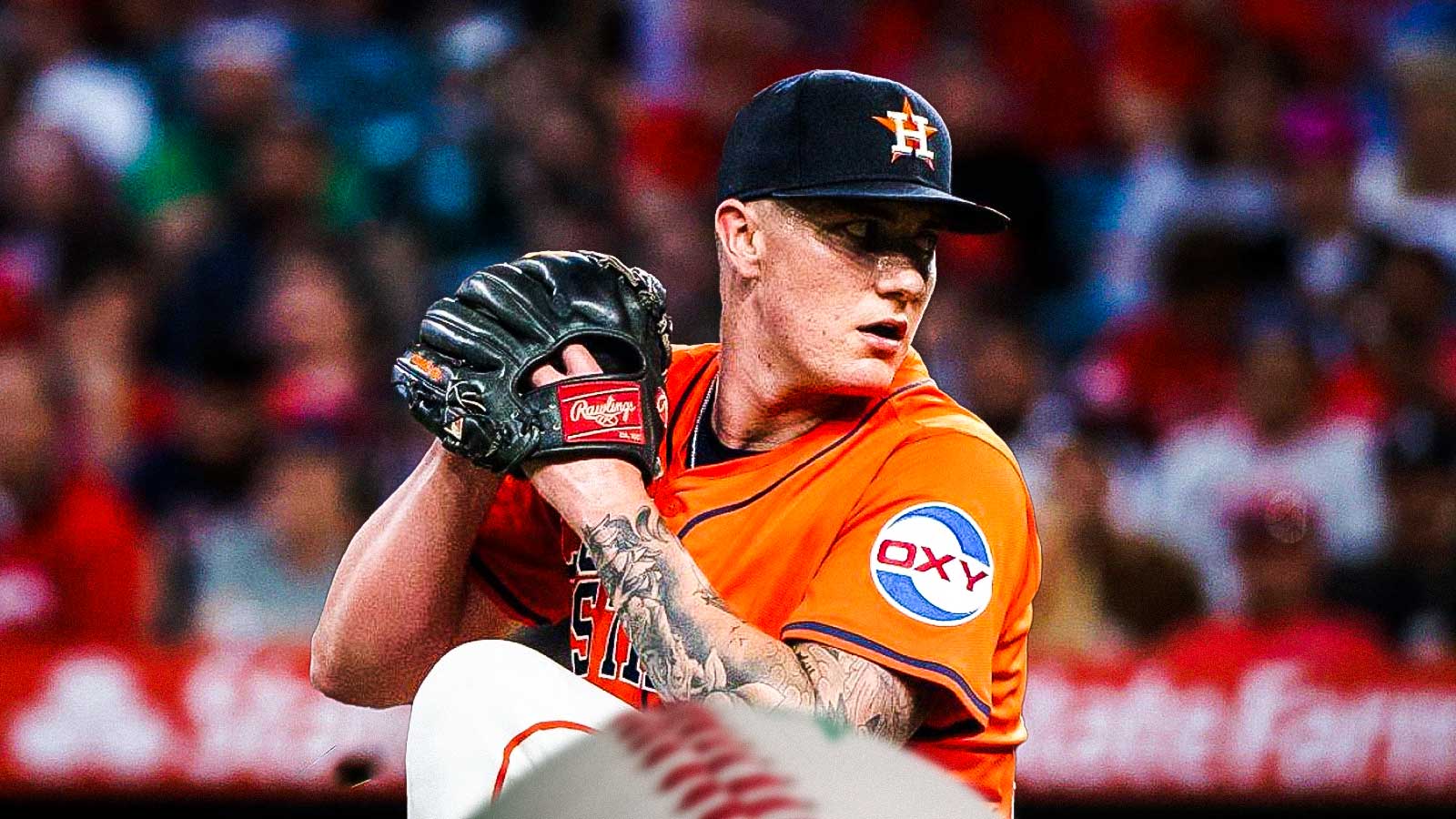
The Astros reached an agreement with right-handed pitcher Hunter Brown on a one-year, $5.71 million contract for the 2026 season. The deal keeps Brown under team control while allowing both sides to bypass the arbitration process, reflecting the organization’s confidence in Brown as a cornerstone of the pitching staff.
Brown’s salary represents a significant jump from the league minimum, fueled by a breakout 2025 campaign. He finished third in American League Cy Young voting and established himself as the rotation leader following offseason turnover. Securing Brown early provides the Astros with payroll clarity as they continue navigating arbitration decisions across the roster.
The agreement was first reported by The Athletic’s Chandler Rome, who shared the news on X (formerly known as Twitter), confirming that Houston and Brown reached terms ahead of the filing deadline.
“The Astros and right-hander Hunter Brown agreed to a $5.71 million salary, avoiding arbitration, source tells @TheAthletic”
Avoiding arbitration carries benefits beyond finances. Hearings often require teams to argue against a player’s value, a process that can strain relationships. By settling early, Houston reinforced its commitment to Brown as a long-term fixture in the rotation.
The agreement also carries draft-related implications. Brown’s top-three Cy Young finish in 2025 triggered a Prospect Promotion Incentive pick, further rewarding the organization for his development.
Houston also added pitching depth during the break, including the signing of Japanese right-hander Tatsuya Imai, as the club continues building around its core.
The Astros’ pitching staff enters 2026 with stability at the top. Brown remains under team control through 2028, giving the team multiple seasons to build around its new ace while preserving flexibility for future negotiations.