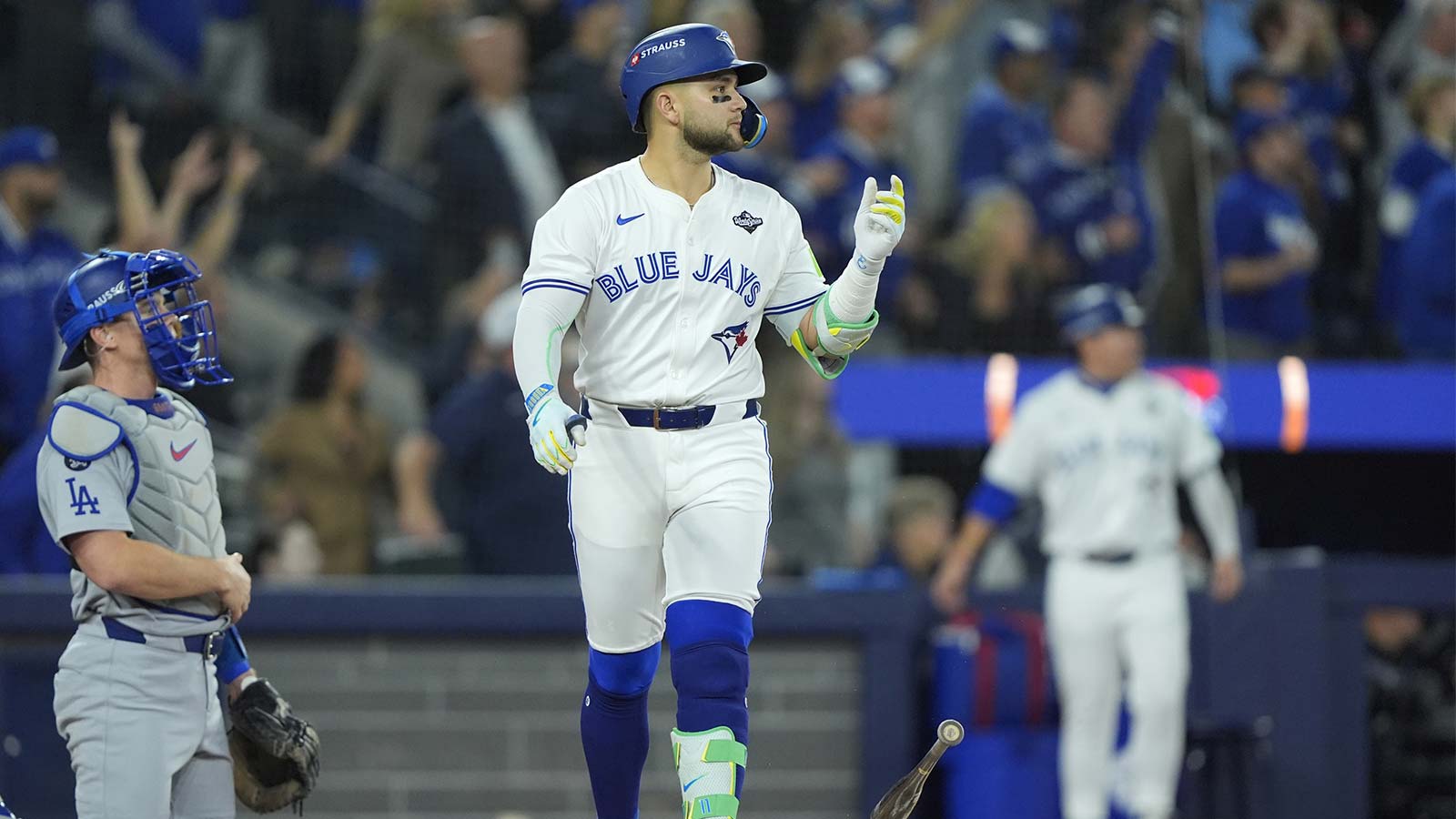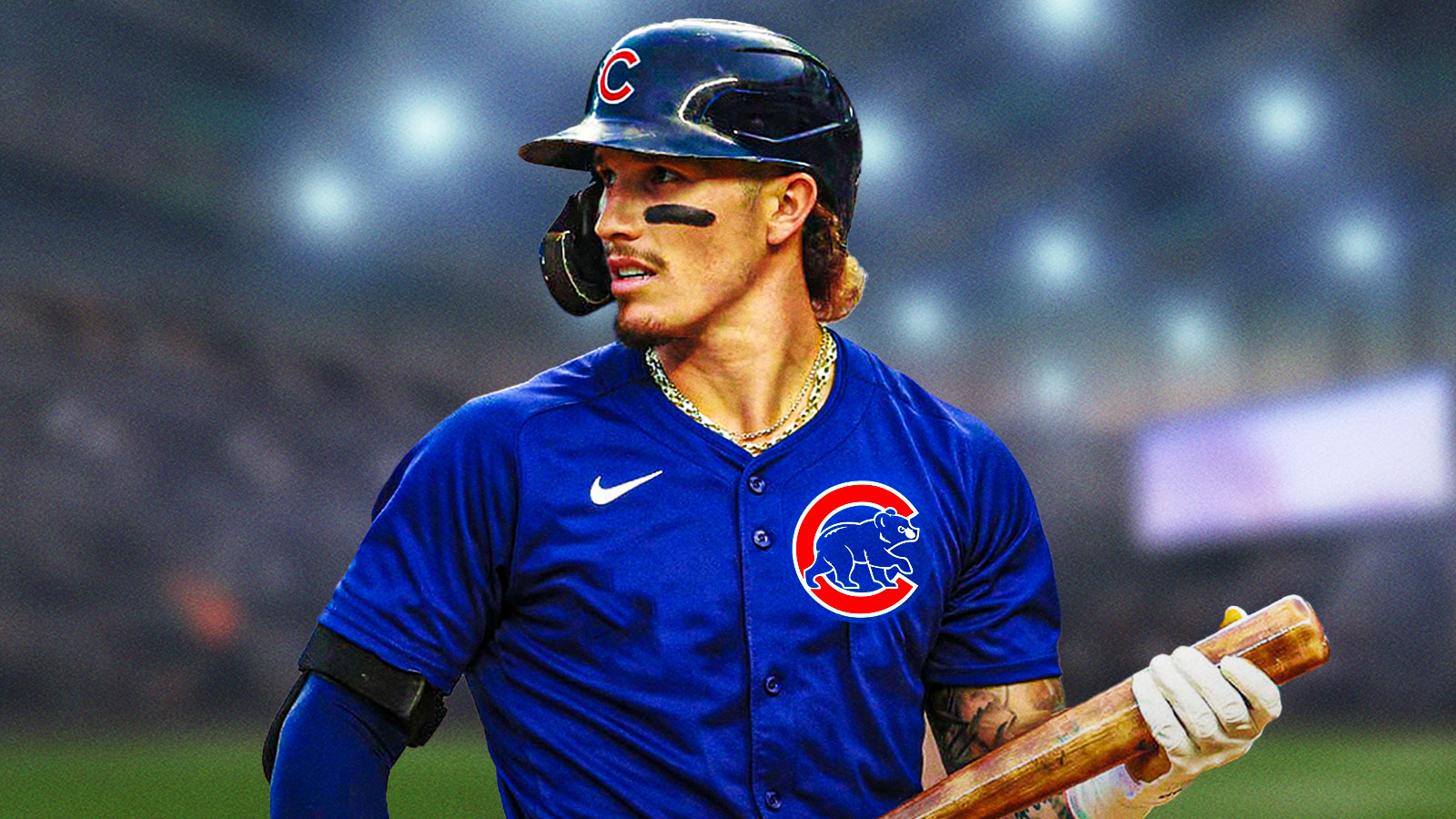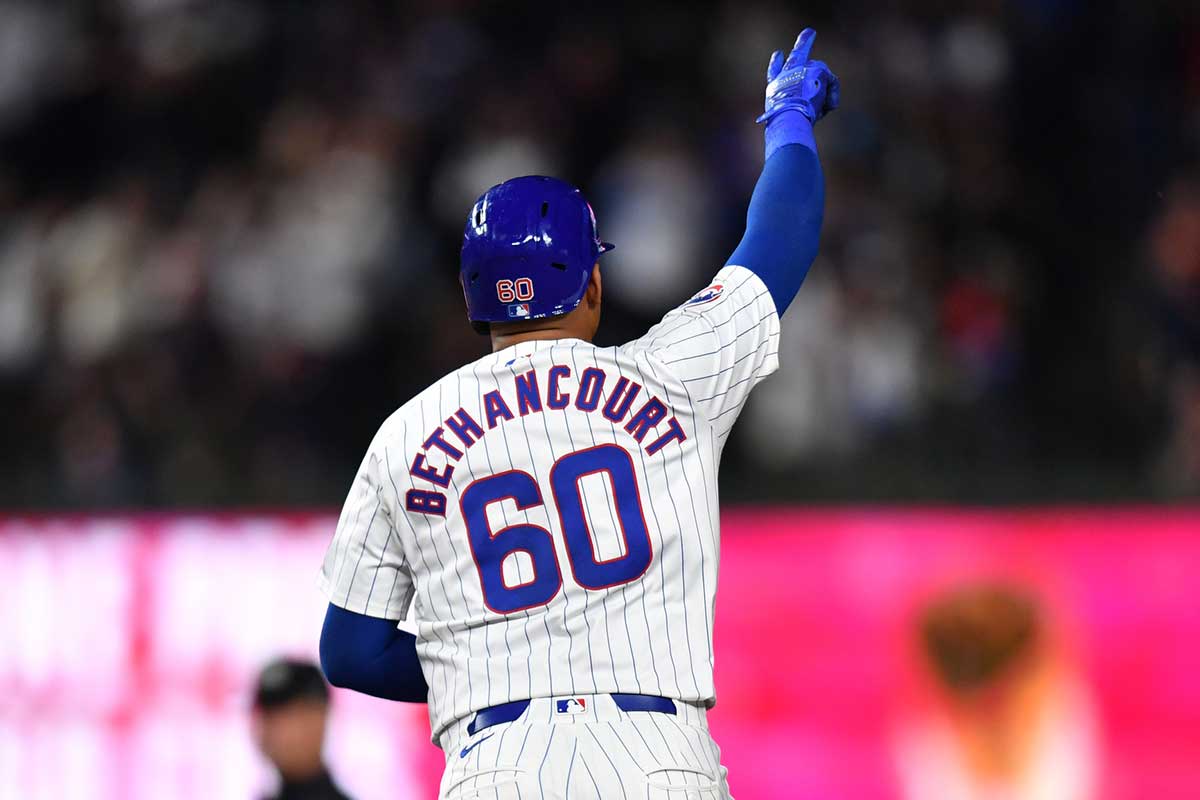
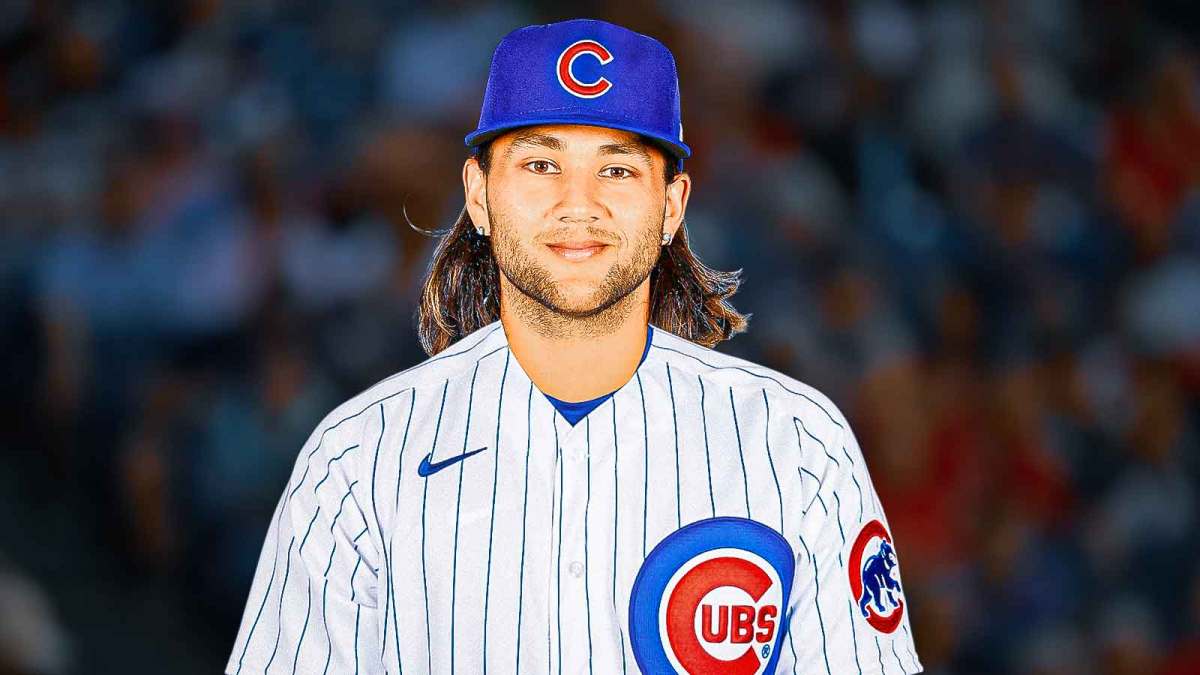
The Chicago Cubs shouldn't pass up this unique chance to solve a crucial organizational need without going over budget. The 27-year-old free agent shortstop Bo Bichette, who recently helped lead the Toronto Blue Jays to the World Series, is a prime example of the kind of impact middle-infield addition that turns a team from a postseason contender to a championship contender. The Yankees, Dodgers, Red Sox, and Phillies make up the competitive field, but a carefully crafted seven-year, $200 million contract makes the Cubs the most desirable location for one of baseball's top hitters.
Bichette has already received updates from the Cubs' front office, indicating a sincere desire to make him the focal point of their offseason. The question is whether they will be prepared to match market value, not if they should go after him. For both parties, a seven-year, $200 million contract ($28.6 million average annually) strikes the best balance between financial restraint and competitive ambition.
The Bo Bichette Profile
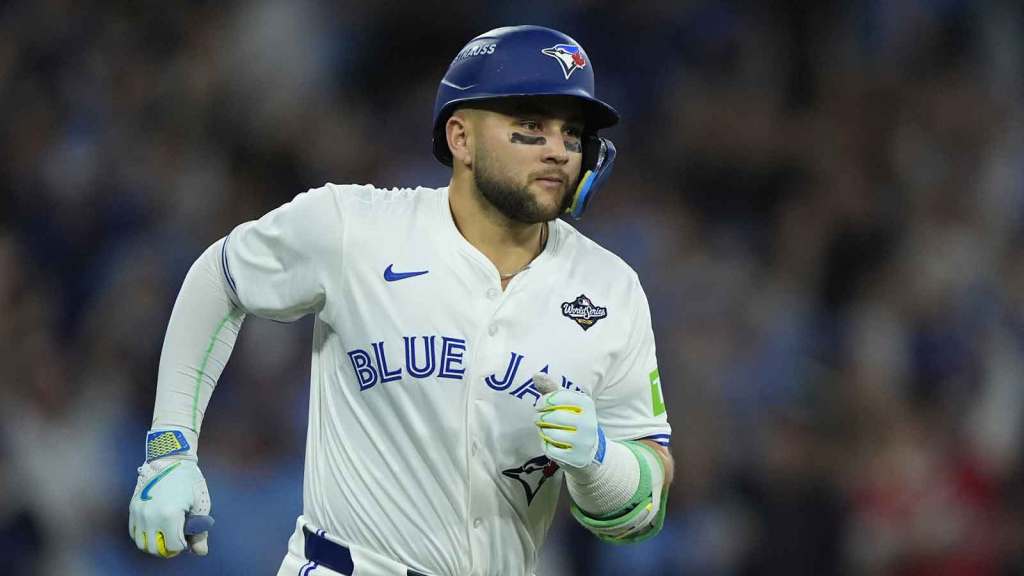
Bichette has an almost unmatched offensive profile among middle infielders in the modern game. At the conclusion of the 2025 season, he slashed .311/.357/.483 with 18 home runs and 94 RBIs in 139 games, making him one of the league's most dependable and potent hitters. The fact that Bichette is the only baseball player to hit is even more remarkable.300 against fastballs, breaking balls, and changeups/splits, a statistical anomaly that indicates a remarkable capacity to identify and perform against any kind of pitch.
His slash line of .294/.337/.469 over seven seasons shows a level of sustained excellence that goes beyond a single hot streak. Whereas the worth of many young stars is tied to minor fluctuations in performance, Bichette has firmly established himself as a consistent one of the top 120+ OPS+ players. In fact, despite playing only 135 games and 81 games in 2023 and 2025 respectively, he was 16th in AL MVP voting in both seasons, thus underscoring his impact per at, bat exactly the kind of high-quality, low-quantity production that leads to playoff wins.
Bichette, who is 27 years old and in the prime of his career, gives the Cubs exactly what they need: a young infielder with exceptional hitting ability who can anchor the middle of the lineup for the next five years and beyond.
Why $200 Million Over Seven Years Wins the Sweepstakes
Bichette's contract projection landscape shows an intriguingly fragmented market.A $200 million, seven-year offer falls right into the sweet spot. It falls short of the more speculative $220 million ceiling but surpasses McDaniel's cautious revised estimate. More importantly, this mirrors the framework and worth of comparable deals. Carlos Correa, for instance, inked a six-year, $200 million contract with Minnesota after a season that saw him post a 4.6 fWAR. Willy Adames, too, secured a seven-year, $182 million contract with the Giants, both of which came just before Bichette's own marketability came into play.
The Cubs' seven-year plan also strategically fits with their roster timeline. Since Nico Hoerner is scheduled to become a free agent after the 2026 season, a long-term Bichette deal allows Chicago to utilize Bichette at third base this season and transition him to second base after that. This positional flexibility will be crucial if they decide to extend Hoerner or trade him for pitching assistance.
Solving a Roster Puzzle
The Cubs' organizational problem is straightforward: they have top-notch position players but lack sufficient rotation depth to contend with top East Coast teams. To solve the second part of that equation, Bichette creates roster and financial flexibility while directly addressing the first.
Bichette's versatility—he can play shortstop, second base, or third base depending on organizational needs—gives the Cubs optionality they currently lack. Unlike the positional rigidity that complicates his market value elsewhere, his ability to move seamlessly between infield positions makes him more valuable to Chicago's front office, which has already demonstrated a willingness to execute complex roster moves.
Additionally, managing payroll is quite manageable. The Cubs, with a yearly expenditure of roughly $28.6 million, would be nowhere near the luxury tax threshold, which is expected to be around $250-265 million. The team is comfortably operating within its financial limits, and thus, no drastic cuts would be needed in the payroll of other areas.
The Championship Logic
Offering Bo Bichette seven years and $200 million conveys to the player, his agents, and the baseball community that the Cubs are serious about winning both now and in the future. It's an investment in a star player at a young age who can produce at an elite level for eight to ten seasons; it's a declaration that Chicago wants to compete with the world's Dodgers, Yankees, and Mets, not wait for the next “development cycle.”
With Bichette at shortstop, the Blue Jays advanced to the World Series. Last season, the Cubs qualified for the playoffs for the first time in years despite having a weaker rotation. Although it doesn't ensure a championship, adding his superb bat significantly raises the likelihood. This is the move that future championship teams will have been built upon in a league where offensive depth and veteran talent set contenders apart from pretenders.