A lot of credit for the state of moviegoing should be given to Avatar: Fire and Ash director James Cameron, whose blockbusters like Titanic and Terminator have given people reasons to go to the movies.
However, for better or worse, he has become extremely fixated on the Avatar movies for the last 16 years. The first, released in 2009, was revolutionary. The second, The Way of Water, came 13 years later. It was a technical marvel and a true surprise, given the break between installments.
Now, Fire and Ash, the third installment in the series, feels like Cameron is stuck in the mud, stagnating instead of pushing the franchise forward.
Will the franchise continue forward regardless? More than likely. But the planned fourth and fifth installments are in desperate need of an overhaul. Pandora is so rich, and yet, Fire and Ash feels the most limited in scale of the trilogy.
What's Avatar: Fire and Ash about?
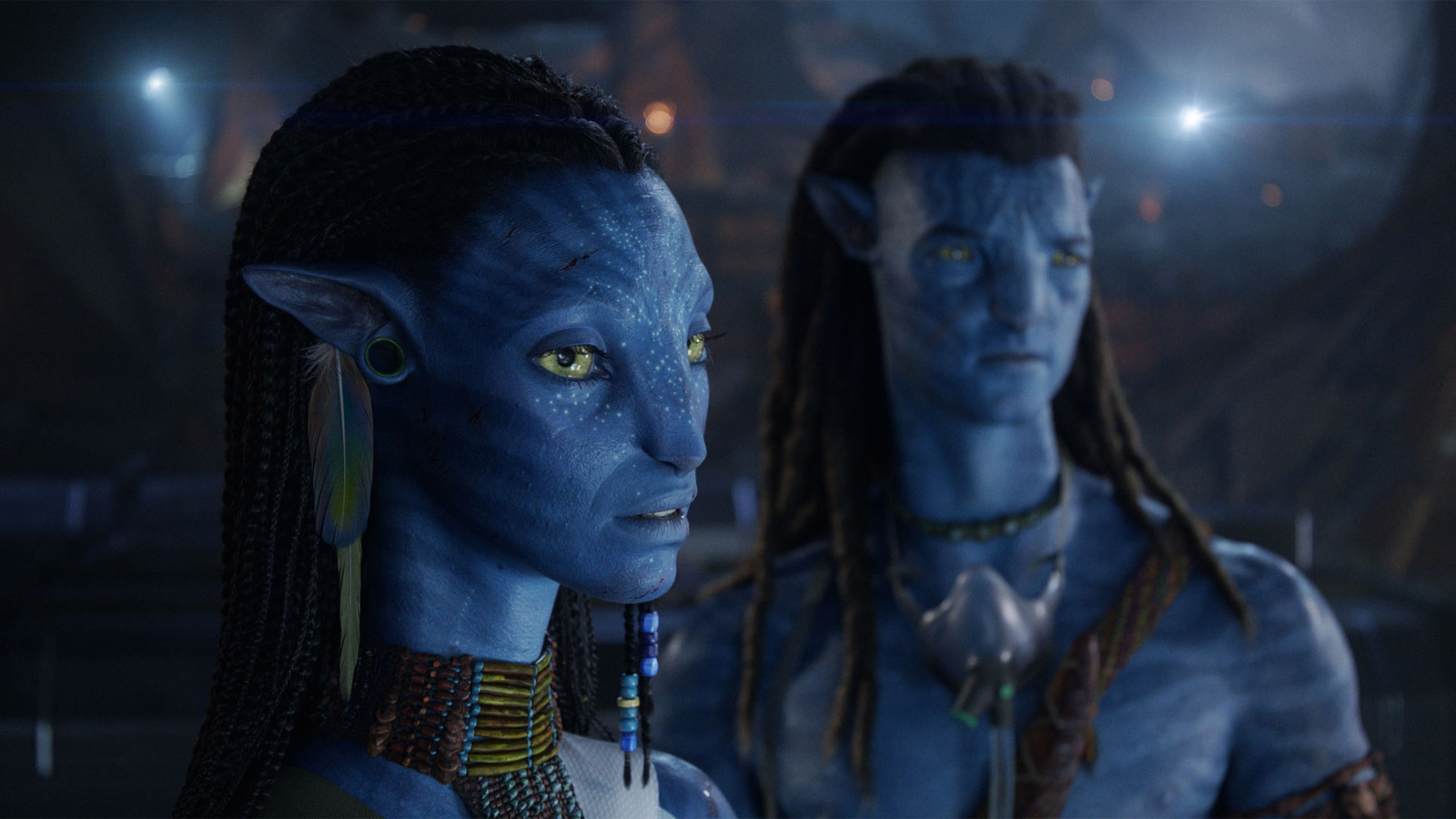
Picking up shortly after the events of The Way of the Water, Jake Sully (Sam Worthington) and the rest of his family are still reeling from their son's death.
After a run-in with the Mangkwan clan, an aggressive Na'vi tribe also known as the Ash People, Jake is forced to align himself briefly with Colonel Miles Quaritch (Stephen Lang).
However, the alliance doesn't last long, and the RDA is continuing its quest to colonize Pandora. He eventually aligns himself with Varang (Oona Chaplin), the leader of the Mangkwan tribe. This creates a new, powerful threat that is hunting Spider (Jack Champion), who is Quartich's son.
More of the same
The problems begin after a strong first hour of Fire and Ash. The kids are again separated from Jake and Neytiri (Zoe Saldaña). This results in two separate adventures that intertwine in the final hour and a half.
This feels very similar to The Way of Water, which similarly split up the main characters. To its credit, Fire and Ash differs in one respect — there's more emphasis on Spider, who is almost exiled from the group early on, and Kiri (Sigourney Weaver).
However, Kiri and Spider (to a lesser degree) are the only characters who have their stories advanced in a meaningful way. This creates some concern that each installment in the franchise will only move one or two characters forward. So far, that appears to be the case in the first three, and it's one of the series' biggest flaws.
The experiment of having Weaver, who also plays Kiri's adoptive mother, Dr. Grace Augustine, play the teenager/young adult is an interesting choice. Of course, you can't tell who's under the blue CGI, but the performance has always felt off with the 76-year-old playing Kiri.
Weaver is an acting icon, but taking the role away from another talented actress is a mistake. It feels especially strange given the budding friendship and romance between her and Spider.
The Ash clan
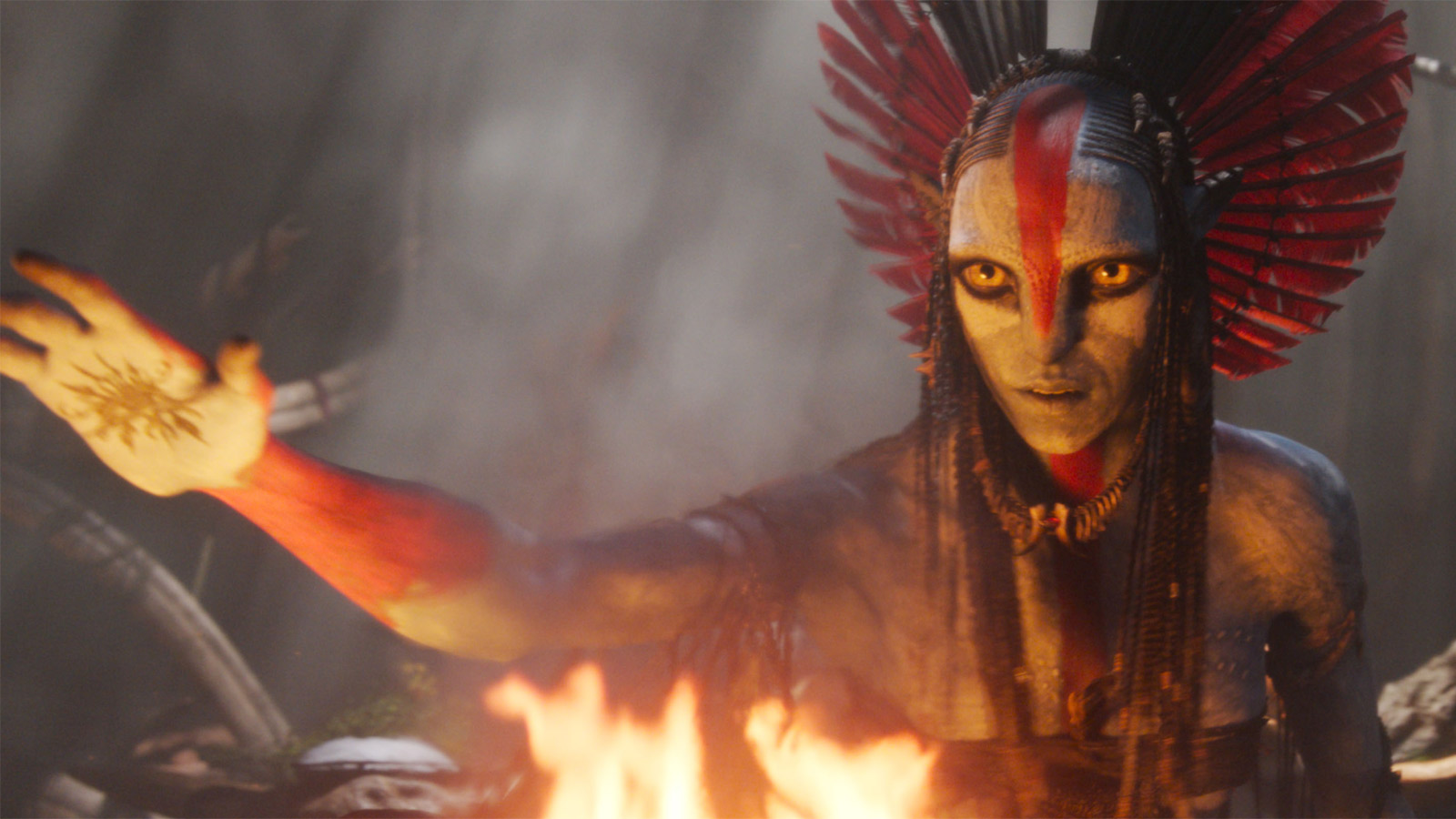
Every installment of the franchise has introduced a new clan. Avatar focused heavily on the Na'vi as a whole, while The Way of Water introduced the water-based Metkayina clan. They return in Fire and Ash, but the focal point goes to the Mangkwan clan.
The best part of Fire and Ash is Oona Chaplin's performance as Varang, which is genuinely freaky. The character is ruthless, and she's willing to do whatever it takes to accomplish her mission.
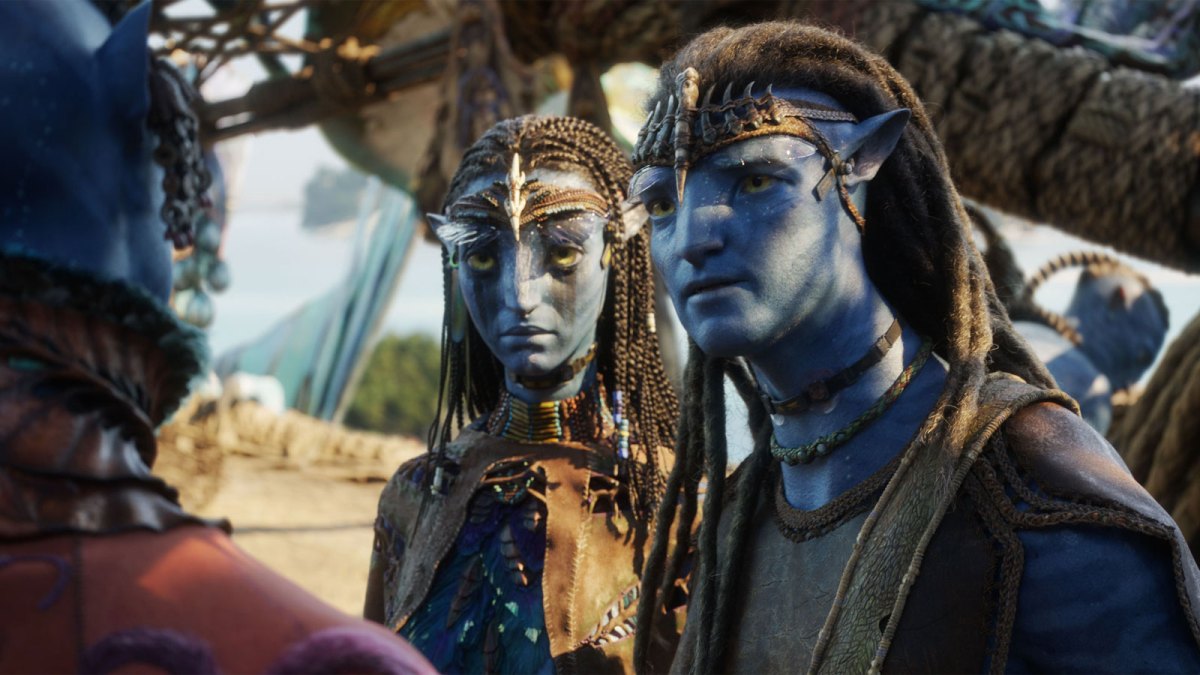
It's especially impressive given how little emotion actors in the Avatar movies are able to portray. While the technology is amazing, the Na'vi's faces hardly emote. It's a problem that has existed since the first film, but it seems to have gotten worse in the years since.
Despite these restrictions, Chaplin dives in and gives an impassioned performance. A little more backstory with her character would have been nice. She has some unique abilities that haven't been seen before. Instead of exploring them further, she gets sidelined in the second and third acts after an attention-grabbing introduction. She does have a cool drug trip sequence with Quaritch, to her credit.
James Cameron again delivers breathtaking visuals
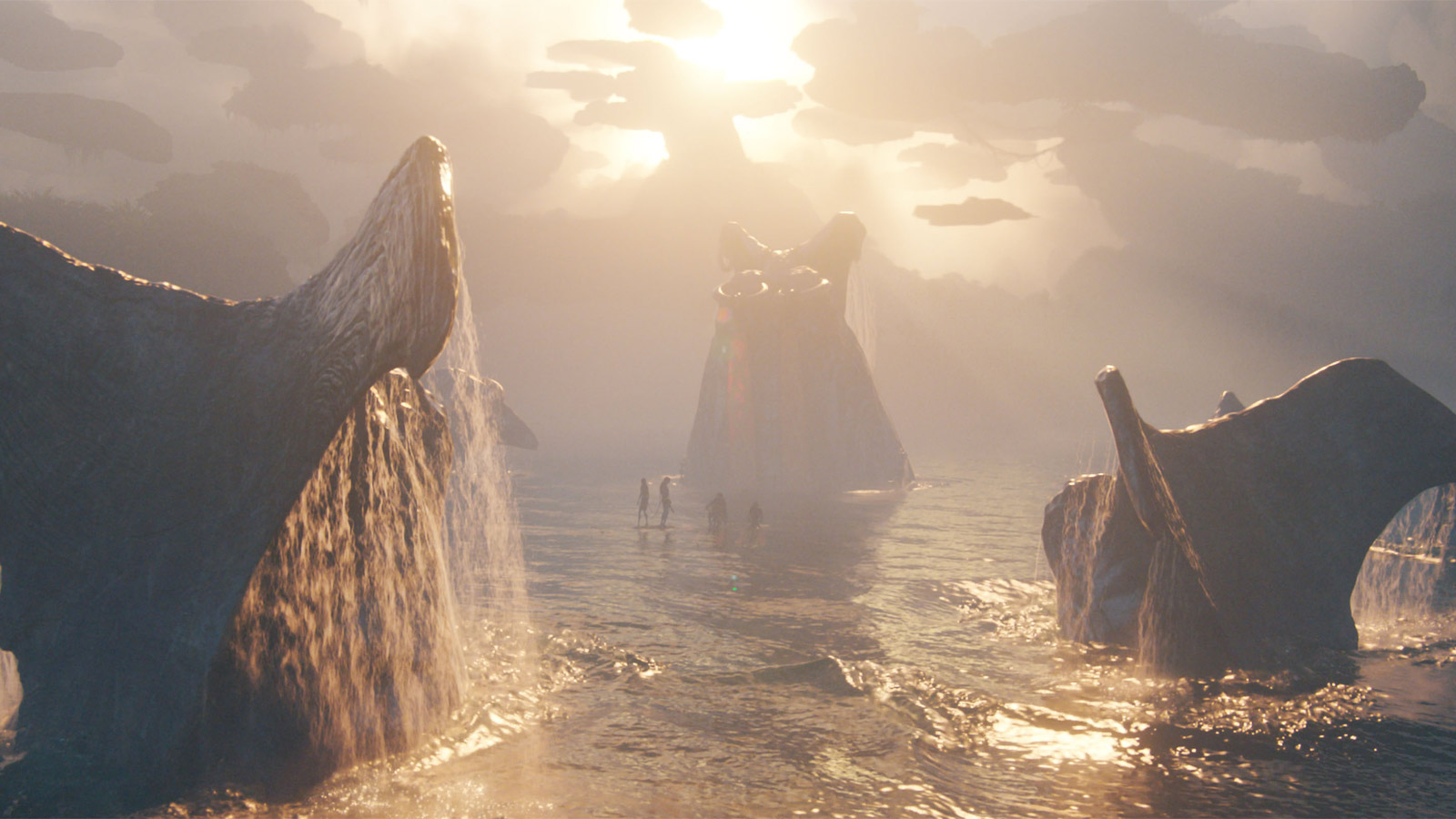
Technology has continued to evolve in the years since the first Avatar movie came out. The Way of Water was simply breathtaking, and Fire and Ash features similarly strong visuals. Sometimes, it does look like you're watching a three-hour video game cutscene; a top-of-the-line cutscene, at that, but a cutscene nonetheless.
On some level, it does feel like the appeal of these movies is the visuals. It's similar to the Sphere in Las Vegas. At this point, you could see Kenny Chesney or the Zac Brown Band, but does the music really compare to the venue, which is complete with 16K resolution wraparound LED screens? The visuals are overwhelming, and that adds to the experience more than anything.
Cameron has accomplished his mission to make a breathtaking blockbuster. Now, he needs to rediscover substance beneath the surface.
At this point, there are very few directions the Avatar series could go to bring something new to the table, at least visually. We've seen most landscapes, maybe aside from snow, and the whale-like Tulkin was the last mind-blowing new introduction in the series.
Should you watch Avatar: Fire and Ash?
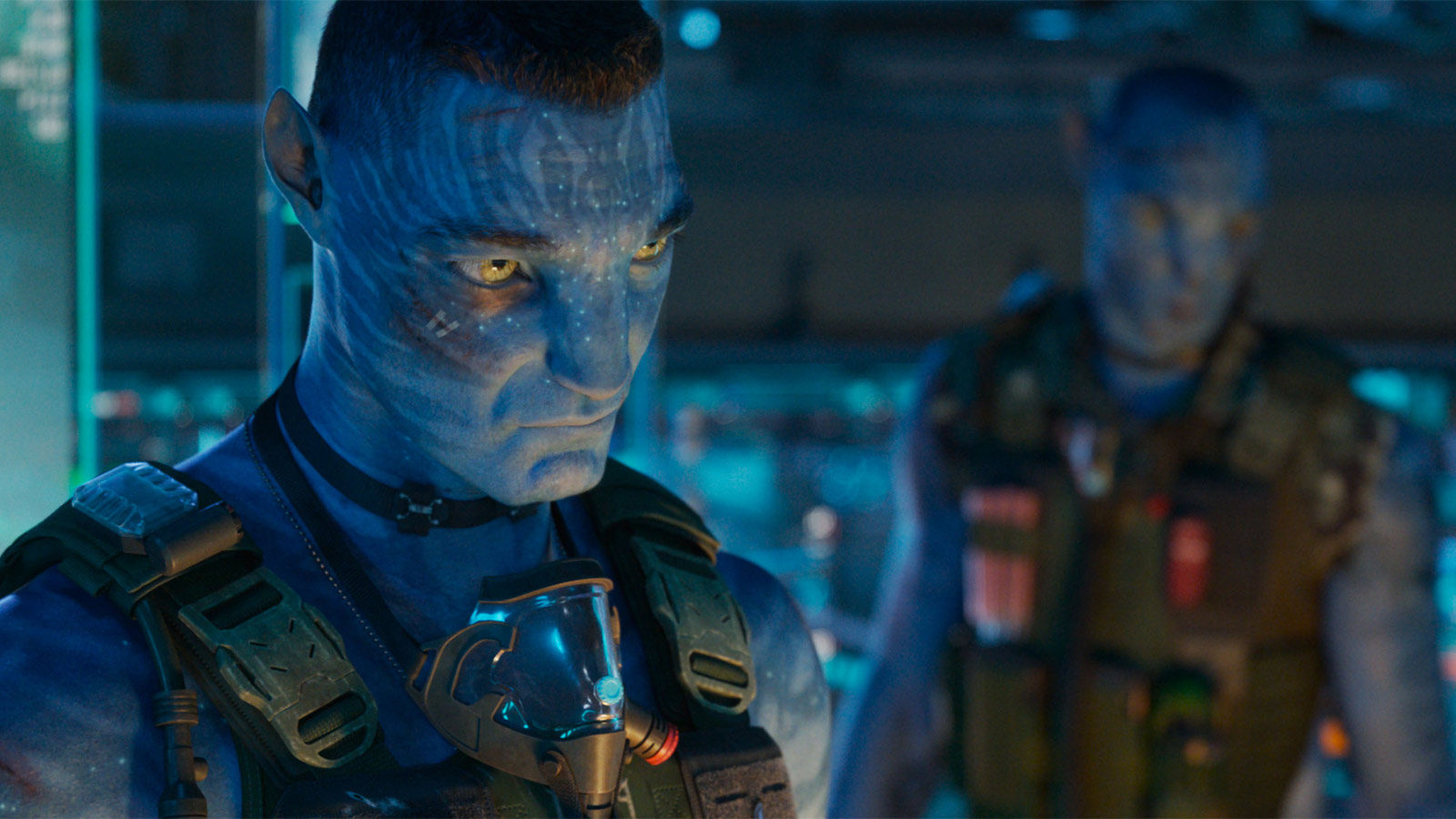
Fire and Ash culminates in an epic hour-long battle that felt big enough to end the Avatar series. Will it? It's unlikely that Cameron is done, especially with how the third movie closes out.
But Fire and Ash begs the question of how much is too much. Ultimately, it's nice not to have to wait over a decade between installments, but at what cost?
The Avatar franchise has to be the most expensive passion project in the history of filmmaking, and it'll only continue to be so if more installments are green-lit.
They just have to do a lot of work to justify this franchise's existence. Jake Sully was an interesting protagonist in 2009, but the ongoing three-movie arc about the RDA's attempted colonization of Pandora is growing stale. His family has expanded over three Avatar movies, but the roles of the characters have only marginally increased with each one.
Maybe the franchise has evolved beyond Cameron. The unimaginative script is compounded by the presence of Rick Jaffa and Amanda Silver.
They returned after co-writing The Way of Water with Cameron. With their presence, there are times when the script feels completely out of place. The most glaring example of this is when Jake can't “tell if I should hug” his wife after she saves him, not to mention their strange obsession with the word “bro.”
Grade: C
Avatar: Fire and Ash is in theaters.